3.7v 2000mah 18650 Li-Ion Battery


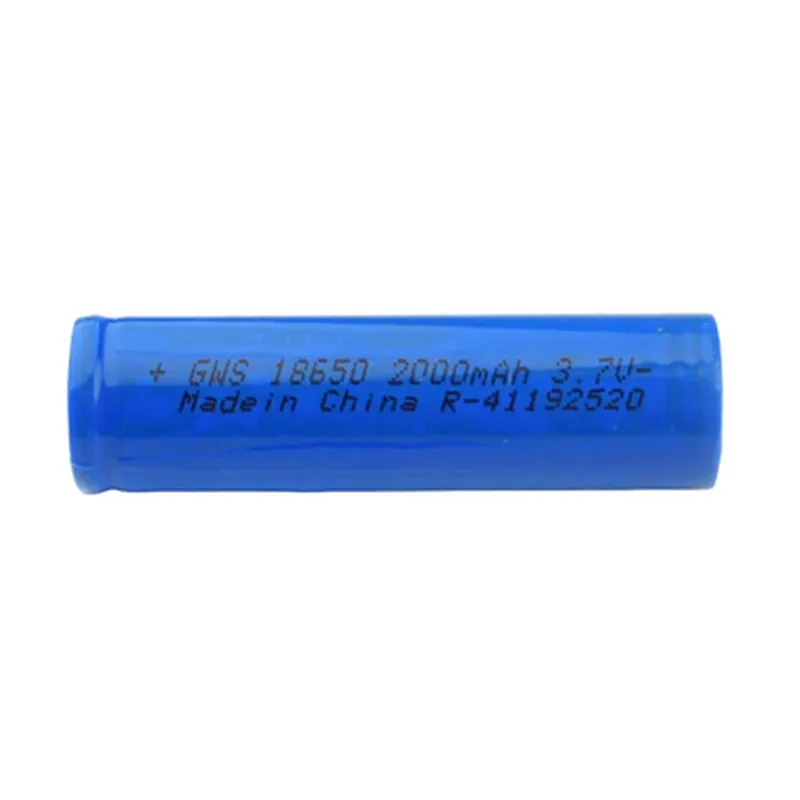
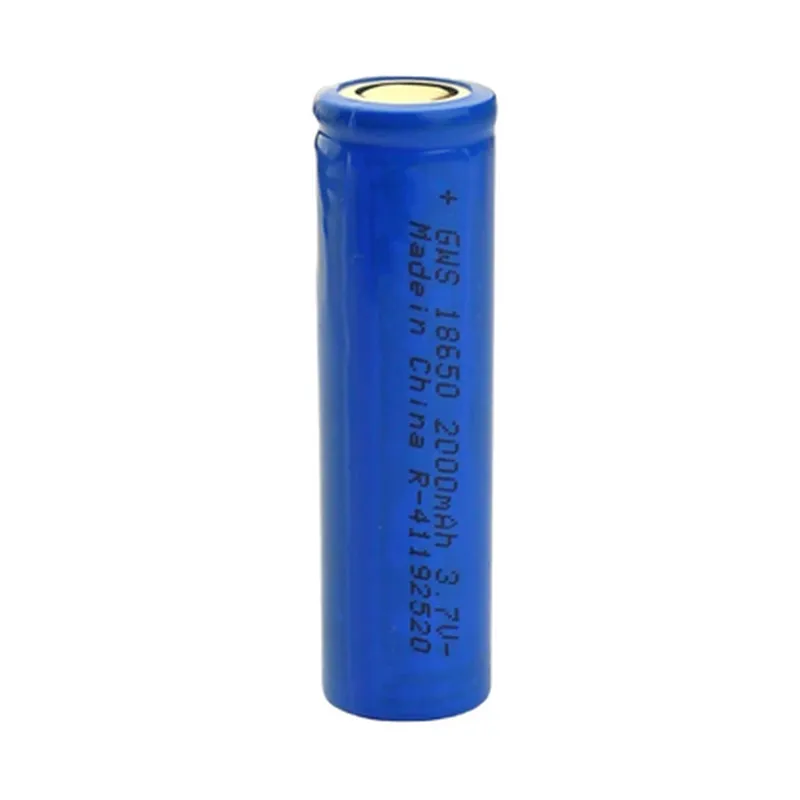
3.7v 2000mah 18650 Li-Ion Battery
The 3.7v 2000mah 18650 Li-Ion Battery is a rechargeable lithium-ion battery designed for use in a wide range of applications, including Internet of Things (IoT) devices, wireless sensors, and other portable electronics. This battery is a popular choice due to its high energy density, long cycle life, and relatively low self-discharge rate.
The primary function of this battery is to store electrical energy that can be used to power devices and systems. It consists of a lithium-ion cell with a nominal voltage of 3.7 volts and a capacity of 2000 milliampere-hours (mAh). The battery's internal chemistry allows it to charge and discharge repeatedly, making it a reliable choice for applications that require a stable power source.
18mm (diameter) x 65mm (length)
Approximately 45 grams
Standard 18650 battery terminal (positive and negative)
| The 3.7v 2000mah 18650 Li-Ion Battery is suitable for use in a variety of IoT applications, including |
Wireless sensor nodes
Wearable devices
Smart home devices
Industrial automation systems
Portable electronics
Robotics and drones
| When working with the 3.7v 2000mah 18650 Li-Ion Battery, it is essential to follow proper safety precautions to avoid damage, injury, or fire. These precautions include |
Handling the battery with care to avoid mechanical damage
Avoiding short-circuiting the battery terminals
Charging the battery according to the recommended charging method and avoiding overcharging
Storing the battery in a cool, dry place away from flammable materials
Disposing of the battery according to local regulations and guidelines
By following the guidelines and precautions outlined above, the 3.7v 2000mah 18650 Li-Ion Battery can provide reliable and efficient power for a wide range of IoT applications.
Component Documentation: 3.7V 2000mAh 18650 Li-Ion BatteryOverviewThe 3.7V 2000mAh 18650 Li-Ion Battery is a rechargeable lithium-ion battery designed for use in various IoT applications. It features a compact 18650 form factor, making it suitable for integration into small devices, including wearable electronics, robots, and other battery-powered systems.Technical SpecificationsNominal Voltage: 3.7V
Capacity: 2000mAh
Chemistry: Lithium-Ion (Li-Ion)
Form Factor: 18650
Weight: Approximately 45g
Dimensions: 18.3mm (Diameter) x 65.2mm (Length)Connecting the BatteryTo connect the 3.7V 2000mAh 18650 Li-Ion Battery, you'll need to attach it to a suitable charging circuit or a device that accepts 18650 batteries. Note that lithium-ion batteries require a protection circuit to prevent overcharge, over-discharge, and short circuits.Code Examples### Example 1: Arduino Sketch for Battery MonitoringThis example demonstrates how to use the 3.7V 2000mAh 18650 Li-Ion Battery with an Arduino board to monitor the battery voltage and capacity.```cpp
const int batteryPin = A0; // Select an analog input pin for battery voltage measurementvoid setup() {
Serial.begin(9600);
}void loop() {
int sensorValue = analogRead(batteryPin);
float batteryVoltage = (sensorValue 5.0) / 1024.0;
Serial.print("Battery Voltage: ");
Serial.print(batteryVoltage);
Serial.println(" V");// Calculate battery capacity (assuming a full charge is 4.2V and empty is 3.0V)
float batteryCapacity = ((batteryVoltage - 3.0) / 1.2) 100;
Serial.print("Battery Capacity: ");
Serial.print(batteryCapacity);
Serial.println(" %");delay(1000);
}
```### Example 2: ESP32 Code for Battery-Powered IoT DeviceThis example demonstrates how to use the 3.7V 2000mAh 18650 Li-Ion Battery with an ESP32 board to power a battery-powered IoT device that sends data to a cloud service.```cpp
#include <WiFi.h>
#include <HTTPClient.h>const char ssid = "your_wifi_ssid";
const char password = "your_wifi_password";
const char contentType = "application/json";WiFiClient client;
HTTPClient http;void setup() {
Serial.begin(115200);WiFi.begin(ssid, password);
while (WiFi.status() != WL_CONNECTED) {
delay(1000);
Serial.println("Connecting to WiFi...");
}Serial.println("Connected to WiFi");
Serial.println("Initializing HTTP client...");
}void loop() {
if (WiFi.status() == WL_CONNECTED) {
http.begin("https://your-cloud-service.com/api/data");
http.addHeader("Content-Type", contentType);int batteryVoltage = readBatteryVoltage(); // Implement a function to read the battery voltage
int batteryCapacity = calculateBatteryCapacity(batteryVoltage); // Implement a function to calculate the battery capacityString jsonData = "{""device_id"":""your_device_id"