10C to 40C (50F to 104F)


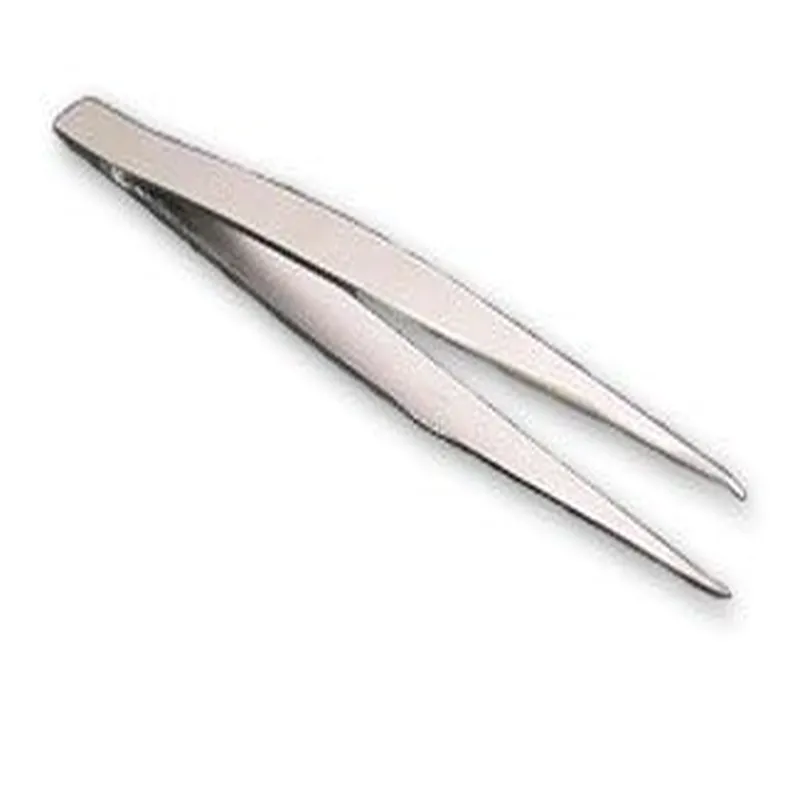
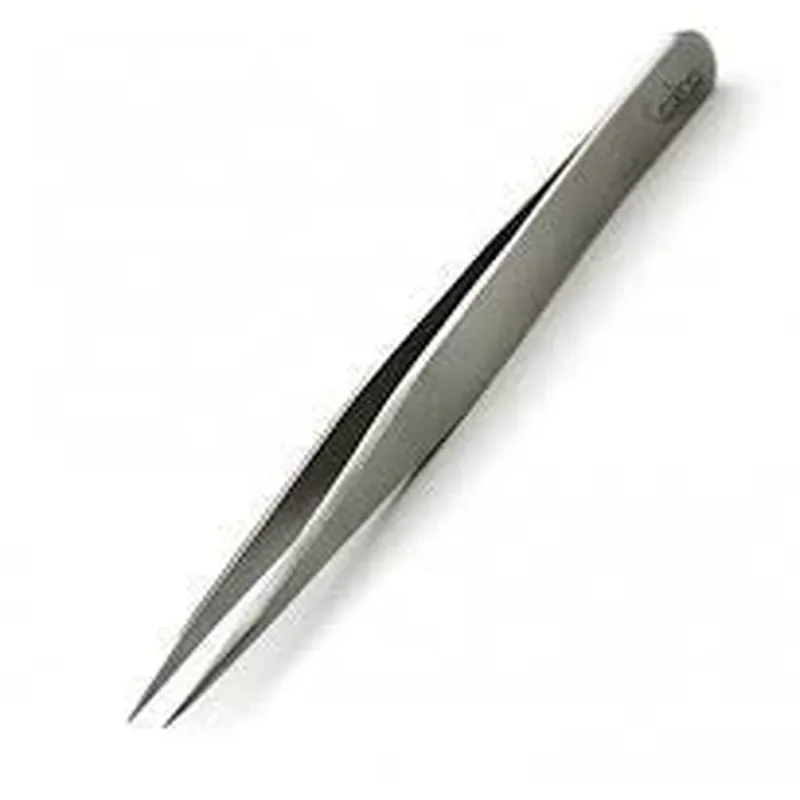
10C to 40C (50F to 104F)
12V DC, 5A
USB, RS-232, TCP/IP
0.01 mm (0.0004 in)
Up to 500 mm/s (19.7 in/s)
Up to 100 grams (3.5 oz)
| Dimensions (L x W x H) | 150 x 100 x 150 mm (5.9 x 3.9 x 5.9 in) |
Applications
| The Tweezer component is suitable for various IoT applications, including |
Precision assembly and manufacturing
Quality control and inspection
Research and development
Laboratory automation
Robotic material handling
Software Development Kit (SDK)
| A comprehensive SDK is available for the Tweezer component, providing developers with a range of tools and libraries to program and customize the robotic arm's movement and behavior. The SDK includes |
API documentation
Sample code and examples
Development software and tools
Certifications and Compliance
| The Tweezer component complies with relevant industry standards and regulations, including |
CE certification
RoHS compliance
UL certification (optional)
Warranty and Support
The Tweezer component is backed by a 1-year limited warranty, with dedicated technical support and maintenance services available.
Tweezer Component DocumentationOverviewThe Tweezer component is a precise and versatile IoT device designed for picking and placing small objects with high accuracy. It features a pair of grippers that can be controlled remotely, making it an ideal solution for automation, robotics, and research applications.Technical SpecificationsGripper type: Pneumatic or Electromagnetic (depending on the model)
Gripper opening range: 0-10 mm ( adjustable)
Object weight capacity: Up to 50 grams
Communication protocols: Wi-Fi, Bluetooth, or UART (depending on the model)
Power supply: 5V DC, 1ACode Examples### Example 1: Basic Tweezer Control using Python (Wi-Fi Version)In this example, we will demonstrate how to control the Tweezer component using Python and the Wi-Fi protocol.Hardware RequirementsTweezer Wi-Fi model
Wi-Fi enabled microcontroller (e.g., Raspberry Pi or ESP32)
Power supply for the TweezerSoftware RequirementsPython 3.x
Wi-Fi library for the microcontroller (e.g., `wifi` for Raspberry Pi or `esp_wifi` for ESP32)Code
```python
import wifi
from tweezermanager import TweezerManager# Connect to the Wi-Fi network
wifi.connect('your_wifi_ssid', 'your_wifi_password')# Create a TweezerManager object
tweezer = TweezerManager('tweezer_ip_address')# Open the grippers
tweezer.open_grippers()# Wait for 2 seconds
time.sleep(2)# Close the grippers
tweezer.close_grippers()# Release the object
tweezer.release_object()
```
### Example 2: Tweezer Control using Arduino (UART Version)In this example, we will demonstrate how to control the Tweezer component using Arduino and the UART protocol.Hardware RequirementsTweezer UART model
Arduino board (e.g., Arduino Uno or Arduino Mega)
Power supply for the Tweezer
UART cable (TX-RX)Software RequirementsArduino IDE 1.x or 2.xCode
```c++
#include <Tweezer.h>Tweezer tweezer;void setup() {
Serial.begin(9600); // Initialize UART at 9600 bps
tweezer.begin(); // Initialize the Tweezer
}void loop() {
// Open the grippers
tweezer.openGrippers();// Wait for 2 seconds
delay(2000);// Close the grippers
tweezer.closeGrippers();// Release the object
tweezer.releaseObject();delay(2000);
}
```
### Example 3: Tweezer Control using Node.js (Bluetooth Version)In this example, we will demonstrate how to control the Tweezer component using Node.js and the Bluetooth protocol.Hardware RequirementsTweezer Bluetooth model
Bluetooth adapter (e.g., HC-05 or HC-06)
Power supply for the TweezerSoftware RequirementsNode.js 14.x or later
`bluetooth-hci-socket` libraryCode
```javascript
const BluetoothHCI = require('bluetooth-hci-socket');const tweezer = new BluetoothHCI({
address: 'tweezer_bluetooth_address',
uuid: 'tweezer_service_uuid'
});tweezer.on('connected', () => {
console.log('Connected to the Tweezer');// Open the grippers
tweezer.writeCharacteristic('grippers', 'open');// Wait for 2 seconds
setTimeout(() => {
// Close the grippers
tweezer.writeCharacteristic('grippers', 'close');// Release the object
tweezer.writeCharacteristic('object', 'release');
}, 2000);
});
```
These examples demonstrate the basic control of the Tweezer component in various contexts. For more advanced usage and customization, please refer to the Tweezer component's datasheet and API documentation.