12V Police Siren


12V Police Siren
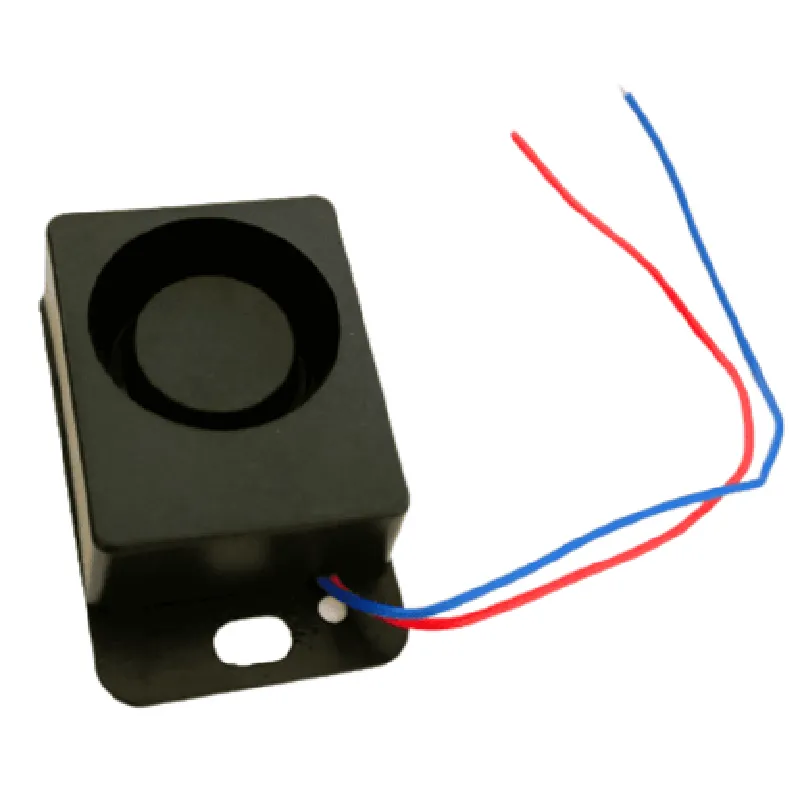
The 12V Police Siren is a high-quality, high-decibel warning device designed to mimic the sound of a police siren. This component is ideal for applications where a loud, attention-grabbing alarm is required, such as in security systems, warning devices, and automotive applications.
The 12V Police Siren is a self-contained unit that produces a loud, piercing sound when connected to a 12V DC power source. The siren's circuitry is designed to produce a high-decibel output, typically in the range of 120-130 dB, making it audible over long distances.
12V DC
2A (typical), 3A (max)
120-130 dB
2-3 kHz (typical)
-20C to 80C (-4F to 176F)
-30C to 90C (-22F to 194F)
70mm x 50mm x 30mm (2.76" x 1.97" x 1.18")
150g (5.29 oz)
| The 12V Police Siren is suitable for a wide range of applications, including |
Security systems
Warning devices
Automotive systems (e.g., alarm systems, police vehicles)
Industrial applications (e.g., warning devices, alarm systems)
Marine applications (e.g., warning devices, alarm systems)
When using the 12V Police Siren, ensure that the device is installed and used in accordance with local regulations and guidelines. It is also important to ensure that the siren is used responsibly and not used to cause unnecessary noise pollution.
12V Police Siren Component DocumentationOverviewThe 12V Police Siren is a high-decibel, high-intensity siren designed to mimic the sound of a police car siren. It is commonly used in IoT projects that require a loud, attention-grabbing alert or warning system. This component is suitable for a wide range of applications, including security systems, alarm systems, and robotics projects.Technical SpecificationsOperating Voltage: 12V DC
Current Rating: 1A
Sound Output: 120 dB
Frequency Range: 300 Hz - 1200 Hz
Dimension: 60 x 40 x 25 mmConnecting the ComponentTo use the 12V Police Siren, connect the positive leg to a 12V DC power source and the negative leg to ground. Make sure to use a suitable current-limiting resistor to prevent damage to the component.Code Examples### Example 1: Arduino Basic Siren ControlIn this example, we will use an Arduino board to control the 12V Police Siren. We will connect the siren to digital pin 9 and use the Arduino's built-in `tone()` function to generate the siren sound.```cpp
const int sirenPin = 9; // Connect the siren to digital pin 9void setup() {
pinMode(sirenPin, OUTPUT);
}void loop() {
// Generate a 1200 Hz tone for 1 second
tone(sirenPin, 1200, 1000);
delay(1000); // Wait for 1 second
noTone(sirenPin); // Turn off the siren
delay(1000); // Wait for 1 second
}
```### Example 2: Raspberry Pi Siren Control using PythonIn this example, we will use a Raspberry Pi to control the 12V Police Siren using Python. We will connect the siren to GPIO pin 17 and use the RPi.GPIO library to generate the siren sound.```python
import RPi.GPIO as GPIO
import timeGPIO.setmode(GPIO.BCM)
sirenPin = 17
GPIO.setup(sirenPin, GPIO.OUT)while True:
# Generate a 1200 Hz tone for 1 second
GPIO.output(sirenPin, GPIO.HIGH)
time.sleep(1)
GPIO.output(sirenPin, GPIO.LOW)
time.sleep(1)
```### Example 3: ESP32 Siren Control using MicroPythonIn this example, we will use an ESP32 board to control the 12V Police Siren using MicroPython. We will connect the siren to GPIO pin 16 and use the `machine` module to generate the siren sound.```python
import machine
import timesirenPin = machine.Pin(16, machine.Pin.OUT)while True:
# Generate a 1200 Hz tone for 1 second
sirenPin.value(1)
time.sleep(1)
sirenPin.value(0)
time.sleep(1)
```Note: The above code examples are for demonstration purposes only. Make sure to adjust the pin connections and code according to your specific setup and requirements. Also, be cautious when working with high-decibel sirens, as they can cause hearing damage or discomfort.