8 mm


8 mm
15 mm
24 mm
High-carbon chromium steel (rail) and aluminum alloy (bearing block)
15 kg (static), 10 kg (dynamic)
Up to 1.5 m/s
-20C to 120C
30 g
Applications
| The SC8UU Linear Bearing is suitable for a wide range of IoT applications, including |
Robotics and robotic arms
CNC machines and 3D printers
Automation systems and assembly lines
Medical equipment and devices
Security systems and surveillance cameras
Consumer electronics and appliances
Conclusion
The SC8UU Linear Bearing is a high-performance, compact linear bearing designed for precise linear motion applications. Its high-precision design, low friction, and high load capacity make it an ideal choice for a wide range of IoT projects and applications.
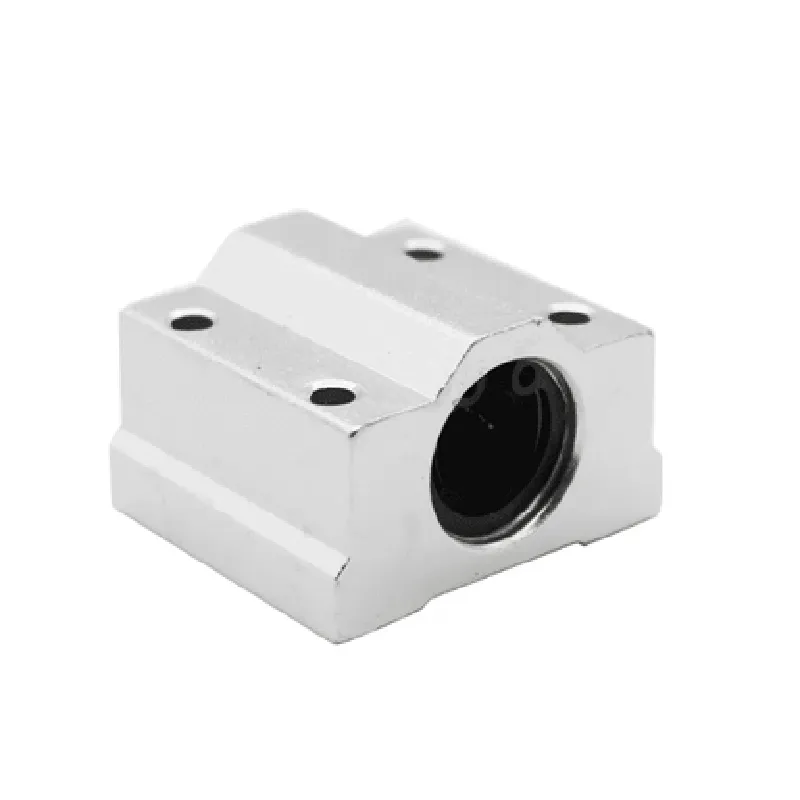
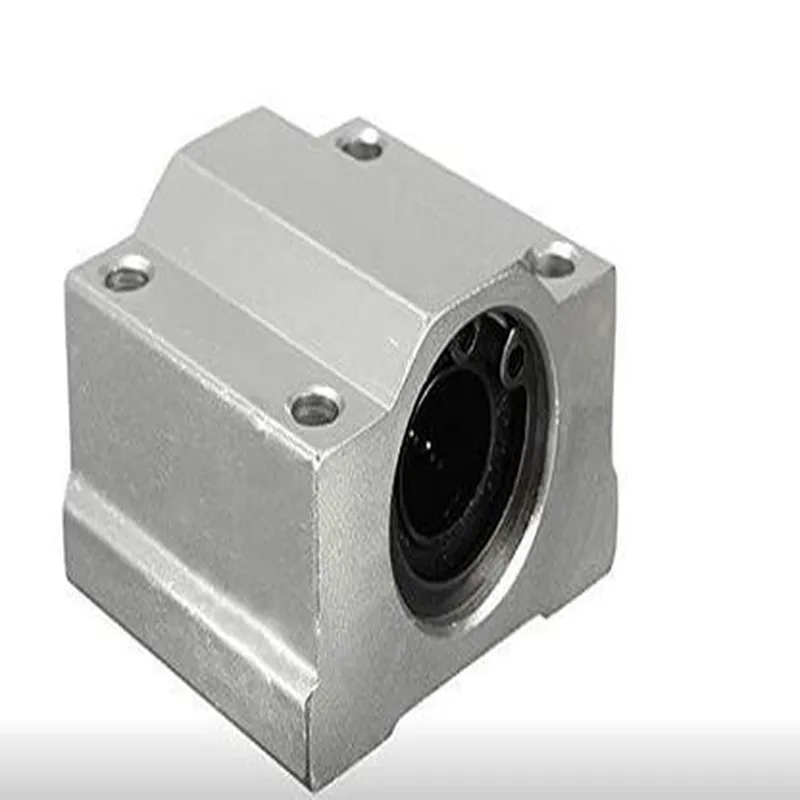
SC8UU Linear Bearing (8 mm) DocumentationOverviewThe SC8UU Linear Bearing is a type of linear motion bearing designed for smooth movement along a single axis. It features an 8 mm inner diameter, making it suitable for various robotic, automation, and precision engineering applications. This bearing provides low friction and high accuracy, allowing for reliable and efficient linear movement.Key FeaturesInner diameter: 8 mm
Outer diameter: 15 mm
Length: 24 mm
Material: Chrome steel
Load capacity: 12.5 kgf (123 N)
Operating temperature: -20C to 120CCode Examples### Example 1: Arduino Linear Actuator ControlIn this example, we'll demonstrate how to use the SC8UU Linear Bearing with an Arduino board to control a linear actuator. We'll use the bearing as a guide for the actuator's moving rod.```c++
const int stepPin = 2; // Define the step pin for the stepper motor
const int dirPin = 3; // Define the direction pin for the stepper motorvoid setup() {
pinMode(stepPin, OUTPUT);
pinMode(dirPin, OUTPUT);
}void loop() {
// Move the actuator forward
digitalWrite(dirPin, HIGH);
for (int i = 0; i < 100; i++) {
digitalWrite(stepPin, HIGH);
delayMicroseconds(500);
digitalWrite(stepPin, LOW);
delayMicroseconds(500);
}// Move the actuator backward
digitalWrite(dirPin, LOW);
for (int i = 0; i < 100; i++) {
digitalWrite(stepPin, HIGH);
delayMicroseconds(500);
digitalWrite(stepPin, LOW);
delayMicroseconds(500);
}
}
```In this example, we're using the SC8UU Linear Bearing to guide the moving rod of the linear actuator. The Arduino board controls the stepper motor, moving the rod back and forth along the bearing.### Example 2: Raspberry Pi Robotics ProjectIn this example, we'll demonstrate how to use the SC8UU Linear Bearing in a robotics project using a Raspberry Pi and Python.```python
import RPi.GPIO as GPIO
import timeGPIO.setmode(GPIO.BCM)# Define the motor pins
motor_forward = 17
motor_backward = 23GPIO.setup(motor_forward, GPIO.OUT)
GPIO.setup(motor_backward, GPIO.OUT)def move_forward():
GPIO.output(motor_forward, GPIO.HIGH)
GPIO.output(motor_backward, GPIO.LOW)
time.sleep(1)def move_backward():
GPIO.output(motor_forward, GPIO.LOW)
GPIO.output(motor_backward, GPIO.HIGH)
time.sleep(1)while True:
move_forward()
move_backward()
```In this example, we're using the SC8UU Linear Bearing as part of a robotic system controlled by a Raspberry Pi. The Python script controls the motor, moving the robot's arm or mechanism back and forth along the bearing.These examples demonstrate the versatility of the SC8UU Linear Bearing in various IoT applications, from robotics to automation and precision engineering. By providing smooth and accurate linear movement, this bearing enables developers to create complex systems with ease.