43mm Rubber Wheel Tyre for N20 Gear Motor


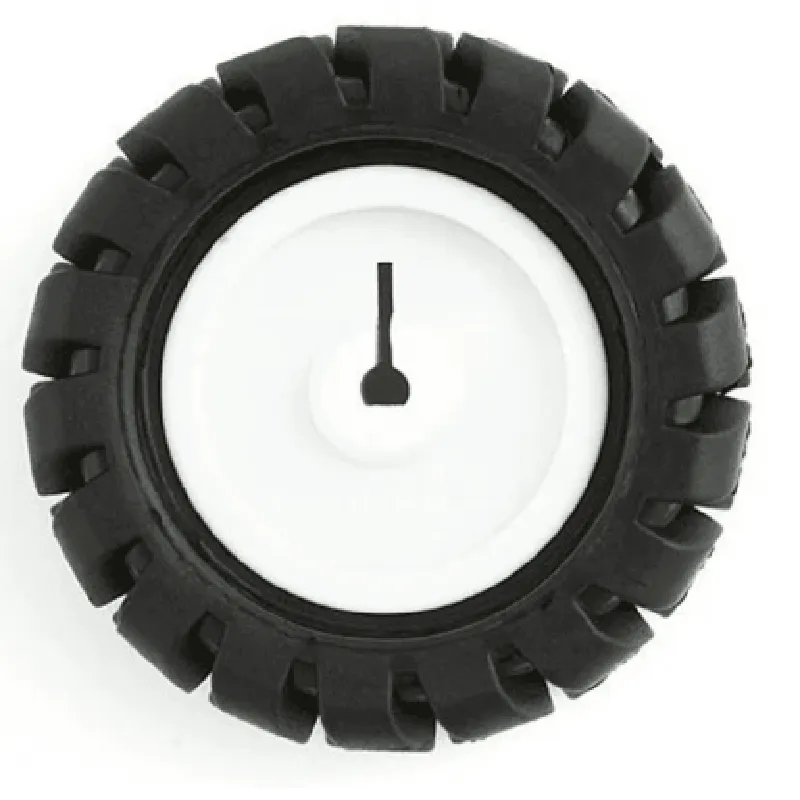
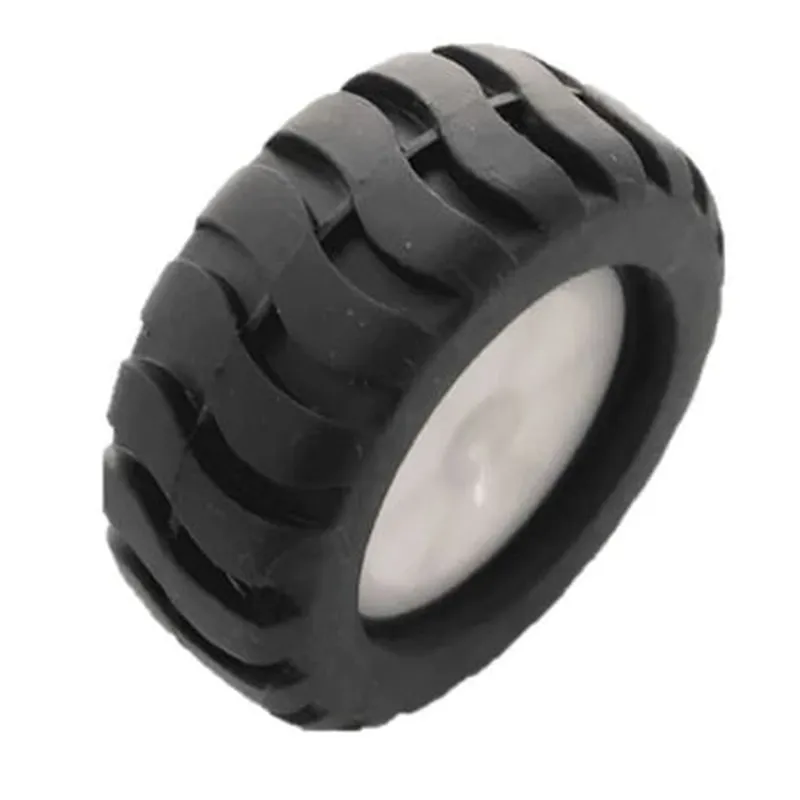
43mm Rubber Wheel Tyre for N20 Gear Motor
The 43mm Rubber Wheel Tyre is a high-quality, durable, and versatile wheel designed specifically for use with N20 gear motors in robotics, automation, and IoT applications. This tyre provides a reliable and efficient way to transfer motor power to the ground, enabling smooth and stable movement of devices and robots.
The primary function of the 43mm Rubber Wheel Tyre is to convert the rotational motion of the N20 gear motor into linear motion, allowing devices to move forward, backward, and turn. The tyre's rubber material provides traction, reducing slippage and ensuring reliable performance on various surfaces.
| The 43mm Rubber Wheel Tyre for N20 Gear Motor is suitable for a wide range of IoT applications, including |
| Parameter | Value |
| --- | --- |
| Outer Diameter | 43mm |
| Hub Diameter | 12mm |
| Material | Rubber |
| Load Capacity | 5kg |
| Speed | Moderate |
| Noise Level | Reduced |
| Installation | Easy |
The 43mm Rubber Wheel Tyre for N20 Gear Motor is a reliable and efficient component for IoT applications that require smooth and stable movement. Its durable rubber material, compact size, and easy installation make it an ideal choice for robotics, automation, and IoT devices.
Component Documentation: 43mm Rubber Wheel Tyre for N20 Gear MotorOverviewThe 43mm Rubber Wheel Tyre is designed to be used with N20 Gear Motors, providing a robust and durable wheel solution for robotics, automation, and IoT projects. This tyre is made of high-quality rubber, ensuring a smooth ride and excellent traction on various surfaces.Technical SpecificationsDiameter: 43mm
Width: 12mm
Hub diameter: 6mm
Material: Rubber
Compatible motor: N20 Gear Motor
Load capacity: 50gCode Examples### Example 1: Basic Robot Movement using ArduinoThis example demonstrates how to use the 43mm Rubber Wheel Tyre with an N20 Gear Motor and an Arduino board to create a basic robot that can move forward and backward.Hardware Requirements1 x Arduino Board (e.g., Arduino Uno)
1 x N20 Gear Motor
1 x 43mm Rubber Wheel Tyre
1 x Motor Driver (e.g., L298N)
Jumper wiresCode
```c++
const int leftMotorForward = 2;
const int leftMotorBackward = 3;
const int rightMotorForward = 4;
const int rightMotorBackward = 5;void setup() {
pinMode(leftMotorForward, OUTPUT);
pinMode(leftMotorBackward, OUTPUT);
pinMode(rightMotorForward, OUTPUT);
pinMode(rightMotorBackward, OUTPUT);
}void loop() {
// Move forward
digitalWrite(leftMotorForward, HIGH);
digitalWrite(rightMotorForward, HIGH);
delay(2000);
// Move backward
digitalWrite(leftMotorBackward, HIGH);
digitalWrite(rightMotorBackward, HIGH);
delay(2000);
// Stop
digitalWrite(leftMotorForward, LOW);
digitalWrite(leftMotorBackward, LOW);
digitalWrite(rightMotorForward, LOW);
digitalWrite(rightMotorBackward, LOW);
delay(1000);
}
```
### Example 2: Line Follower Robot using Raspberry Pi and PythonThis example demonstrates how to use the 43mm Rubber Wheel Tyre with an N20 Gear Motor and a Raspberry Pi to create a line follower robot using Python.Hardware Requirements1 x Raspberry Pi
1 x N20 Gear Motor
1 x 43mm Rubber Wheel Tyre
1 x Motor Driver (e.g., L298N)
1 x Line Follower Sensor Module
Jumper wiresCode
```python
import RPi.GPIO as GPIO
import time# Set up GPIO mode
GPIO.setmode(GPIO.BCM)# Define motor control pins
leftMotorForward = 17
leftMotorBackward = 23
rightMotorForward = 24
rightMotorBackward = 25# Set up motor control pins as outputs
GPIO.setup(leftMotorForward, GPIO.OUT)
GPIO.setup(leftMotorBackward, GPIO.OUT)
GPIO.setup(rightMotorForward, GPIO.OUT)
GPIO.setup(rightMotorBackward, GPIO.OUT)# Define line follower sensor pins
leftSensor = 18
rightSensor = 22# Set up line follower sensor pins as inputs
GPIO.setup(leftSensor, GPIO.IN)
GPIO.setup(rightSensor, GPIO.IN)while True:
# Read line follower sensor values
leftValue = GPIO.input(leftSensor)
rightValue = GPIO.input(rightSensor)# If on the line, move forward
if leftValue and rightValue:
GPIO.output(leftMotorForward, GPIO.HIGH)
GPIO.output(rightMotorForward, GPIO.HIGH)
# If off the line, turn towards the line
elif not leftValue and rightValue:
GPIO.output(leftMotorBackward, GPIO.HIGH)
GPIO.output(rightMotorForward, GPIO.HIGH)
elif leftValue and not rightValue:
GPIO.output(leftMotorForward, GPIO.HIGH)
GPIO.output(rightMotorBackward, GPIO.HIGH)
else:
# Stop if no line is detected
GPIO.output(leftMotorForward, GPIO.LOW)
GPIO.output(leftMotorBackward, GPIO.LOW)
GPIO.output(rightMotorForward, GPIO.LOW)
GPIO.output(rightMotorBackward, GPIO.LOW)
time.sleep(0.05)
```
These examples demonstrate the basic usage of the 43mm Rubber Wheel Tyre with an N20 Gear Motor in different contexts. You can modify and extend these examples to suit your specific project requirements.