High-carbon stainless steel


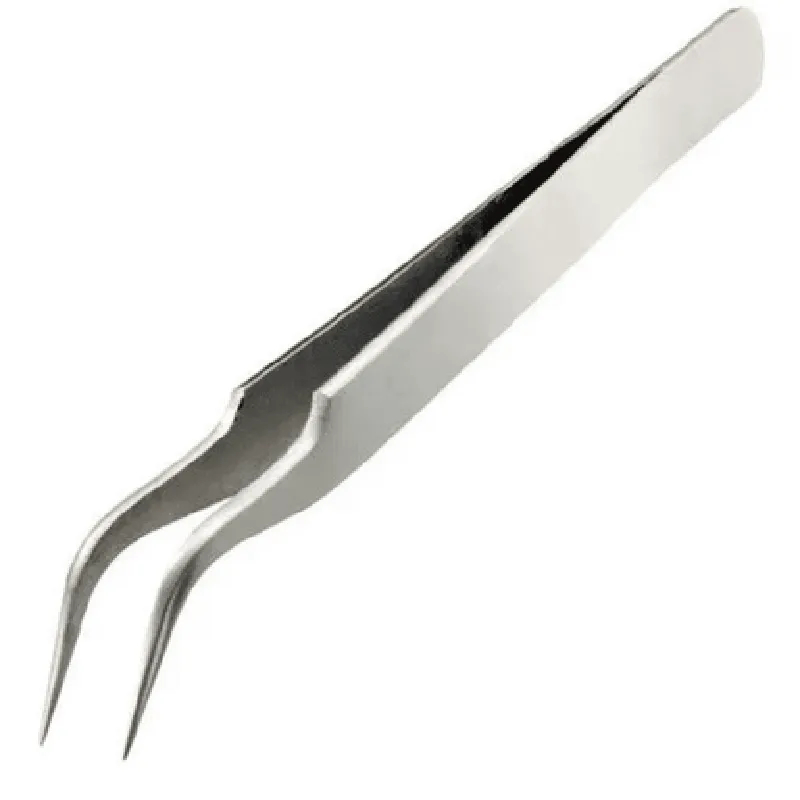
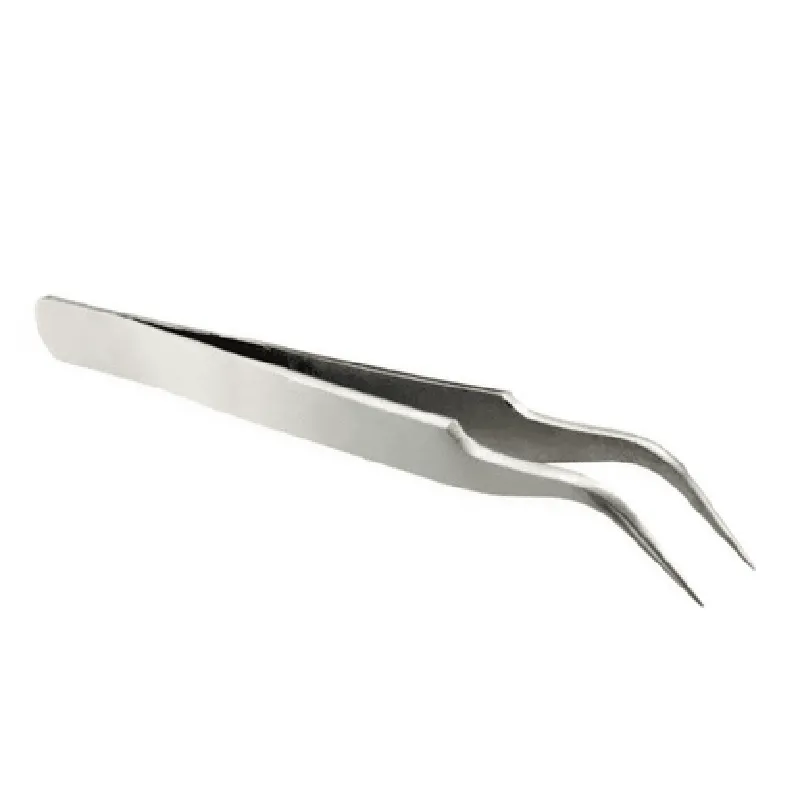
High-carbon stainless steel
Cross-shaped
0.2 mm x 0.2 mm
120 mm (4.7 in)
15 mm (0.6 in)
50 g (1.8 oz)
-20C to 80C (-4F to 176F)
Applications
| The Lucky 7A Cross Tweezer is suitable for a wide range of IoT and SMT applications, including |
SMD component placement and inspection
Wire and connector handling
PCB (Printed Circuit Board) assembly and repair
IoT device prototyping and development
Electronics hobbyist projects
Conclusion
The Lucky 7A Cross Tweezer is a precision tool designed to meet the demands of modern IoT and SMT applications. Its unique features, high-quality construction, and ergonomic design make it an essential tool for professionals and hobbyists alike.
Lucky 7A Cross Tweezer DocumentationThe Lucky 7A Cross Tweezer is a high-precision, ergonomic tweezers designed for various IoT applications, including PCB assembly, electronics repair, and precision engineering. This documentation provides an overview of the component's features, specifications, and code examples to help you integrate it into your IoT projects.Features and SpecificationsHigh-carbon stainless steel tips for durability and precision
Ergonomic design for comfortable grip and reduced fatigue
Adjustable tension control for customized gripping force
Insulated handles for safety and protection
Dimensions: 115mm (L) x 20mm (W) x 15mm (H)
Weight: 50g
Operating Temperature: -20C to 80CCode Examples### Example 1: Using the Lucky 7A Cross Tweezer with an Arduino Board for Automated PCB AssemblyIn this example, we'll demonstrate how to use the Lucky 7A Cross Tweezer with an Arduino Board to automate the assembly of small electronic components on a PCB.Hardware Requirements:Arduino Board (e.g., Arduino Uno or Arduino Mega)
Lucky 7A Cross Tweezer
PCB with mounting holes for the tweezers
Small electronic components (e.g., resistors, capacitors)Software Requirements:Arduino IDE (version 1.8.10 or later)Code:
```c
const int tweezersPin = 9; // Pin for controlling the tweezers
const int componentPin = 10; // Pin for detecting component presencevoid setup() {
pinMode(tweezersPin, OUTPUT);
pinMode(componentPin, INPUT);
}void loop() {
// Move the tweezers to the component position
digitalWrite(tweezersPin, HIGH);
delay(1000);// Check if the component is present
if (digitalRead(componentPin) == HIGH) {
// Pick up the component using the tweezers
digitalWrite(tweezersPin, LOW);
delay(500);
digitalWrite(tweezersPin, HIGH);
delay(1000);
} else {
// No component present, move to next position
digitalWrite(tweezersPin, LOW);
delay(1000);
}
}
```
### Example 2: Using the Lucky 7A Cross Tweezer with a Raspberry Pi for Computer Vision-Based Electronics RepairIn this example, we'll demonstrate how to use the Lucky 7A Cross Tweezer with a Raspberry Pi to create a computer vision-based system for electronics repair.Hardware Requirements:Raspberry Pi (e.g., Raspberry Pi 4)
Lucky 7A Cross Tweezer
Camera module (e.g., Raspberry Pi Camera v2)
PCB with broken components
Repair station with a microscope or magnifying glassSoftware Requirements:Raspbian OS (version 10 or later)
OpenCV library (version 4.5.1 or later)Code:
```python
import cv2
import numpy as np# Set up the camera
cap = cv2.VideoCapture(0)while True:
# Capture a frame from the camera
ret, frame = cap.read()# Convert the frame to grayscale
gray = cv2.cvtColor(frame, cv2.COLOR_BGR2GRAY)# Apply thresholding to detect the component
_, thresh = cv2.threshold(gray, 0, 255, cv2.THRESH_BINARY_INV + cv2.THRESH_OTSU)# Find the contours of the component
contours, _ = cv2.findContours(thresh, cv2.RETR_EXTERNAL, cv2.CHAIN_APPROX_SIMPLE)for contour in contours:
# Calculate the area of the contour
area = cv2.contourArea(contour)# Check if the area is within a certain range (e.g., 100-500 pixels)
if 100 < area < 500:
# Move the tweezers to the component position
# (use a servo motor or a stepper motor to control the tweezers)
print("Component detected! Moving tweezers to position...")# Pick up the component using the tweezers
# (use a servo motor or a stepper motor to control the tweezers)
print("Picking up component...")# Display the output
cv2.imshow('Frame', frame)
if cv2.waitKey(1) & 0xFF == ord('q'):
breakcap.release()
cv2.destroyAllWindows()
```
These examples demonstrate the versatility of the Lucky 7A Cross Tweezer in various IoT applications. By combining the tweezers with sensors, actuators, and microcontrollers, you can create innovative solutions for electronics assembly, repair, and more.