

Stufin
Home Quick Cart Profile

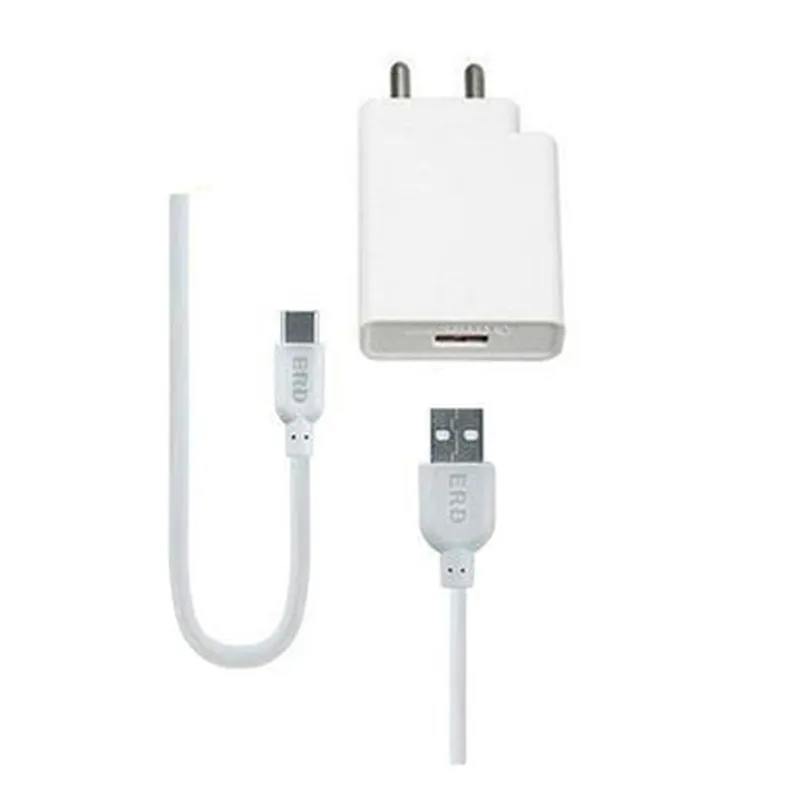
5V 3A ERD Adapter with Type C Cable

Buy Now on Stufin

Component Documentation

5V 3A ERD Adapter with Type C Cable

Overview

The 5V 3A ERD Adapter with Type C Cable is a high-performance power adapter designed for efficient and reliable power delivery to a wide range of devices. This adapter is equipped with advanced features and robust construction, making it an ideal choice for powering IoT devices, smartphones, tablets, and other portable electronics.

Functionality

The primary function of the 5V 3A ERD Adapter with Type C Cable is to provide a stable and efficient power supply to devices that require 5V and up to 3A of current. This adapter is designed to operate within a wide range of input voltages, making it suitable for use in various environments and regions.

Key Features

  • Power Rating: 5V, 3A (15W)
  • InputVoltage: 100-240V AC, 50-60Hz
  • OutputVoltage: 5V DC
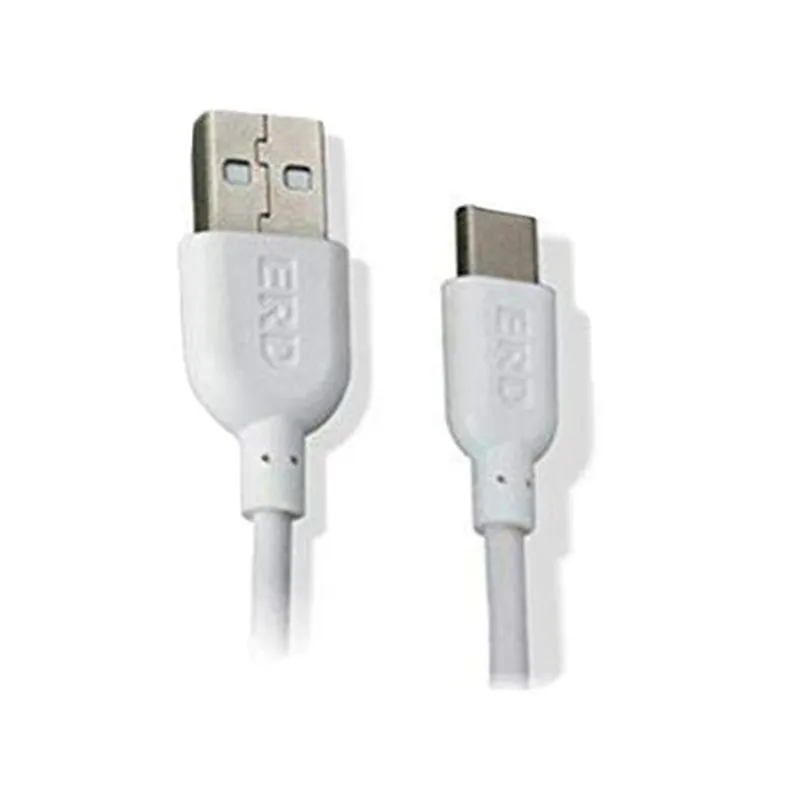
  • Type-C Cable: Reversible, durable, and compact design for easy connection and disconnection
  • ERD (Efficient Rectifier and Driver) Technology: Ensures high-efficiency power conversion, reducing energy losses and heat generation
  • Overvoltage Protection (OVP) and Short-Circuit Protection (SCP): Built-in protection mechanisms to prevent damage to devices and the adapter itself
  • Compact and Lightweight Design: Ideal for travel, daily use, and IoT applications where space is limited
  • Certifications: Complies with international safety standards, including UL, CE, and RoHS

Technical Specifications

Efficiency

85%

Ripple and Noise

100mV

Operating Temperature

0C to 40C

Storage Temperature

-20C to 60C

Humidity

20% to 80% RH

Applications

  • IoT Devices: Perfect for powering IoT devices, such as sensor nodes, gateways, and other compact devices
  • Smartphones and Tablets: Compatible with most smartphones and tablets, including those with quick-charge capabilities
  • Portable Electronics: Suitable for powering portable speakers, headphones, and other devices that require 5V and up to 3A of current

Packaging and Accessories

Adapter

5V 3A ERD Adapter with Type C Cable

Cable Length

1.5 meters (4.92 feet)

Color

Black

Packaging

Compact, eco-friendly box with protective foam insert

Warranty and Support

Warranty

1-year limited warranty

Technical Support

Comprehensive documentation, email support, and online resources available

Ordering Information

Part Number

ERD-5V3A-TYPEC

MOQ (Minimum Order Quantity)100 pieces

Lead Time

2-4 weeks

By providing a reliable and efficient power supply, the 5V 3A ERD Adapter with Type C Cable is an excellent choice for a wide range of applications, from IoT devices to portable electronics.

Pin Configuration

  • 5V 3A ERD Adapter with Type C Cable
  • The 5V 3A ERD Adapter with Type C Cable is a compact power adapter designed for various IoT devices, sensors, and microcontrollers. It provides a stable 5V DC output with a maximum current rating of 3A. The adapter comes with a Type C cable, making it convenient for powering devices with Type C ports.
  • Type C Cable Pinout:
  • The Type C cable has a reversible connector with 24 pins, offering a faster and more versatile connection. Here's a breakdown of the pins:
  • GND (Ground) Pins:
  • Pin 1: GND
  • Pin 12: GND
  • Pin 18: GND
  • Pin 24: GND
  • These pins provide a common ground connection for the adapter and the device being powered.
  • VBus (Power) Pins:
  • Pin 2: VBus (5V)
  • Pin 7: VBus (5V)
  • Pin 13: VBus (5V)
  • Pin 19: VBus (5V)
  • These pins carry the 5V DC output from the adapter to the device.
  • Configuration Channel (CC) Pins:
  • Pin 5: CC1
  • Pin 17: CC2
  • These pins are used for configuration and negotiation of power delivery and other alternate modes.
  • Data Pins:
  • Pin 3: RX (Receive) - Not connected in this adapter
  • Pin 6: TX (Transmit) - Not connected in this adapter
  • Pin 8: RX (Receive) - Not connected in this adapter
  • Pin 11: TX (Transmit) - Not connected in this adapter
  • Pin 14: RX (Receive) - Not connected in this adapter
  • Pin 16: TX (Transmit) - Not connected in this adapter
  • Pin 20: RX (Receive) - Not connected in this adapter
  • Pin 23: TX (Transmit) - Not connected in this adapter
  • These pins are not connected in this adapter, as it is primarily designed for power delivery and does not support data transmission.
  • Shielding Pins:
  • Pin 4: Shield
  • Pin 9: Shield
  • Pin 15: Shield
  • Pin 21: Shield
  • Pin 22: Shield
  • These pins provide shielding and help to reduce electromagnetic interference (EMI).
  • Connecting the Pins:
  • To connect the pins:
  • 1. Connect the GND pins (1, 12, 18, and 24) to the ground terminal of your device.
  • 2. Connect the VBus pins (2, 7, 13, and 19) to the 5V power input of your device.
  • 3. Ensure the CC pins (5 and 17) are not connected to any pins on your device, as they are used for configuration and negotiation of power delivery.
  • Important Notes:
  • The ERD adapter is designed to provide a stable 5V output with a maximum current rating of 3A. Exceeding this rating may damage the adapter or the connected device.
  • Ensure the device being powered is compatible with the 5V output and 3A current rating.
  • Always follow proper safety precautions when working with electrical components and power adapters.
  • By following these guidelines, you can safely and effectively use the 5V 3A ERD Adapter with Type C Cable to power your IoT devices, sensors, and microcontrollers.

Code Examples

Component Documentation: 5V 3A ERD Adapter with Type C Cable
Overview
The 5V 3A ERD Adapter with Type C Cable is a compact and efficient power adapter designed for IoT devices, providing a reliable and safe power supply. This adapter is equipped with a USB Type-C connector and can deliver up to 3A of current at 5V, making it suitable for a wide range of applications.
Features
Input: 100-240V AC, 50-60Hz
 Output: 5V DC, 3A
 USB Type-C connector
 ERD (Efficient Rectifier Device) technology for high efficiency and low heat generation
 Short-circuit protection and over-voltage protection
 Compact design and lightweight
Technical Specifications
Operating Temperature: -20C to 40C
 Storage Temperature: -40C to 80C
 Humidity: 5% to 90% RH
 Dimensions: 40mm x 20mm x 15mm
 Weight: 30g
Code Examples
### Example 1: Powering a Raspberry Pi 4 with Python
In this example, we will demonstrate how to use the 5V 3A ERD Adapter to power a Raspberry Pi 4 and control its GPIO pins using Python.
Hardware Required
Raspberry Pi 4
 5V 3A ERD Adapter with Type C Cable
 Breadboard and jumper wires
Software Required
Raspbian OS
 Python 3.x
Code
```python
import RPi.GPIO as GPIO
import time
# Set up GPIO mode
GPIO.setmode(GPIO.BCM)
# Define GPIO pin for LED
LED_PIN = 17
# Set up LED pin as output
GPIO.setup(LED_PIN, GPIO.OUT)
while True:
    # Turn on LED
    GPIO.output(LED_PIN, GPIO.HIGH)
    time.sleep(1)
    
    # Turn off LED
    GPIO.output(LED_PIN, GPIO.LOW)
    time.sleep(1)
```
Explanation
In this example, we use the 5V 3A ERD Adapter to power the Raspberry Pi 4. We then use Python to control the GPIO pins and toggle an LED on and off.
### Example 2: Charging a Li-ion Battery with an Arduino Board
In this example, we will demonstrate how to use the 5V 3A ERD Adapter to charge a Li-ion battery using an Arduino Board.
Hardware Required
Arduino Board (e.g., Arduino Uno)
 5V 3A ERD Adapter with Type C Cable
 Li-ion battery
 Breadboard and jumper wires
Software Required
Arduino IDE
Code
```c++
const int chargePin = 13;  // Pin for charging indicator
void setup() {
  pinMode(chargePin, OUTPUT);
}
void loop() {
  // Charge battery
  digitalWrite(chargePin, HIGH);
  delay(1000);
  
  // Stop charging
  digitalWrite(chargePin, LOW);
  delay(1000);
}
```
Explanation
In this example, we use the 5V 3A ERD Adapter to charge a Li-ion battery. We connect the adapter to the Arduino Board and use the digital output pin to control the charging process. The charging indicator pin is toggled on and off to indicate the charging status.
Note: These code examples are for demonstration purposes only and may require modifications to suit your specific project requirements. Ensure you follow proper safety precautions when working with electronics.