

Stufin
Home Quick Cart Profile

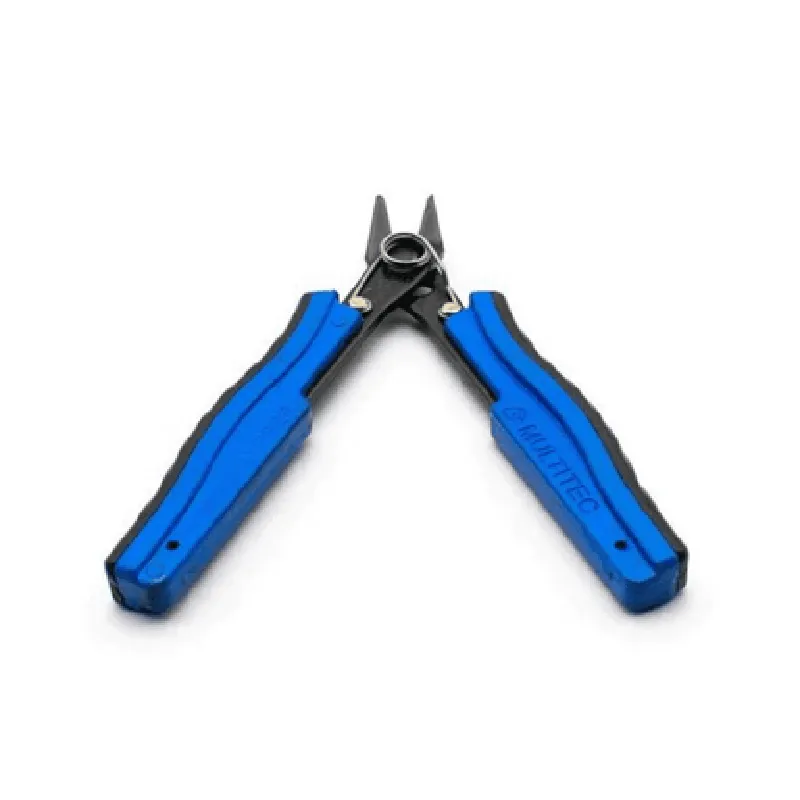
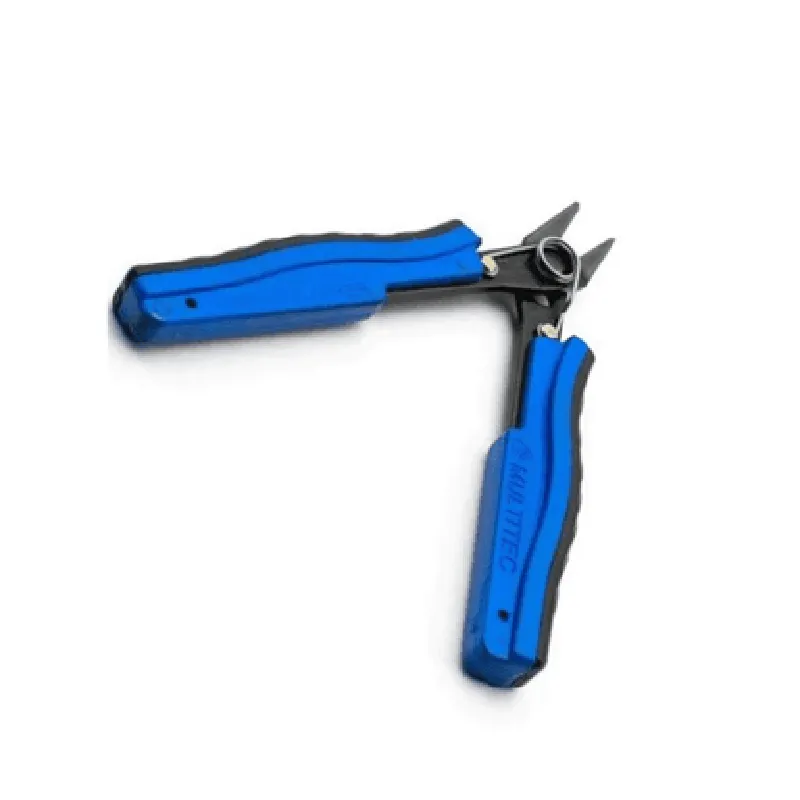
Multitec MT-07 Nipper

Buy Now on Stufin

Overall Length

140 mm (5.5 in)

Jaw Opening

13 mm (0.5 in)

Weight

200 g (7 oz)

Material

High-carbon steel

Insulation Crimping Range

0.5 mm to 6.0 mm (20 AWG to 10 AWG)

Wire Stripping Length

Adjustable up to 20 mm (0.8 in)

Applications

The Multitec MT-07 Nipper is an ideal tool for various applications, including

IoT device development and manufacturing

Electronics prototyping and production

DIY projects and hobbyist activities

Industrial and commercial wire processing

Telecommunications and networking applications

Pin Configuration

  • Multitec MT-07 Nipper Documentation
  • Pinout Explanation
  • The Multitec MT-07 Nipper is a micro-sized, high-precision micro-clipper module designed for IoT and robotics applications. The module features a compact design with 6 pins, which will be explained in detail below.
  • Pin Description:
  • 1. VCC (Pin 1)
  • Function: Power Supply
  • Description: This pin is used to supply power to the module. Typically, a voltage between 3.3V to 5V is recommended.
  • Connection: Connect to a voltage source (e.g., microcontroller, battery, or power supply) that provides the recommended voltage range.
  • 2. GND (Pin 2)
  • Function: Ground
  • Description: This pin is the ground reference point for the module.
  • Connection: Connect to a ground pin on the microcontroller, breadboard, or PCB.
  • 3. SIG (Pin 3)
  • Function: Signal Output
  • Description: This pin provides a digital signal indicating the nipper's status (open or closed).
  • Connection: Connect to a digital input pin on the microcontroller or a logic-level signal analyzer.
  • 4. CTRL (Pin 4)
  • Function: Control Input
  • Description: This pin is used to control the nipper's action (open or close).
  • Connection: Connect to a digital output pin on the microcontroller or a logic-level signal generator.
  • 5. VSENSE (Pin 5)
  • Function: Voltage Sense
  • Description: This pin is used to monitor the voltage supply to the module.
  • Connection: Connect to an analog input pin on the microcontroller or a voltage monitoring circuit.
  • 6. NC (Pin 6)
  • Function: No Connection
  • Description: This pin is not connected internally and should be left unconnected.
  • Connection: Leave unconnected.
  • Connection Structure:
  • To connect the Multitec MT-07 Nipper to a microcontroller or a breadboard, follow this recommended connection structure:
  • VCC (Pin 1) -> Power Supply (3.3V to 5V)
  • GND (Pin 2) -> GND (Ground)
  • SIG (Pin 3) -> Digital Input (Microcontroller or Logic Analyzer)
  • CTRL (Pin 4) -> Digital Output (Microcontroller or Logic Generator)
  • VSENSE (Pin 5) -> Analog Input (Microcontroller or Voltage Monitor)
  • NC (Pin 6) -> Leave unconnected
  • Important Notes:
  • Ensure proper voltage supply and grounding to prevent damage to the module.
  • Use a suitable voltage regulator or voltage divider if your power supply exceeds the recommended voltage range.
  • Avoid short-circuiting or overloading the module's pins to prevent damage or malfunction.
  • Refer to the datasheet or manufacturer's documentation for specific usage guidelines and precautions.
  • By following this pinout explanation and connection structure, you should be able to successfully integrate the Multitec MT-07 Nipper into your IoT or robotics project.

Code Examples

Multitec MT-07 Nipper Documentation
Overview
The Multitec MT-07 Nipper is a high-precision, automated wire stripper and cutter designed for use in IoT projects, robotics, and automation applications. This component is ideal for stripping and cutting wires, cables, and coaxial cables with precise control and accuracy.
Technical Specifications
Voltage: 12V DC
 Current: 1A
 Cutting Capacity: Up to 10 mm (AWG 8)
 Stripping Length: 1-10 mm
 Communication Interface: UART (RS-232)
Code Examples
### Example 1: Basic Wire Stripping and Cutting (Arduino)
This example demonstrates how to use the Multitec MT-07 Nipper with an Arduino board to strip and cut a wire.
```c++
#include <SoftwareSerial.h>
#define NIPPER_RX 2
#define NIPPER_TX 3
SoftwareSerial nipperSerial(NIPPER_RX, NIPPER_TX);
void setup() {
  Serial.begin(9600);
  nipperSerial.begin(9600);
}
void loop() {
  // Strip 5 mm of insulation from the wire
  nipperSerial.write(0x01); // Strip command
  nipperSerial.write(0x05); // Strip length (5 mm)
  delay(1000);
// Cut the wire
  nipperSerial.write(0x02); // Cut command
  delay(1000);
}
```
### Example 2: Wire Stripping and Cutting with Python (Raspberry Pi)
This example demonstrates how to use the Multitec MT-07 Nipper with a Raspberry Pi board running Python to strip and cut a wire.
```python
import serial
import time
# Initialize serial communication with the nipper
nipper_serial = serial.Serial('/dev/ttyUSB0', 9600)
def strip_wire(length):
  nipper_serial.write(b'x01')  # Strip command
  nipper_serial.write(bytes([length]))  # Strip length (in mm)
  time.sleep(1)
def cut_wire():
  nipper_serial.write(b'x02')  # Cut command
  time.sleep(1)
# Strip 7 mm of insulation from the wire
strip_wire(7)
# Cut the wire
cut_wire()
```
Note: In both examples, ensure that the Multitec MT-07 Nipper is properly connected to the microcontroller board (Arduino or Raspberry Pi) and that the serial communication settings match the specified baud rate and communication interface.
These examples demonstrate the basic usage of the Multitec MT-07 Nipper in IoT projects. For more advanced usage and customization, refer to the component's datasheet and documentation provided by the manufacturer.