3V CR2032 Lithium Coin Battery


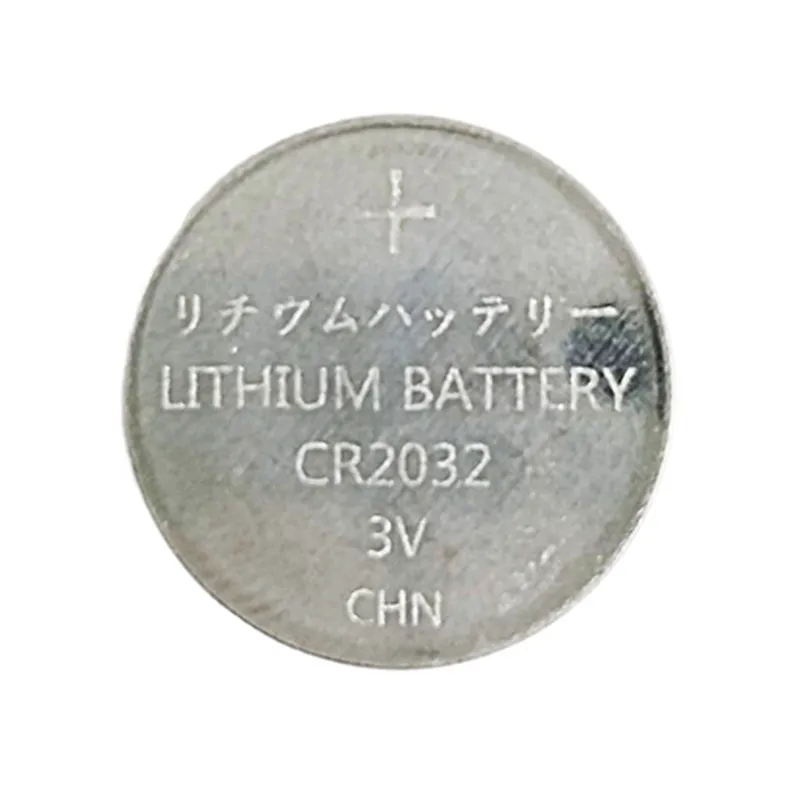
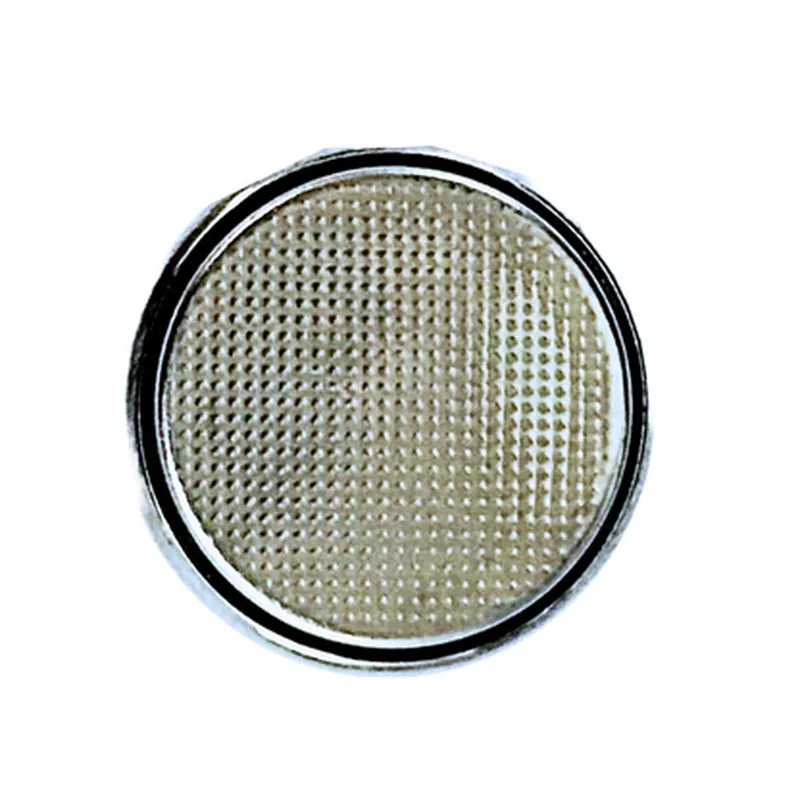
3V CR2032 Lithium Coin Battery
The 3V CR2032 Lithium Coin Battery is a small, non-rechargeable battery designed for use in a variety of low-power devices, including IoT devices, smart home systems, and other applications where a compact and reliable power source is required.
The primary function of the 3V CR2032 Lithium Coin Battery is to provide a stable and reliable source of power to devices that require a small amount of energy. The battery is designed to operate within a specific voltage range, providing a nominal voltage of 3V and a maximum capacity of approximately 220mAh.
20mm
3.2mm
approximately 2.5 grams
Positive terminal is marked with a "+" sign, and the negative terminal is marked with a "-" sign.
| The 3V CR2032 Lithium Coin Battery is suitable for use in a variety of applications, including |
IoT devices
Smart home systems
Wearable devices
Medical devices
Automotive systems
Consumer electronics
Industrial control systems
| When handling the 3V CR2032 Lithium Coin Battery, it is essential to follow proper safety precautions to avoid damage or injury. These precautions include |
Handling the battery with clean, dry hands or gloves
Avoiding short-circuiting the battery
Storing the battery in a cool, dry place
Avoiding exposure to high temperatures or open flames
Following proper disposal procedures for used batteries
| The 3V CR2032 Lithium Coin Battery complies with various regulatory requirements, including |
RoHS (Restriction of Hazardous Substances) compliant
REACH (Registration, Evaluation, Authorization, and Restriction of Chemicals) compliant
UL (Underwriters Laboratories) recognized
CE (Conformit Europene) marked
By following proper safety precautions and using the 3V CR2032 Lithium Coin Battery in accordance with its intended use, you can ensure reliable and efficient operation of your devices.
3V CR2032 Lithium Coin Battery DocumentationOverviewThe 3V CR2032 Lithium Coin Battery is a compact, high-energy-density battery designed for various IoT applications, including wearables, sensors, and small devices. This documentation provides an overview of the battery's specifications, features, and code examples to demonstrate its usage in different contexts.SpecificationsVoltage: 3V
Capacity: 220mAh
Size: 20mm (diameter) x 3.2mm (height)
Chemistry: Lithium-Manganese Dioxide (LiMnO2)
Operating Temperature: -20C to +70C
Self-Discharge Rate: Less than 2% per year at 20C
Weight: Approximately 2.5 gramsFeaturesLong shelf life and low self-discharge rate make it suitable for devices with low power consumption
Compact size and light weight make it ideal for wearables and small devices
High energy density and stable voltage output ensure reliable performanceCode Examples### Example 1: Using CR2032 with an Arduino BoardIn this example, we will connect the CR2032 battery to an Arduino Uno board to power a simple LED circuit.Hardware RequirementsArduino Uno board
CR2032 battery
1k resistor
LEDSoftware RequirementsArduino IDECode
```c
const int ledPin = 13; // Choose any digital pin on your Arduino boardvoid setup() {
pinMode(ledPin, OUTPUT);
}void loop() {
digitalWrite(ledPin, HIGH); // Turn on the LED
delay(1000); // Wait for 1 second
digitalWrite(ledPin, LOW); // Turn off the LED
delay(1000); // Wait for 1 second
}
```
Connections1. Connect the positive terminal of the CR2032 battery to the Vin pin on the Arduino Uno board.
2. Connect the negative terminal of the CR2032 battery to the GND pin on the Arduino Uno board.
3. Connect the 1k resistor to the digital pin 13 (or any other chosen pin) on the Arduino Uno board.
4. Connect the LED to the other end of the resistor.### Example 2: Powering a Simple IoT Sensor NodeIn this example, we will use the CR2032 battery to power a simple IoT sensor node using a ESP32-WROOM-32 microcontroller board and a DHT11 temperature and humidity sensor.Hardware RequirementsESP32-WROOM-32 microcontroller board
CR2032 battery
DHT11 temperature and humidity sensor
Breadboard and jumper wiresSoftware RequirementsArduino IDE with ESP32 supportCode
```c
#include <WiFi.h>
#include <DHT.h>#define DHT_PIN 15 // Choose any digital pin on your ESP32 board
#define DHT_TYPE DHT11DHT dht(DHT_PIN, DHT_TYPE);void setup() {
Serial.begin(115200);
dht.begin();
}void loop() {
float temperature = dht.readTemperature();
float humidity = dht.readHumidity();
Serial.print("Temperature: ");
Serial.print(temperature);
Serial.println(" C");
Serial.print("Humidity: ");
Serial.print(humidity);
Serial.println(" %");
delay(5000); // Wait for 5 seconds
}
```
Connections1. Connect the positive terminal of the CR2032 battery to the 3.3V pin on the ESP32-WROOM-32 board.
2. Connect the negative terminal of the CR2032 battery to the GND pin on the ESP32-WROOM-32 board.
3. Connect the DHT11 sensor to the chosen digital pin (in this example, pin 15) on the ESP32-WROOM-32 board.
4. Use jumper wires to connect the sensor to the breadboard and the ESP32 board.Note: In both examples, ensure the correct polarity of the battery connections to avoid damaging the IoT device or the battery itself.