Solenoid Valve 12v-24v 1/4 inch (Blue)


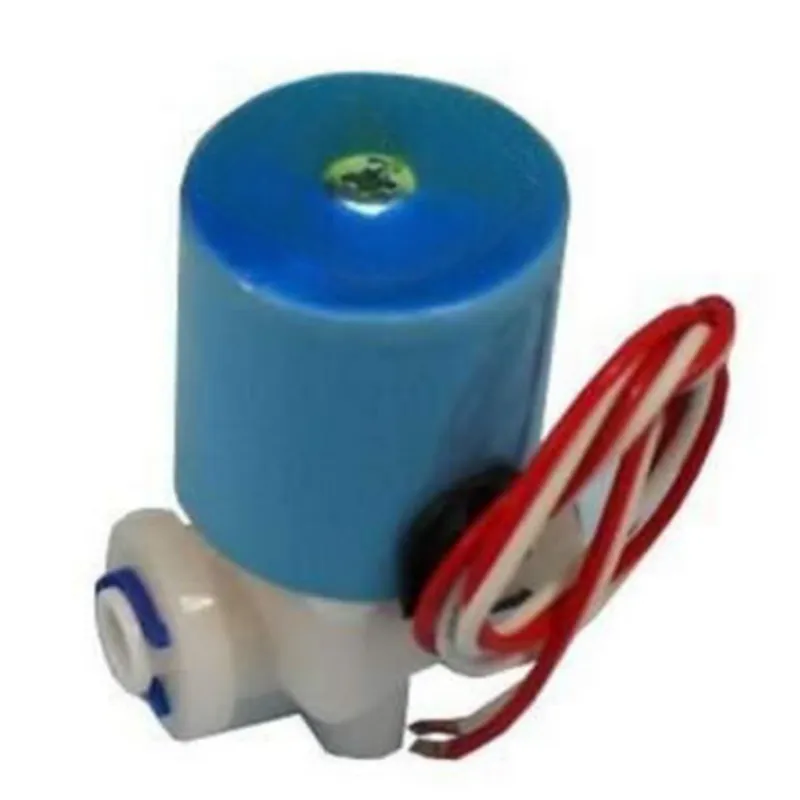
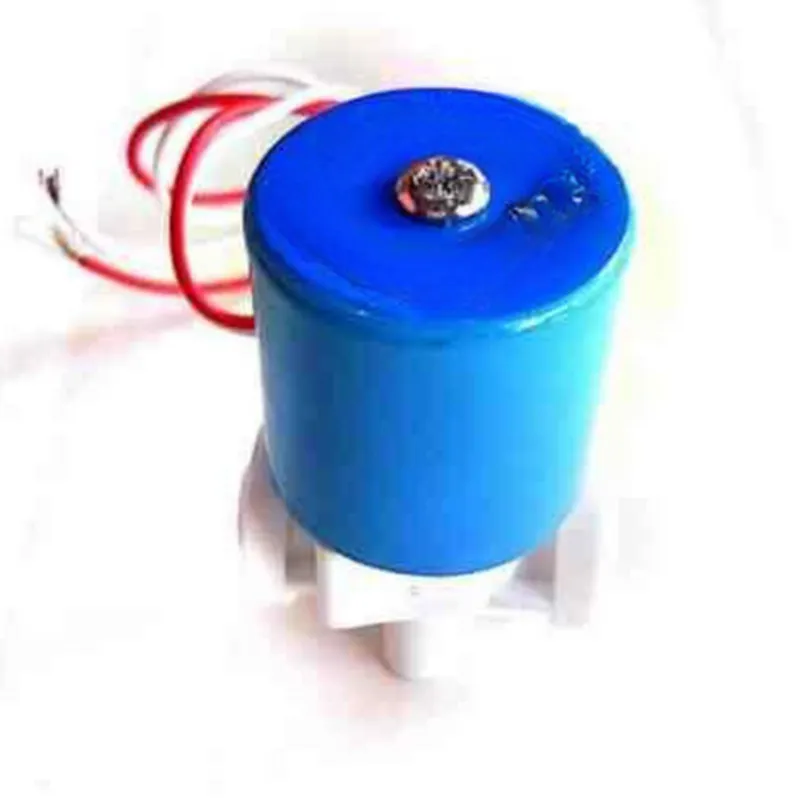
Solenoid Valve 12v-24v 1/4 inch (Blue)
The Solenoid Valve 12v-24v 1/4 inch (Blue) is a type of electrically operated valve that uses electromagnetic forces to control the flow of fluids or gases. It is designed to operate with a voltage range of 12-24V DC and features a 1/4 inch orifice, making it suitable for various applications in industrial automation, robotics, and IoT projects.
The Solenoid Valve 12v-24v 1/4 inch (Blue) functions as a normally closed (NC) valve, meaning that it defaults to a closed state when no power is applied. When an electrical signal is sent to the valve, the solenoid coil generates a magnetic field, which attracts the armature and lifts the valve's plunger, allowing fluid or gas to flow through the orifice. When the power is turned off, the valve returns to its default closed state.
Durable and reliable construction for long-term operation
Compact design for easy installation and integration
Low power consumption for energy efficiency
Suitable for use with air, water, oil, and other compatible fluids
Available in different variants with different body materials, sealing materials, and connection types to suit specific application requirements
Industrial automation systems
Robotics and mechatronics projects
IoT-enabled fluid control systems
Air compressors and pneumatic systems
Hydraulic systems
Water treatment and distribution systems
Oil and gas applications
[Insert wiring and connection diagram for the Solenoid Valve 12v-24v 1/4 inch (Blue)]
Ensure proper voltage supply and wiring to avoid damage to the valve or electrical shock
Follow proper installation and mounting procedures to prevent leakage or damage
Use compatible fluids and gases to avoid corrosion or valve damage
Regularly inspect and maintain the valve to ensure optimal performance and longevity
CE (Conformit Europene) certified
RoHS (Restriction of Hazardous Substances) compliant
UL (Underwriters Laboratories) certified (dependent on variant)
[Insert warranty and support information, including duration and contact details]
Individually packaged in protective cases or bags
Shipped with accompanying documentation, including datasheet and installation guide
Available in bulk packaging for large orders
Solenoid Valve 12v-24v 1/4 inch (Blue) DocumentationOverviewThe Solenoid Valve 12v-24v 1/4 inch (Blue) is an electro-mechanical valve that uses an electric current to control the flow of fluids or gases. It is commonly used in IoT applications such as automation systems, industrial control systems, and DIY projects. This valve is designed to operate with a voltage range of 12-24V and has a 1/4 inch port size.Technical SpecificationsOperating Voltage: 12-24V DC
Port Size: 1/4 inch
Valve Type: 2-way normally closed (NC)
Coil Resistance: 20-30 ohms
Power Consumption: 5-10W
Response Time: <50msPinoutThe Solenoid Valve has two pins:Pin 1: Positive (+) terminal
Pin 2: Negative (-) terminalCode Examples### Example 1: Basic On/Off Control using ArduinoIn this example, we will use an Arduino board to control the solenoid valve.```c++
const int solenoidPin = 2; // Pin 2 on the Arduino boardvoid setup() {
pinMode(solenoidPin, OUTPUT);
}void loop() {
digitalWrite(solenoidPin, HIGH); // Turn the valve ON
delay(5000); // Wait for 5 seconds
digitalWrite(solenoidPin, LOW); // Turn the valve OFF
delay(5000); // Wait for 5 seconds
}
```### Example 2: Automated Watering System using Raspberry Pi (Python)In this example, we will use a Raspberry Pi to control the solenoid valve as part of an automated watering system.```python
import RPi.GPIO as GPIO
import time# Set up GPIO mode
GPIO.setmode(GPIO.BCM)# Set up the solenoid valve pin
solenoid_pin = 17
GPIO.setup(solenoid_pin, GPIO.OUT)while True:
# Water plants for 10 minutes
GPIO.output(solenoid_pin, GPIO.HIGH)
time.sleep(600)
# Stop watering for 10 minutes
GPIO.output(solenoid_pin, GPIO.LOW)
time.sleep(600)
```### Example 3: Home Automation System using ESP32 (C++)In this example, we will use an ESP32 board to control the solenoid valve as part of a home automation system.```c++
#include <WiFi.h>const int solenoidPin = 23; // Pin 23 on the ESP32 boardvoid setup() {
pinMode(solenoidPin, OUTPUT);
Serial.begin(115200);
}void loop() {
if (WiFi.status() == WL_CONNECTED) {
HTTPClient http;
http.begin("http://example.com/api/valve_control");
http.addHeader("Authorization", "Bearer YOUR_API_KEY");
int httpResponseCode = http.GET();
if (httpResponseCode == 200) {
String response = http.getString();
if (response == "ON") {
digitalWrite(solenoidPin, HIGH);
} else if (response == "OFF") {
digitalWrite(solenoidPin, LOW);
}
}
}
delay(5000);
}
```Note: Remember to adjust the pin numbers and voltage levels according to your specific setup and requirements. Additionally, ensure that the solenoid valve is properly connected to a power source and a load (e.g., a water pump) to operate safely and efficiently.