Pure Copper 720mm Length Cable with Dupont Connector for NEMA17 Stepper Motor


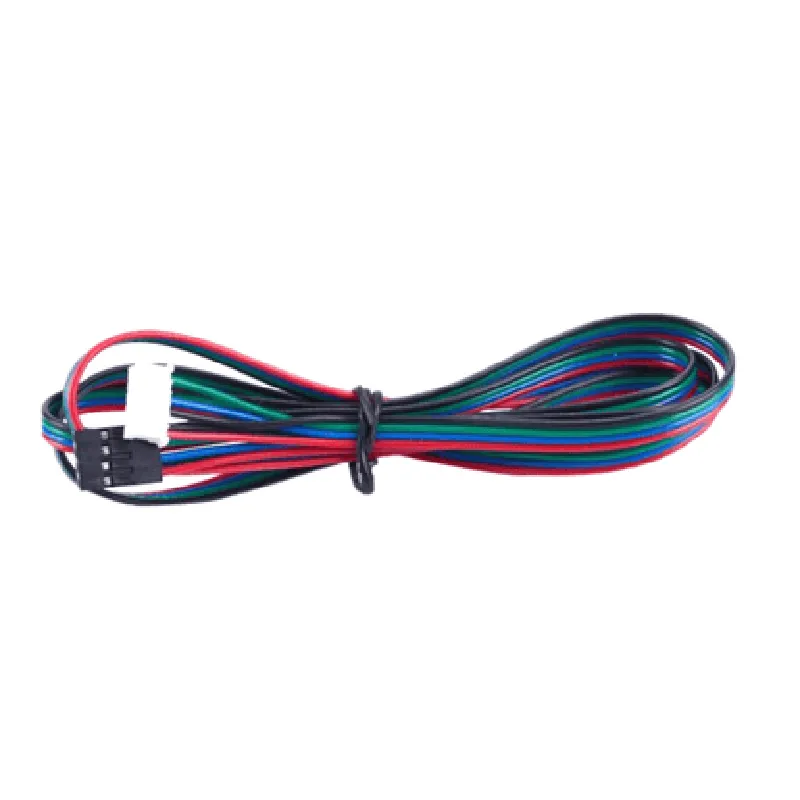
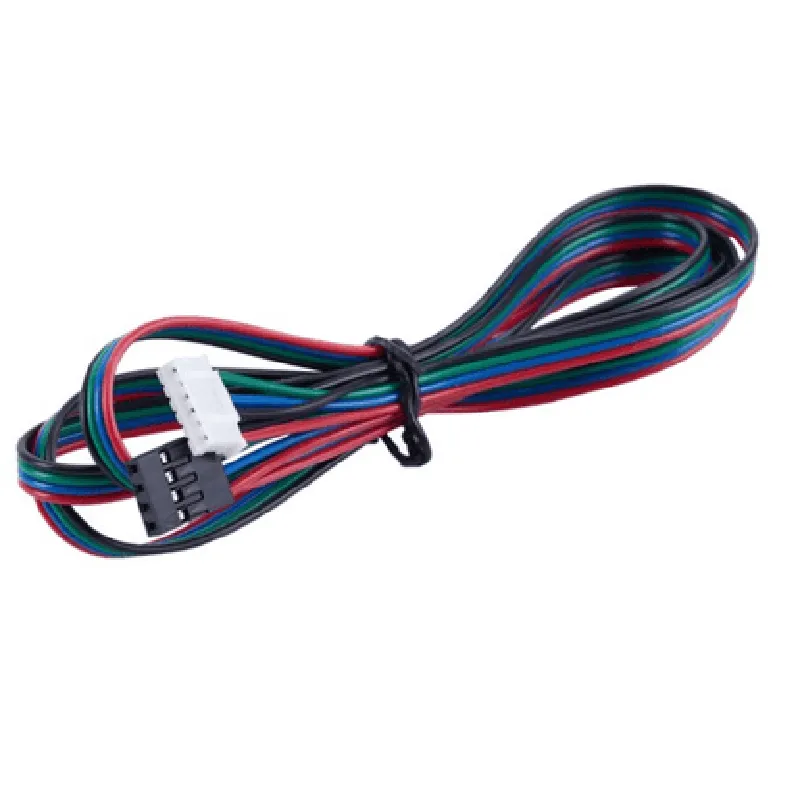
Pure Copper 720mm Length Cable with Dupont Connector for NEMA17 Stepper Motor
The Pure Copper 720mm Length Cable with Dupont Connector is a high-quality cable designed specifically for connecting NEMA17 Stepper Motors to motor controllers or other devices. This cable is an essential component in robotics, CNC machines, and other applications that utilize stepper motors.
The primary function of this cable is to transmit electrical signals and power from a motor controller or driver to a NEMA17 Stepper Motor, enabling the motor to operate efficiently and accurately. The cable ensures reliable data transmission and power supply to the motor, allowing it to rotate, move, or perform other desired actions.
| The Pure Copper 720mm Length Cable with Dupont Connector is suitable for various applications, including |
Robotics and robotic arms
CNC machines and milling machines
3D printing and laser cutting machines
Industrial automation and control systems
Medical devices and equipment
Aerospace and defense applications
The Pure Copper 720mm Length Cable with Dupont Connector is a high-quality, reliable, and durable component designed for connecting NEMA17 Stepper Motors to motor controllers or other devices. Its pure copper construction, Dupont connector, and shielding ensure excellent electrical conductivity, minimal signal loss, and reliable data transmission. This cable is an essential component in various applications where stepper motors are used, providing a secure and efficient connection.
Component Documentation: Pure Copper 720mm Length Cable with Dupont Connector for NEMA17 Stepper MotorOverviewThis pure copper cable is designed for connecting NEMA17 stepper motors to motor drivers or controllers. It features a 720mm length and is terminated with a Dupont connector, making it easy to integrate into a wide range of IoT projects.SpecificationsCable Length: 720mm
Material: Pure Copper
Connector Type: Dupont
Compatibility: NEMA17 Stepper MotorExample 1: Arduino-based Stepper Motor ControlIn this example, we will demonstrate how to use the cable to connect a NEMA17 stepper motor to an Arduino board, and control its movement using the Arduino Stepper library.Hardware RequirementsArduino Board (e.g., Arduino Uno)
NEMA17 Stepper Motor
Pure Copper 720mm Length Cable with Dupont Connector
Motor Driver (e.g., A4988 or DRV8825)Software RequirementsArduino IDE
Arduino Stepper LibraryCode Example
```c++
#include <Stepper.h>// Define the motor pins
#define dirPin 2
#define stepPin 3
#define enablePin 4// Create a stepper object
Stepper stepper(200, dirPin, stepPin);void setup() {
// Initialize the stepper motor
stepper.setSpeed(100);
}void loop() {
// Rotate the motor 1 revolution clockwise
stepper.step(200);
delay(1000);// Rotate the motor 1 revolution counter-clockwise
stepper.step(-200);
delay(1000);
}
```
Example 2: Raspberry Pi-based Stepper Motor Control using PythonIn this example, we will demonstrate how to use the cable to connect a NEMA17 stepper motor to a Raspberry Pi, and control its movement using Python and the RPi.GPIO library.Hardware RequirementsRaspberry Pi Board (e.g., Raspberry Pi 4)
NEMA17 Stepper Motor
Pure Copper 720mm Length Cable with Dupont Connector
Motor Driver (e.g., L298N or DRV8825)Software RequirementsRaspbian Operating System
Python 3.x
RPi.GPIO LibraryCode Example
```python
import RPi.GPIO as GPIO
import time# Define the motor pins
DIR_PIN = 17
STEP_PIN = 23
ENABLE_PIN = 24# Set up the GPIO pins
GPIO.setmode(GPIO.BCM)
GPIO.setup(DIR_PIN, GPIO.OUT)
GPIO.setup(STEP_PIN, GPIO.OUT)
GPIO.setup(ENABLE_PIN, GPIO.OUT)# Set the motor direction
GPIO.output(DIR_PIN, GPIO.HIGH)# Rotate the motor 1 revolution clockwise
for i in range(200):
GPIO.output(STEP_PIN, GPIO.HIGH)
time.sleep(0.005)
GPIO.output(STEP_PIN, GPIO.LOW)
time.sleep(0.005)# Rotate the motor 1 revolution counter-clockwise
GPIO.output(DIR_PIN, GPIO.LOW)
for i in range(200):
GPIO.output(STEP_PIN, GPIO.HIGH)
time.sleep(0.005)
GPIO.output(STEP_PIN, GPIO.LOW)
time.sleep(0.005)
```
Note: In both examples, ensure that the Dupont connector is securely connected to the motor driver or controller, and the motor is properly wired to the driver or controller. Additionally, adjust the motor speed, direction, and step rates according to your specific application requirements.