Stufin
Home Quick Cart Profile

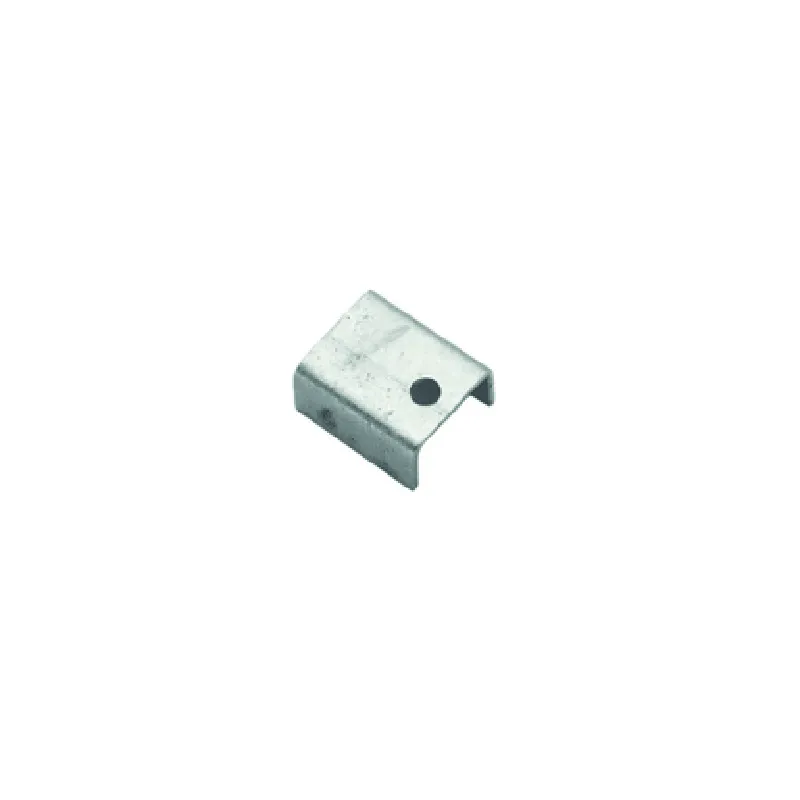
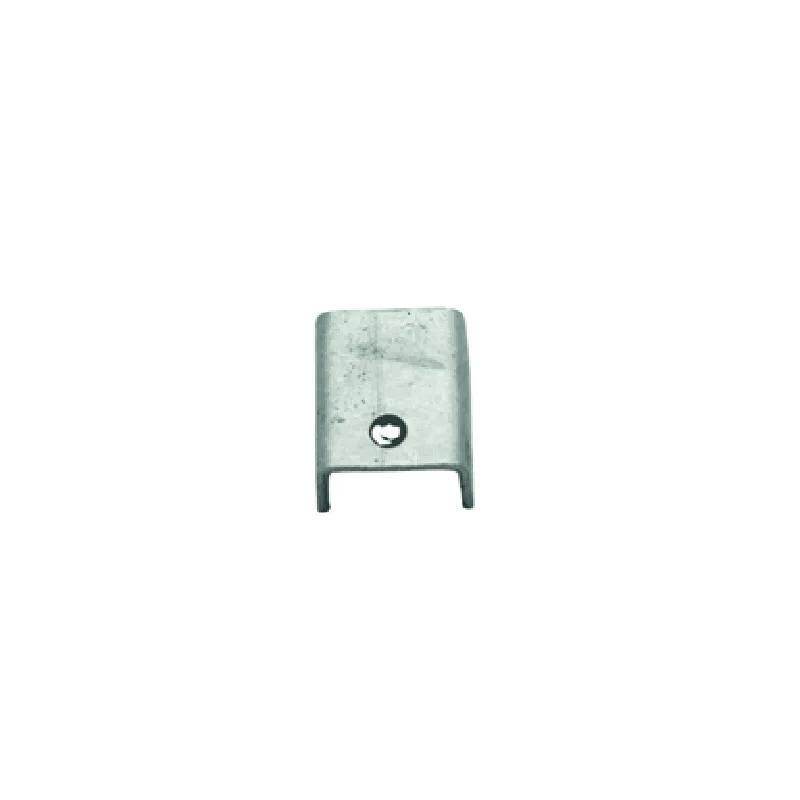
Small Aluminium Heat Sink for TO-220 Package


Buy Now on Stufin

Component Name

Small Aluminium Heat Sink for TO-220 Package
Description

The Small Aluminium Heat Sink for TO-220 Package is a compact, high-performance heat dissipation component specifically designed for use with TO-220 packaged devices, such as voltage regulators, power transistors, and motor controllers. This heat sink is engineered to efficiently dissipate heat generated by these devices, ensuring reliable operation and prolonged lifespan.
Functionality

  • Heat Conduction: The heat sink's aluminium body rapidly absorbs heat from the device, thanks to its high thermal conductivity.
  • Heat Dissipation: The absorbed heat is then dissipated into the surrounding air through natural convection, radiation, and conduction.
  • Temperature Reduction: By dissipating heat efficiently, the heat sink reduces the operating temperature of the device, preventing overheating, and ensuring reliable performance.
The primary function of the Small Aluminium Heat Sink is to absorb and dissipate heat away from the TO-220 packaged device, maintaining a safe operating temperature. This is achieved through

Key Features

  • Compact Design: The heat sink's small size (typically 20mm x 15mm x 10mm) makes it ideal for use in space-constrained applications, such as embedded systems, robotics, and IoT devices.
  • High-Quality Aluminium Construction: The heat sink is crafted from high-purity aluminium, ensuring excellent thermal conductivity and durability.
  • Optimized Fin Design: The uniquely designed fins provide an increased surface area for heat dissipation, maximizing the heat sink's performance.
  • TO-220 Package Compatibility: The heat sink is specifically designed to fit snugly around TO-220 packaged devices, ensuring secure and efficient heat transfer.
  • Easy Installation: The heat sink can be easily affixed to the device using screws, clips, or adhesive, making installation quick and convenient.
  • Low Profile: The heat sink's low profile (typically 10mm) allows for easy integration into compact designs, minimizing spatial constraints.
  • RoHS and REACH Compliance: The heat sink meets stringent environmental regulations, ensuring a safe and eco-friendly solution for your application.

Material

High-purity aluminium

Dimensions

20mm x 15mm x 10mm (typical)

Thermal Resistance

5C/W (typical)

Weight

5g (approx.)

Operating Temperature

-40C to +150C

Compatibility

TO-220 package devices

Applications

  • Power Electronics: Voltage regulators, power transistors, motor controllers, and other high-power devices.
  • Embedded Systems: Microcontrollers, FPGA, and other compact, high-density applications.
  • Robotics and Automation: Motor drivers, servo controllers, and other high-temperature devices.
  • IoT Devices: Sensors, microcontrollers, and other devices requiring compact, efficient heat dissipation.

By incorporating the Small Aluminium Heat Sink for TO-220 Package into your design, you can ensure reliable, high-performance operation while maintaining a compact and efficient system layout.

Pin Configuration

  • Small Aluminium Heat Sink for TO-220 Package Documentation
  • Overview
  • The Small Aluminium Heat Sink for TO-220 Package is a thermal management component designed to dissipate heat generated by devices packaged in a TO-220 package. This heat sink is made of high-quality aluminum, providing efficient heat conduction and dissipation. The TO-220 package is a popular package type used for power transistors, voltage regulators, and other semiconductor devices.
  • Pinout
  • The TO-220 package has three pins, which are:
  • 1. Pin 1: Collector (C)
  • Function: The collector pin is connected to the collector terminal of the transistor or voltage regulator inside the TO-220 package.
  • Description: This pin is usually the largest of the three and is located at the center of the package.
  • Connection: Connect to the collector terminal of the device or circuit requiring thermal management.
  • 2. Pin 2: Base (B)
  • Function: The base pin is connected to the base terminal of the transistor or voltage regulator inside the TO-220 package.
  • Description: This pin is usually smaller than the collector pin and is located on one side of the package.
  • Connection: Connect to the base terminal of the device or circuit requiring thermal management.
  • 3. Pin 3: Emitter (E)
  • Function: The emitter pin is connected to the emitter terminal of the transistor or voltage regulator inside the TO-220 package.
  • Description: This pin is usually the smallest of the three and is located on the other side of the package.
  • Connection: Connect to the emitter terminal of the device or circuit requiring thermal management.
  • Heat Sink Installation and Connection Guide
  • To connect the heat sink to a TO-220 package device, follow these steps:
  • Step 1: Prepare the Heat Sink
  • Clean the heat sink surface to remove any debris or oils.
  • Apply a thin layer of thermal interface material (TIM) or thermal grease to the heat sink surface.
  • Step 2: Mount the Device
  • Mount the TO-220 package device onto the heat sink, ensuring the pins align with the corresponding holes on the heat sink.
  • Gently press the device onto the heat sink, ensuring good contact between the device and the heat sink.
  • Step 3: Connect the Pins
  • Connect the collector pin (Pin 1) of the device to the collector terminal of the circuit or device.
  • Connect the base pin (Pin 2) of the device to the base terminal of the circuit or device.
  • Connect the emitter pin (Pin 3) of the device to the emitter terminal of the circuit or device.
  • Step 4: Secure the Device
  • Use screws or clips to secure the device to the heat sink, ensuring good contact and preventing the device from shifting during operation.
  • Important Notes
  • Ensure the heat sink is properly installed and secured to prevent damage to the device or surrounding components.
  • Follow proper thermal management and cooling design guidelines to ensure efficient heat dissipation.
  • Refer to the device datasheet and application notes for specific connection and installation guidelines.
  • By following these steps and guidelines, you can properly install and connect the Small Aluminium Heat Sink for TO-220 Package to your device, ensuring efficient thermal management and reliable operation.

Code Examples

Small Aluminium Heat Sink for TO-220 Package
Overview
The Small Aluminium Heat Sink for TO-220 Package is a compact heat sink designed specifically for TO-220 packaged ICs. Its compact size and high thermal conductivity make it an ideal solution for reducing thermal resistance and increasing the reliability of power electronics, embedded systems, and other IoT applications.
Key Features
Compact size: 15.5 mm x 10 mm x 10 mm (L x W x H)
 High thermal conductivity: 200 W/m-K
 Material: Aluminium alloy
 TO-220 package compatibility
 Easy installation with screw or adhesive
Applications
Power electronics: voltage regulators, motor drivers, and power amplifiers
 Embedded systems: microcontrollers, FPGA, and SoC-based systems
 IoT devices: wireless sensor nodes, smart home devices, and wearable electronics
Code Examples
Example 1: Using the Heat Sink with an Arduino-based Temperature Control System
In this example, we'll demonstrate how to use the Small Aluminium Heat Sink with an Arduino Uno board and a TO-220 packaged voltage regulator (e.g., 78L05) to regulate the temperature of a temperature sensor.
```cpp
#include <Arduino.h>
// Define temperature sensor pin
const int tempSensorPin = A0;
// Define voltage regulator pin (TO-220 package)
const int vccPin = 3;
void setup() {
  // Initialize temperature sensor pin as input
  pinMode(tempSensorPin, INPUT);
// Initialize voltage regulator pin as output
  pinMode(vccPin, OUTPUT);
}
void loop() {
  // Read temperature sensor value
  int tempValue = analogRead(tempSensorPin);
// Convert temperature value to Celsius
  float temperature = (tempValue  5.0 / 1024.0 - 0.5)  100.0;
// Regulate temperature by adjusting voltage regulator output
  if (temperature > 25.0) {
    digitalWrite(vccPin, LOW);
  } else {
    digitalWrite(vccPin, HIGH);
  }
delay(1000);
}
```
Example 2: Using the Heat Sink with a Raspberry Pi-based Power Amplifier
In this example, we'll demonstrate how to use the Small Aluminium Heat Sink with a Raspberry Pi board and a TO-220 packaged power amplifier (e.g., TDA2822) to amplify an audio signal.
```python
import RPi.GPIO as GPIO
import Adafruit_ADS1x15
# Define power amplifier pin (TO-220 package)
power_amp_pin = 17
# Define audio signal pin
audio_signal_pin = 23
# Initialize GPIO library
GPIO.setmode(GPIO.BCM)
# Initialize power amplifier pin as output
GPIO.setup(power_amp_pin, GPIO.OUT)
# Initialize audio signal pin as input
GPIO.setup(audio_signal_pin, GPIO.IN)
# Create an ADS1x15 ADC instance
adc = Adafruit_ADS1x15.ADS1015()
while True:
  # Read audio signal value
  audio_value = adc.read_adc(audio_signal_pin, gain=1)
# Amplify audio signal using power amplifier
  if audio_value > 500:
    GPIO.output(power_amp_pin, GPIO.HIGH)
  else:
    GPIO.output(power_amp_pin, GPIO.LOW)
# Wait for 10ms
  time.sleep(0.01)
```
Note: These code examples are for illustration purposes only and may require modifications to work with specific hardware configurations and applications. Always ensure proper thermal management and follow safety guidelines when working with power electronics and high temperatures.