6mm


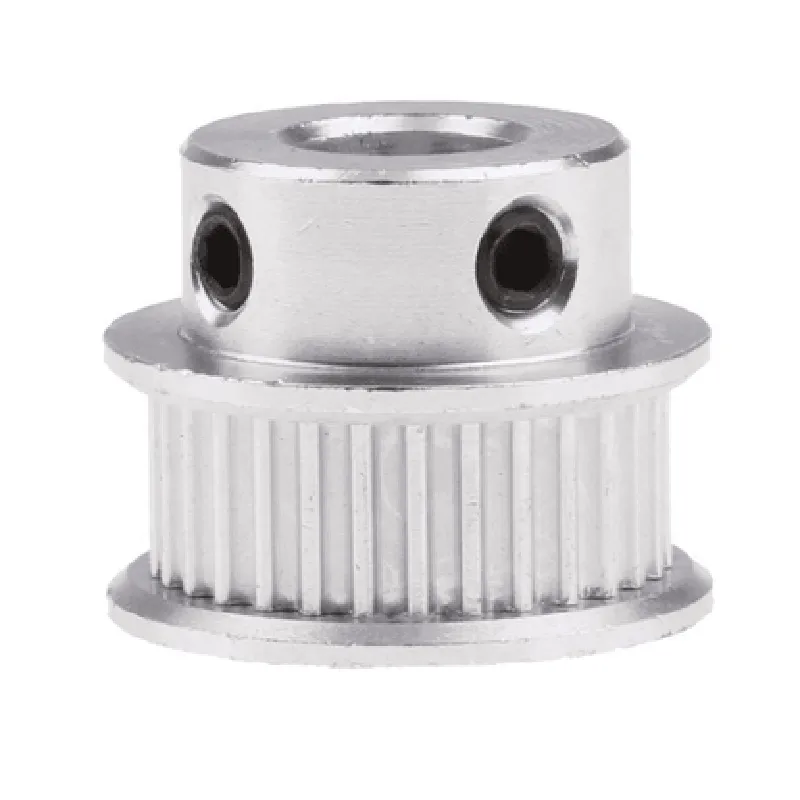
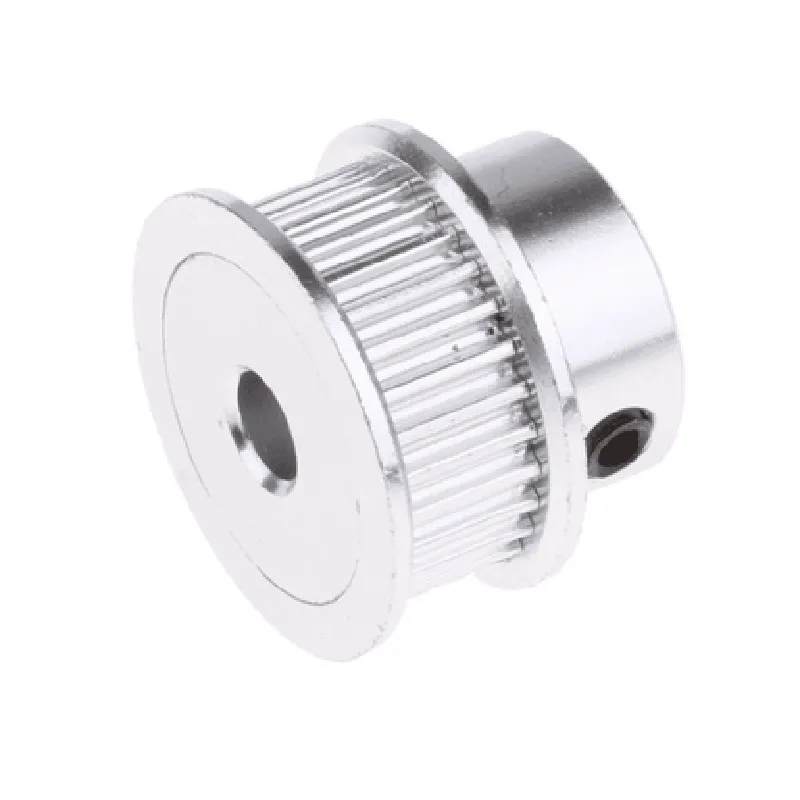
6mm
30
5mm
Aluminum or steel
GT2 standard
Solid core, reinforced teeth
Precise and controlled
GT2 timing belts and compatible components
Applications
| The GT2-6mm Belt Width 30 Teeth 5mm Bore Timing Pulley is commonly used in various IoT applications, including |
3D printing and additive manufacturing
CNC machines and machining centers
Robotic systems and automation
Linear motion systems and actuators
Precision engineering and mechanical systems
Conclusion
The GT2-6mm Belt Width 30 Teeth 5mm Bore Timing Pulley is a precision-engineered component designed to facilitate accurate and reliable motion transmission in various IoT applications. Its features, specifications, and applications make it an essential component in many modern mechanical systems.
GT2-6mm Belt Width 30 Teeth 5mm Bore Timing Pulley DocumentationOverviewThe GT2-6mm Belt Width 30 Teeth 5mm Bore Timing Pulley is a precision-engineered component designed for use in linear motion systems, robotics, and CNC applications. This timing pulley features a 6mm wide GT2 belt profile, 30 teeth, and a 5mm bore diameter, making it compatible with a range of motor shafts and belts.Technical SpecificationsBelt width: 6mm (GT2 profile)
Number of teeth: 30
Bore diameter: 5mm
Material: High-strength aluminum alloy
Finish: Anodized
Tooth pitch: 2mm
Belt pitch: 2mmCode Examples### Example 1: Arduino Stepper Motor Control with GT2 PulleyIn this example, we'll demonstrate how to use the GT2-6mm Belt Width 30 Teeth 5mm Bore Timing Pulley with an Arduino board and a stepper motor to control linear motion.Hardware RequirementsArduino Uno or compatible board
Stepper motor (e.g., NEMA 17)
GT2-6mm Belt Width 30 Teeth 5mm Bore Timing Pulley
GT2 belt
Motor driver (e.g., A4988 or DRV8825)Software RequirementsArduino IDECode
```c++
#include <Stepper.h>// Define stepper motor pins
const int dirPin = 2;
const int stepPin = 3;// Define GT2 pulley specifications
const int teeth = 30;
const float beltPitch = 2.0; // mm
const float pulleyRadius = 10.0; // mm (calculated)Stepper stepper(teeth, dirPin, stepPin);void setup() {
// Set stepper motor speed (adjust to your needs)
stepper.setSpeed(100);
}void loop() {
// Move the stepper motor 100mm forward
float distance = 100.0;
int steps = distance / (beltPitch pulleyRadius);
stepper.step(steps);
delay(1000); // wait 1 second
// Move the stepper motor 50mm backward
distance = -50.0;
steps = distance / (beltPitch pulleyRadius);
stepper.step(steps);
delay(1000); // wait 1 second
}
```
### Example 2: PythonScript for CNC Milling with GT2 PulleyIn this example, we'll demonstrate how to use the GT2-6mm Belt Width 30 Teeth 5mm Bore Timing Pulley in a CNC milling application using Python and the Universal G-Code Sender (UGS) library.Hardware RequirementsCNC milling machine
GT2-6mm Belt Width 30 Teeth 5mm Bore Timing Pulley
GT2 belt
Stepper motor driver
Computer with Python installedSoftware RequirementsPython 3.x
UGS libraryCode
```python
import ugs# Define CNC milling machine settings
cnc = ugs.CNC('COM3', 115200) # adjust serial port and baudrate as needed# Define GT2 pulley specifications
teeth = 30
belt_pitch = 2.0 # mm
pulley_radius = 10.0 # mm (calculated)# Define CNC move commands
def move_x(distance):
steps = distance / (belt_pitch pulley_radius)
cnc.send(f'G1 X{steps} F100') # adjust feed rate as needed# Move X-axis 100mm forward
move_x(100.0)# Move X-axis 50mm backward
move_x(-50.0)
```
These examples demonstrate the basic usage of the GT2-6mm Belt Width 30 Teeth 5mm Bore Timing Pulley in different contexts. You can adapt and modify the code to suit your specific application requirements.