DIY CX-002 Lark Quadcopter


DIY CX-002 Lark Quadcopter
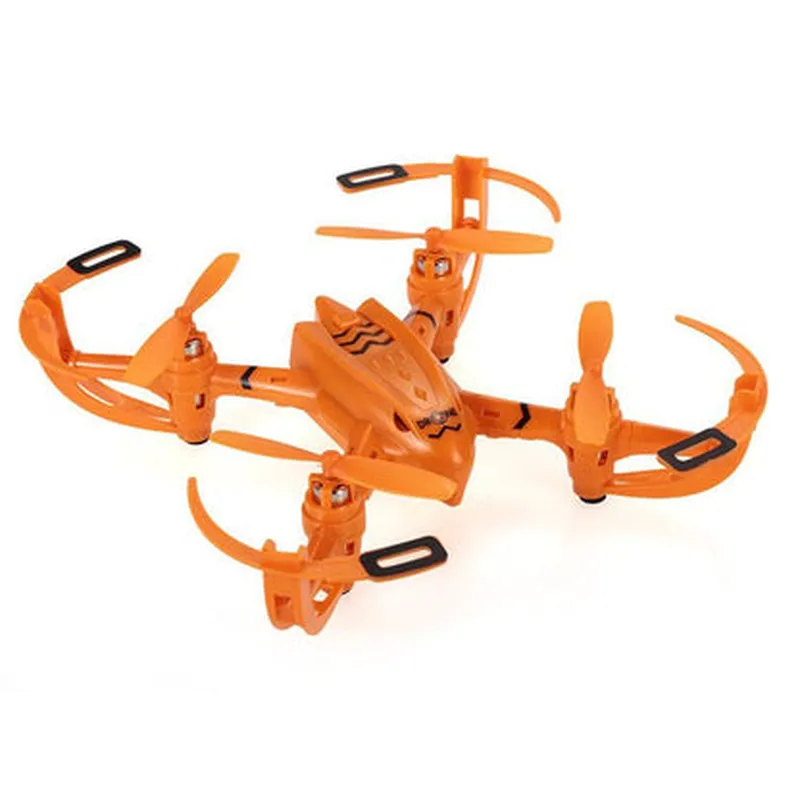
The DIY CX-002 Lark Quadcopter is a versatile and customizable flying robot platform designed for enthusiasts, hobbyists, and developers. This quadcopter offers a unique blend of performance, durability, and affordability, making it an ideal choice for various applications, including aerial photography, surveillance, and research.
| The DIY CX-002 Lark Quadcopter is a remote-controlled, four-rotor aircraft capable of vertical takeoff and landing (VTOL). It can be controlled using a radio transmitter or programmed to perform autonomous flights using its onboard flight controller and GPS module. The quadcopter's primary functionality includes |
The quadcopter is equipped with a powerful flight controller that allows for stable and agile flight. The controller automatically adjusts motor speeds to maintain stability and respond to pilot inputs.
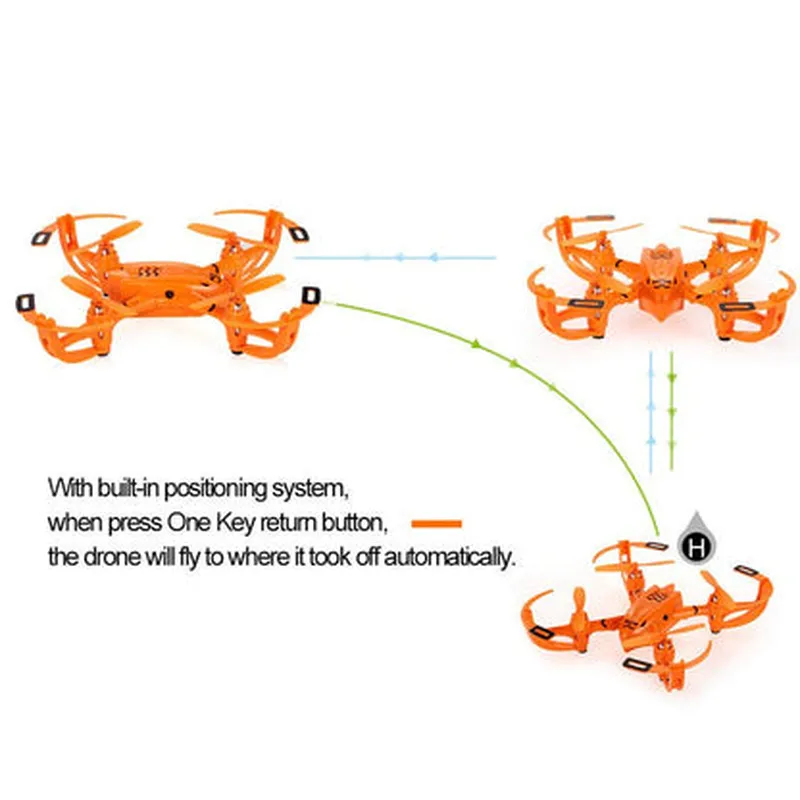
The onboard GPS module enables autonomous flight modes, such as way-point navigation, altitude hold, and return-to-home.
The quadcopter can be equipped with a camera for capturing high-quality aerial photos and videos.
180 mm
180 mm
120 mm
430g (without battery)
650g
Brushless, 230W each
30A, 3S LiPo compatible
32-bit ARM Cortex-M4 processor, 3-axis gyroscope, 3-axis accelerometer, barometer
GPS, GLONASS, GALILEO support
Real-time flight data transmission
3S 11.1V 2200mAh LiPo
Up to 15 minutes
Up to 1.5 km
| The DIY CX-002 Lark Quadcopter is suitable for a variety of applications, including |
Capture stunning aerial footage and photos for real estate, filmmaking, or surveying purposes.
Utilize the quadcopter for security, infrastructure inspection, or environmental monitoring.
Leverage the quadcopter's customizable platform for research in robotics, computer vision, or machine learning.
Enjoy the thrill of flying a customizable and highly capable quadcopter.
DIY CX-002 Lark Quadcopter Component DocumentationOverviewThe DIY CX-002 Lark Quadcopter is a customizable and affordable quadcopter kit designed for enthusiasts and developers. It features a sturdy frame, four brushless motors, and a range of sensors, making it an ideal platform for IoT and robotics projects.Technical SpecificationsMicrocontroller: Arduino-compatible Flight Controller Board with ATmega328P
Motors: 4x Brushless Motors (CW & CCW)
Sensors: Accelerometer, Gyroscope, Barometer, GPS
Communication: Serial UART, I2C, SPI, and USB
Power: 7.4V 1500mAh Li-Po Battery
Weight: approximately 350gGetting StartedTo use the DIY CX-002 Lark Quadcopter, you'll need to:1. Assemble the quadcopter according to the manufacturer's instructions.
2. Install the Arduino IDE and necessary libraries.
3. Upload the flight control code to the microcontroller.Code Examples### Example 1: Basic Flight Control using ArduinoThis example demonstrates how to use the DIY CX-002 Lark Quadcopter to fly autonomously using the built-in sensors and Arduino.
```cpp
#include <Wire.h>
#include <MPU6050.h>MPU6050 imu(Wire);void setup() {
Serial.begin(9600);
imu.begin();
}void loop() {
int16_t ax, ay, az;
imu.readAcceleration(ax, ay, az);// Calculate roll and pitch angles
float roll = atan2(ay, az);
float pitch = atan2(-ax, sqrt(pow(ay, 2) + pow(az, 2)));// Control motors based on angle values
motorControl(roll, pitch);
}void motorControl(float roll, float pitch) {
// Implement motor control logic here
// For example, adjust motor speeds based on roll and pitch values
// motor1.write(100 + roll 10);
// motor2.write(100 + pitch 10);
// motor3.write(100 - roll 10);
// motor4.write(100 - pitch 10);
}
```
### Example 2: GPS-guided Flight using PythonThis example demonstrates how to use the DIY CX-002 Lark Quadcopter with Python and the GPS module to fly to a predetermined location.
```python
import serial
import time# Initialize serial communication with the quadcopter
ser = serial.Serial('COM3', 9600)def get_gps_data():
ser.write(b'GET_GPS_DATA
')
data = ser.readline().decode().strip().split(',')
return {'lat': float(data[0]), 'lon': float(data[1]), 'alt': float(data[2])}def fly_to_location(lat, lon):
# Calculate distance and bearing to target location
current_gps = get_gps_data()
distance = haversine_distance(current_gps['lat'], current_gps['lon'], lat, lon)
bearing = calculate_bearing(current_gps['lat'], current_gps['lon'], lat, lon)# Control motors to fly to target location
while distance > 1.0:
motor_control(bearing)
time.sleep(0.5)
current_gps = get_gps_data()
distance = haversine_distance(current_gps['lat'], current_gps['lon'], lat, lon)def motor_control(bearing):
# Implement motor control logic here
# For example, adjust motor speeds based on bearing value
ser.write(b'MOTOR_CONTROL ' + str(bearing) + '
')# Example usage
fly_to_location(37.7749, -122.4194) # Fly to a predefined location (San Francisco)
```
Note: These examples are simplified and require additional logic and error handling to ensure safe and stable flight. It's essential to consult the DIY CX-002 Lark Quadcopter's documentation and follow proper safety guidelines when working with this component.