1045


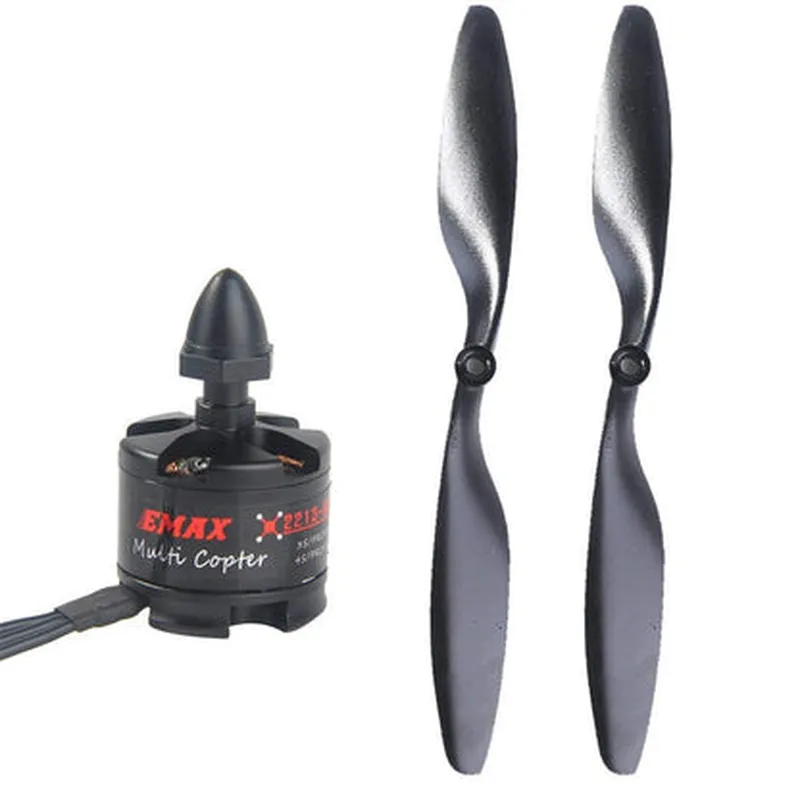
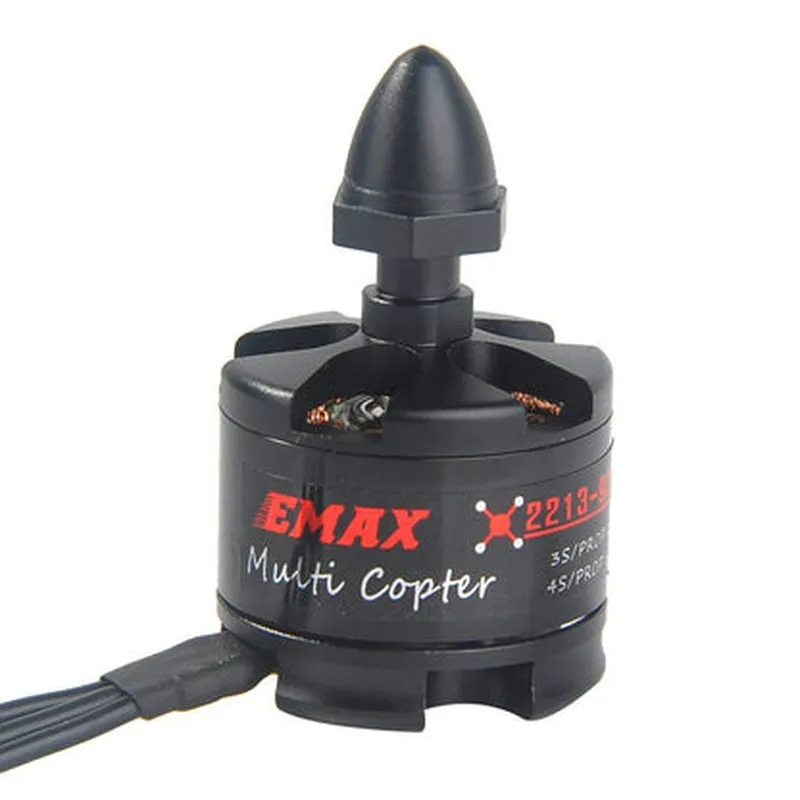
1045
920kV
Three-phase
14
0.145 ohms
0.95 H
240g
34.5mm x 51.5mm x 44.5mm (Dia. x Length x Height)
### Propeller Specifications
1045mm
4.5"
High-strength, lightweight plastic
120g (per propeller)
### Performance Characteristics
Up to 4.5 kgf (9.9 lbf)
55A
85%
Up to 2400 RPM
### Convenience Features
Integrated motor mounting system with M3 x 0.5 mm thread
3.5mm gold-plated connectors for easy connection to ESCs and power sources
Compact, aerodynamic design for reduced wind resistance and improved performance
### Compatibility and Certifications
Compatible with most ESCs and flight controllers designed for brushless motors
RoHS and CE compliant, ensuring safe and environmentally friendly operation
Conclusion
The Emax MT2213 920kVA Brushless Motor with 1045 Propeller (1 pair) is a high-performance motor system designed for demanding aerial applications. Its high-torque density design, efficient performance, and compact design make it an ideal solution for drone, UAV, and multi-rotor enthusiasts.
Emax MT2213 920kVA Brushless Motor with 1045 Propeller (1 pair) DocumentationOverviewThe Emax MT2213 920kVA Brushless Motor with 1045 Propeller is a high-performance motor designed for drone and UAV applications. It is a high-torque, high-efficiency motor that is well-suited for demanding aerial applications.Technical SpecificationsMotor Type: Brushless Motor
KV Rating: 920kV
Propeller Size: 1045
Motor Dimensions: 35.5mm x 31.5mm
Weight: 220g (per motor)
Shaft Size: 5mm
Bearing Type: NMB Mining BearingConnections and PinoutsThe motor has a standard 3-pin connector for connection to an ESC (Electronic Speed Controller).Pin 1: Positive (red)
Pin 2: Negative (black)
Pin 3: Signal (yellow)Code Examples### Example 1: Basic Motor Control using Arduino and ESCIn this example, we will use an Arduino board to control the Emax MT2213 motor using an ESC.```c
const int escPin = 9; // Pin connected to ESC signal wirevoid setup() {
pinMode(escPin, OUTPUT);
}void loop() {
// Set motor speed to 50%
analogWrite(escPin, 128);
delay(1000);// Set motor speed to 100%
analogWrite(escPin, 255);
delay(1000);// Set motor speed to 0%
analogWrite(escPin, 0);
delay(1000);
}
```### Example 2: Motor Control using PX4 Flight Stack and DroneKitIn this example, we will use the PX4 flight stack and DroneKit to control the Emax MT2213 motor on a drone.```python
import dronekit# Connect to the drone
vehicle = dronekit.connect('udpin:0.0.0.0:14550')# Set motor speed to 50%
vehicle.channels.overrides['3'] = 128
vehicle.flush()# Set motor speed to 100%
vehicle.channels.overrides['3'] = 255
vehicle.flush()# Set motor speed to 0%
vehicle.channels.overrides['3'] = 0
vehicle.flush()
```### Example 3: Motor Control using Raspberry Pi and PythonIn this example, we will use a Raspberry Pi and Python to control the Emax MT2213 motor using an ESC.```python
import RPi.GPIO as GPIO
import time# Set up GPIO mode
GPIO.setmode(GPIO.BCM)# Set up ESC pin as output
GPIO.setup(18, GPIO.OUT)# Set up PWM frequency
pwm = GPIO.PWM(18, 50)# Start PWM
pwm.start(0)while True:
# Set motor speed to 50%
pwm.ChangeDutyCycle(50)
time.sleep(1)# Set motor speed to 100%
pwm.ChangeDutyCycle(100)
time.sleep(1)# Set motor speed to 0%
pwm.ChangeDutyCycle(0)
time.sleep(1)
```Note: These code examples are for illustrative purposes only and may require modification to work with your specific setup and application. Ensure that you have taken necessary safety precautions when working with electrical systems and motors.