K-type Temperature Thermocouple (1 Meter)


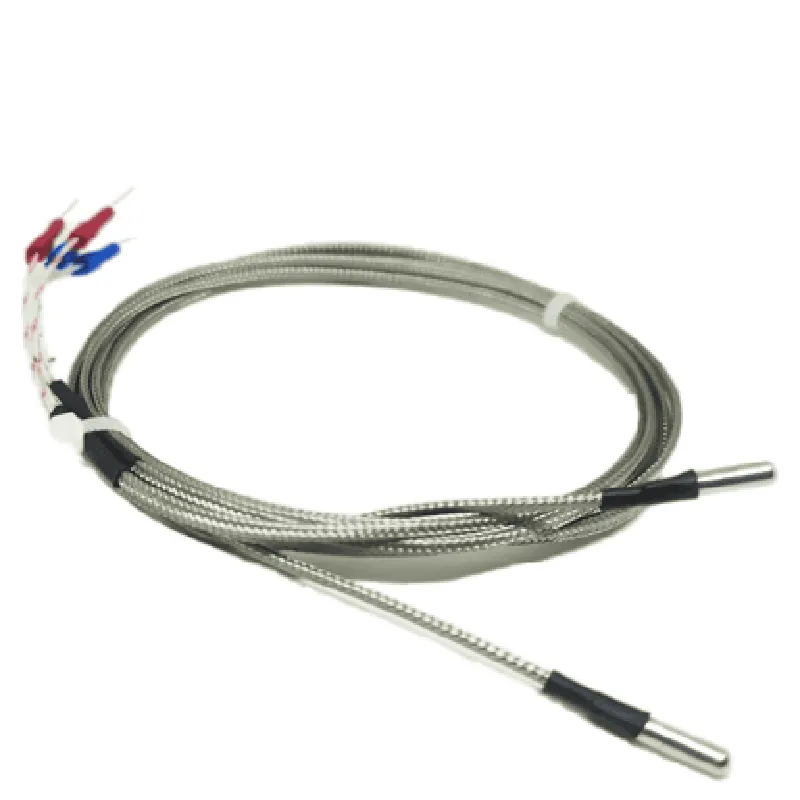
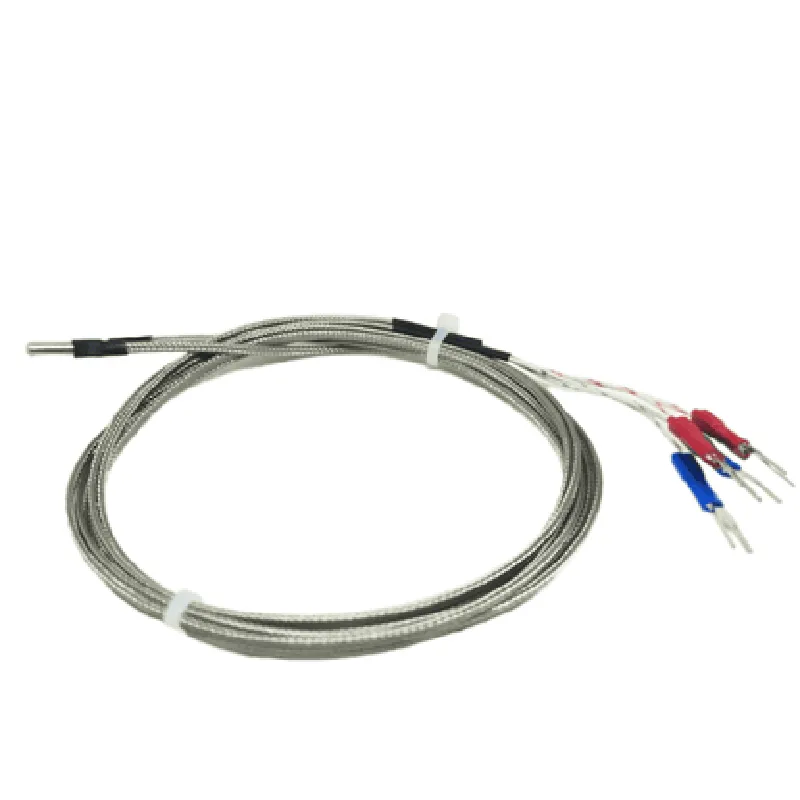
K-type Temperature Thermocouple (1 Meter)
The K-type Temperature Thermocouple (1 Meter) is a widely used temperature measurement device in various industrial, commercial, and DIY applications. This thermocouple is a type of temperature sensor that converts thermal energy into electrical energy, providing an accurate and reliable way to measure temperatures.
The primary function of the K-type Temperature Thermocouple (1 Meter) is to measure temperature in a wide range of environments. It works on the principle of thermoelectric effect, where the thermocouple generates a small voltage proportional to the temperature difference between its hot junction (measuring point) and cold junction (reference point).
| The thermocouple consists of two dissimilar metal wires (Type K | Chromel-Alumel) joined together at one end, forming the hot junction. When the hot junction is exposed to a temperature, it generates a small electromotive force (EMF) voltage, which is proportional to the temperature. The voltage is then measured using a thermocouple reader, controller, or a microcontroller, allowing for accurate temperature measurement. |
By providing accurate and reliable temperature measurements, the K-type Temperature Thermocouple (1 Meter) is an essential component in various industries and applications, ensuring efficient operation, quality control, and safety.
K-type Temperature Thermocouple (1 Meter) DocumentationOverviewThe K-type Temperature Thermocouple (1 Meter) is a widely used temperature sensor that measures temperature with high accuracy and reliability. It consists of two dissimilar metals joined together at one end, creating a thermoelectric junction. When there is a temperature difference between the junction and the open end, a small voltage is generated, which is proportional to the temperature.Technical SpecificationsTemperature range: -200C to 1260C
Accuracy: 1C (typical)
Sensitivity: 39 V/C (typical)
Wire length: 1 meter
Wire material: K-type (Nickel-Chromium/Nickel-Aluminum)
Insulation: Fiberglass or CeramicConnecting the ThermocoupleTo use the K-type Temperature Thermocouple, you need to connect it to a microcontroller or a dedicated thermocouple amplifier. The thermocouple has two wires:Red wire (positive): connect to the positive terminal of the thermocouple amplifier or microcontroller
Yellow wire (negative): connect to the negative terminal of the thermocouple amplifier or microcontrollerCode Examples### Example 1: Arduino Uno with thermocouple amplifier (MAX6675)This example uses the MAX6675 thermocouple amplifier to read the temperature from the K-type thermocouple.```c
#include <SPI.h>
#include <max6675.h>// Define the pins for the MAX6675
#define CS_PIN 5
#define SCK_PIN 13
#define SO_PIN 12MAX6675 thermocouple(CS_PIN, SCK_PIN, SO_PIN);void setup() {
Serial.begin(9600);
}void loop() {
uint16_t temperature = thermocouple.readTemp();
Serial.print("Temperature: ");
Serial.print(temperature);
Serial.println("C");
delay(1000);
}
```### Example 2: Raspberry Pi with PythonThis example uses the Raspberry Pi's analog-to-digital converter (ADC) to read the voltage generated by the thermocouple.```python
import adc0832
import time# Define the ADC channels
ADC_CHANNEL = 0# Initialize the ADC
adc = adc0832.ADC0832()while True:
# Read the voltage from the thermocouple
voltage = adc.read_adc(ADC_CHANNEL)# Convert the voltage to temperature (assuming 39 V/C sensitivity)
temperature = voltage 100 / 39print("Temperature: {:.2f}C".format(temperature))time.sleep(1)
```Note: In the Raspberry Pi example, you may need to calibrate the ADC to match the voltage range of the thermocouple. Additionally, the temperature calculation assumes a linear relationship between voltage and temperature, which may not be accurate for all thermocouples. Consult the thermocouple's datasheet for more information.