11.1V 2200 mAh LiPo Battery


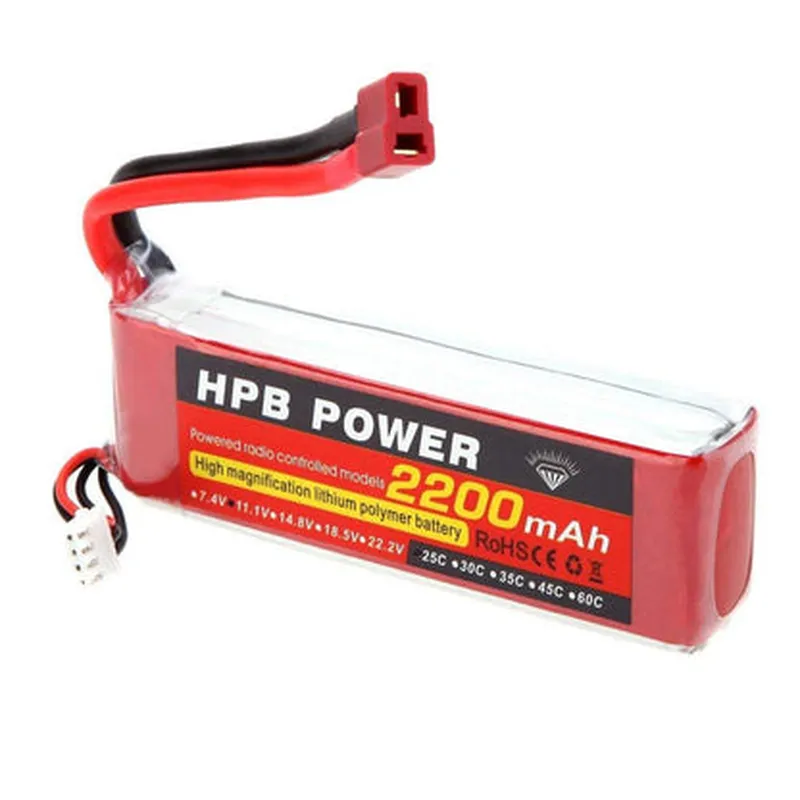
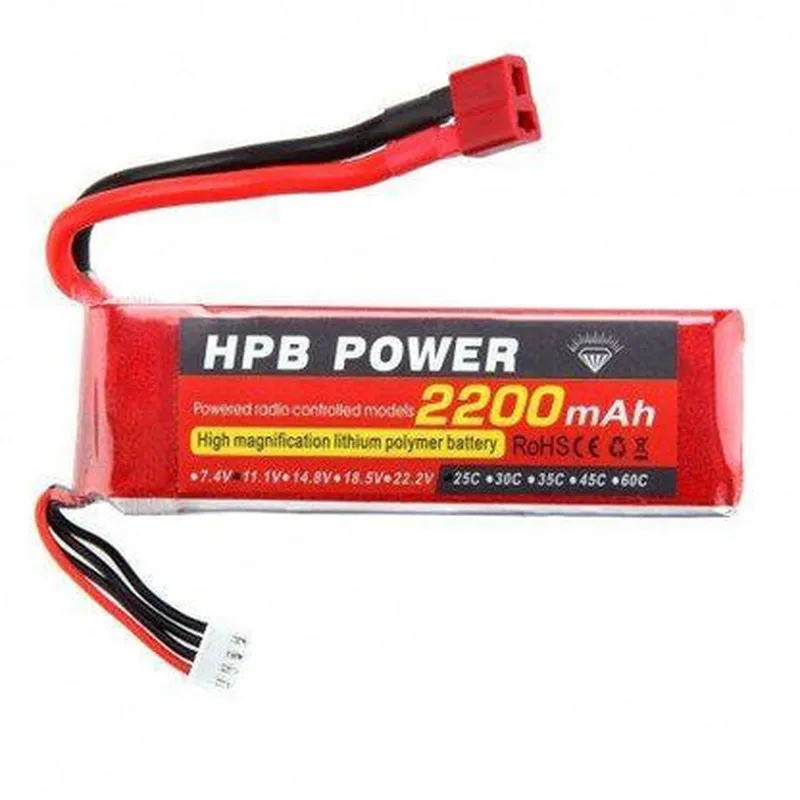
11.1V 2200 mAh LiPo Battery
Rechargeable Lithium-Polymer (LiPo) Battery
[ Manufacturer's Name ]
The 11.1V 2200 mAh LiPo Battery is a high-performance, rechargeable lithium-polymer battery designed for use in various IoT applications, including robotics, drones, and other devices requiring reliable and efficient power supply. This battery is a popular choice among hobbyists and professionals alike due to its high energy density, long cycle life, and relatively low self-discharge rate.
The 11.1V 2200 mAh LiPo Battery provides a reliable and efficient power source for IoT devices, offering a high capacity of 2200 mAh and a nominal voltage of 11.1V. This battery is designed to be recharged hundreds of times, making it an ideal choice for applications where battery replacement is not feasible or convenient.
[Length x Width x Height]
[Weight]
[Connector Type, e.g., JST, XT60, etc.]
Integrated
11.1V
2200 mAh
Up to 300 charge/discharge cycles
| Charge/Discharge Cycles | 1C (standard), 2C (high-rate), 0.5C (low-rate) |
[Internal Resistance, e.g., 20m, etc.]
[Energy Density, e.g., 120 Wh/kg, etc.]
Always handle the battery with care to avoid physical damage or puncture.
Charge the battery using a dedicated charger and follow the recommended charging parameters.
Avoid overcharging or over-discharging the battery, as this can affect its performance and lifespan.
Do not short-circuit the battery or attempt to disassemble it.
Follow proper storage procedures to maintain the battery's health and performance.
| UN 38.3 | Compliant with UN 38.3 regulations for lithium-ion batteries. |
Compliant with RoHS (Restriction of Hazardous Substances) directive.
Compliant with CE (Conformit Europene) marking.
The 11.1V 2200 mAh LiPo Battery comes with a [Warranty Period]-month warranty. For technical support, please contact [Manufacturer's Support Email or Phone Number].
11.1V 2200 mAh LiPo Battery DocumentationOverviewThe 11.1V 2200 mAh LiPo Battery is a rechargeable lithium-ion polymer battery designed for use in various IoT applications. It provides a high energy density, long cycle life, and reliable performance, making it an ideal choice for powering IoT devices.Technical SpecificationsNominal Voltage: 11.1V
Capacity: 2200 mAh
Cycle Life: 300 cycles (80% capacity retention)
Charge/Discharge Cycles: 0.5C/1C (standard), 1C/2C (rapid)
Charging Temperature: 0C to 45C
Discharging Temperature: -20C to 60C
Dimensions: 69.5mm x 42.5mm x 18.5mm
Weight: 120gCode ExamplesHere are a few code examples demonstrating how to use the 11.1V 2200 mAh LiPo Battery in various contexts:Example 1: Battery Monitoring with ArduinoThis example assumes an Arduino board connected to the LiPo Battery and a voltage sensor (such as the INA219) to monitor the battery voltage and state of charge.```cpp
#include <Wire.h>#define BATTERY_VOLTAGE_PIN A0
#define VOLTAGE_SENSOR_ADDRESS 0x40void setup() {
Serial.begin(9600);
Wire.begin();
}void loop() {
int batteryVoltage = analogRead(BATTERY_VOLTAGE_PIN);
float voltage = batteryVoltage 0.011; // Convert ADC reading to voltage
int stateOfCharge = calculateStateOfCharge(voltage); // Implement your own SoC calculationSerial.print("Battery Voltage: ");
Serial.print(voltage);
Serial.println(" V");Serial.print("State of Charge: ");
Serial.print(stateOfCharge);
Serial.println(" %");delay(1000);
}int calculateStateOfCharge(float voltage) {
// Implement your own SoC calculation based on the battery voltage
// For example, you can use the following rough estimate:
if (voltage > 12.6) {
return 100;
} else if (voltage > 11.8) {
return 75;
} else if (voltage > 11.3) {
return 50;
} else if (voltage > 10.8) {
return 25;
} else {
return 0;
}
}
```Example 2: Powering a Raspberry Pi with PythonThis example shows how to use the LiPo Battery to power a Raspberry Pi and monitor its battery level using Python.```python
import os
import time# Define the GPIO pin for the battery monitor
BATTERY_MONITOR_PIN = 17# Set up the GPIO pin for input
os.system("gpio -g mode " + str(BATTERY_MONITOR_PIN) + " in")while True:
# Read the battery voltage from the analog pin
batteryVoltage = os.popen("gpio -g read " + str(BATTERY_MONITOR_PIN)).read()
voltage = float(batteryVoltage) 3.3 / 1023 # Convert voltage to 0-3.3V range
stateOfCharge = calculateStateOfCharge(voltage) # Implement your own SoC calculationprint("Battery Voltage: {:.2f} V".format(voltage))
print("State of Charge: {} %".format(stateOfCharge))time.sleep(1)def calculateStateOfCharge(voltage):
# Implement your own SoC calculation based on the battery voltage
# For example, you can use the following rough estimate:
if voltage > 12.6:
return 100
elif voltage > 11.8:
return 75
elif voltage > 11.3:
return 50
elif voltage > 10.8:
return 25
else:
return 0
```Important ConsiderationsAlways follow proper safety precautions when working with LiPo batteries, including using protective gear and ensuring a safe charging environment.
Ensure that your IoT device's power consumption is within the recommended specifications of the battery.
Implement proper charging and discharging protection mechanisms to prolong the battery's lifespan.By following these examples and guidelines, you can effectively use the 11.1V 2200 mAh LiPo Battery to power your IoT projects and applications.