

Stufin
Home Quick Cart Profile

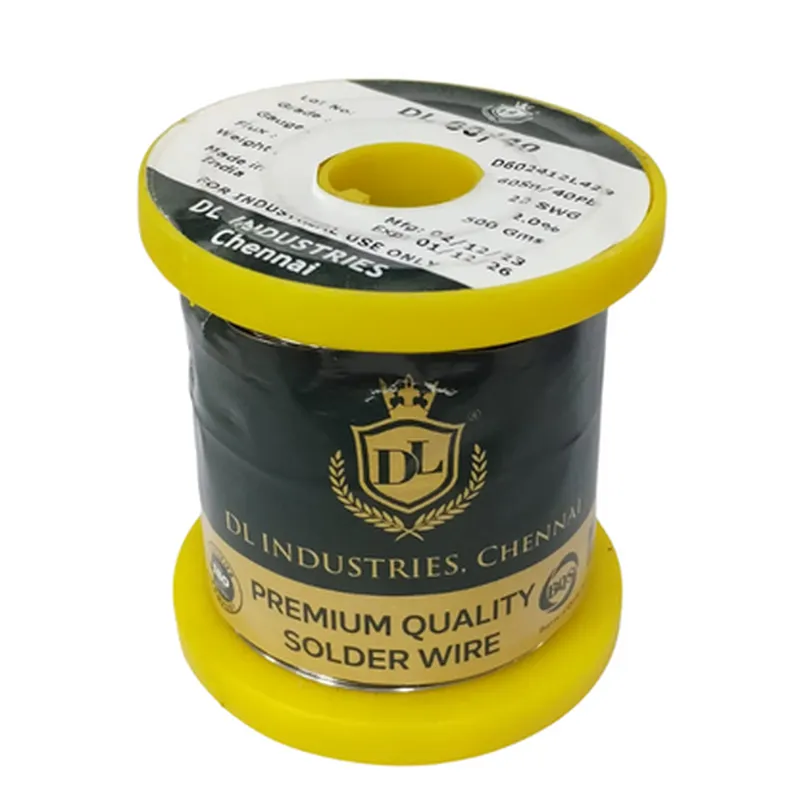
Soldering Lead (500g)

Buy Now on Stufin

Component Name

Soldering Lead (500g)

Overview

The Soldering Lead (500g) is a high-quality soldering material designed for various electronics and IoT applications. This lead-based solder is a essential component for assembling, repairing, and prototyping electronic circuits, PCBs, and other electronic devices.

Functionality

The primary function of the Soldering Lead (500g) is to provide a strong, reliable, and conductive bond between electronic components and PCBs. The soldering process involves melting the solder alloy to form a strong mechanical and electrical connection between the components and the board. The Soldering Lead (500g) is designed to facilitate this process, ensuring a reliable and long-lasting connection.

Key Features

  • Composition: The Soldering Lead (500g) is a lead-based alloy, consisting of 60% tin and 40% lead. This composition provides a low melting point, excellent wetting properties, and high tensile strength.
  • Melting Point: The solder has a melting point of 183C (361F), making it suitable for a wide range of soldering applications.
  • Flux Core: The solder has a flux core, which helps to remove oxidation and other impurities from the surface of the components and PCB, ensuring a strong and reliable bond.
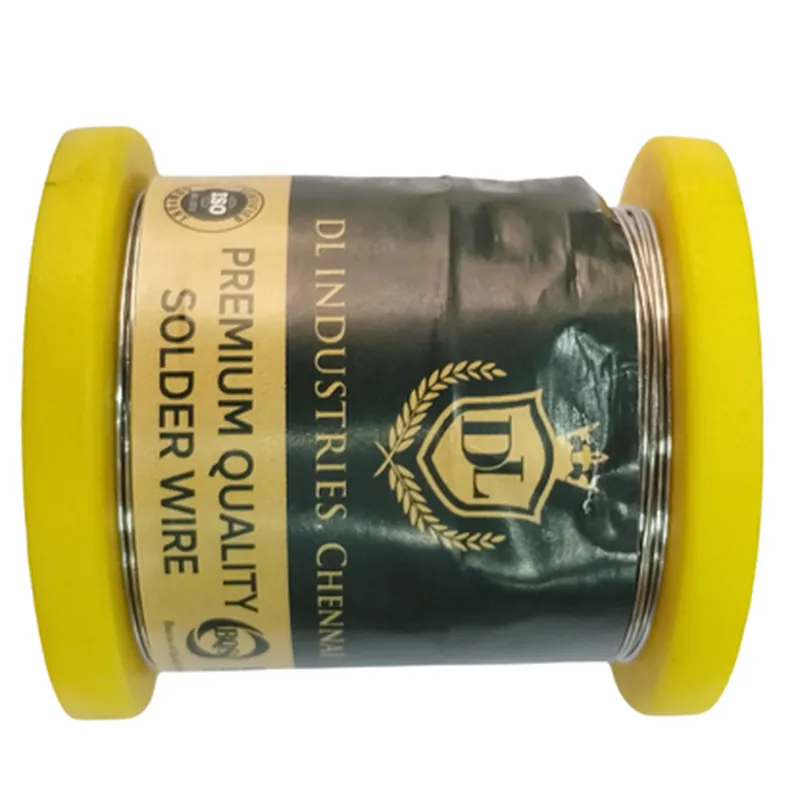
  • 500g Weight: The solder is packaged in a 500g spool, providing a sufficient amount of material for various projects and applications.
  • Diameter: The solder has a diameter of 0.8mm (0.032 inches), making it suitable for most soldering irons and applications.
  • Lead-Free Option: The Soldering Lead (500g) is available in a lead-free version, making it compliant with RoHS (Restriction of Hazardous Substances) regulations.

Specifications

Melting Point

183C (361F)

Composition

60% Sn, 40% Pb

Flux Core

Yes

Weight

500g

Diameter

0.8mm (0.032 inches)

Lead-Free OptionAvailable

Applications

The Soldering Lead (500g) is suitable for a wide range of applications, including

Electronics assembly and prototyping

PCB assembly and repair

IoT devices and modules

Automotive and industrial electronics

Hobbyist projects and DIY electronics

Safety Precautions

Handle the solder in a well-ventilated area to avoid inhaling harmful fumes.

Wear protective gloves and eyewear when handling the solder.

Avoid ingesting or inhaling the solder, as it may contain hazardous materials.

Follow proper soldering techniques and safety guidelines to avoid injury or damage.

Packaging and Storage

The Soldering Lead (500g) is packaged in a protective spool or reel, ensuring the solder remains clean and free from contamination. Store the solder in a dry, cool place, away from direct sunlight and moisture.

Pin Configuration

  • Soldering Lead (500g) Component Documentation
  • Overview
  • The Soldering Lead (500g) is a high-quality, heavy-duty soldering lead designed for reliable and efficient soldering applications in various industries, including electronics, automotive, and aerospace. This component is supplied in a 500g pack, ensuring a steady supply of leads for your soldering needs.
  • Pin Structure and Connection Guide
  • The Soldering Lead (500g) features a standard pin structure, making it easy to use and connect. Below is a detailed explanation of each pin and how to connect them:
  • Pin 1: Wire Core
  • Function: Carries the electrical signal or current required for soldering.
  • Connection: Connect the wire core to the soldering iron or soldering station.
  • Important: Ensure a secure connection to prevent voltage drops and heat damage.
  • Pin 2: Insulation
  • Function: Provides electrical insulation to prevent short circuits and electrical shocks.
  • Connection: No connection required. The insulation is designed to protect the user and the device from electrical hazards.
  • Pin 3: Flux Core
  • Function: Contains the flux material that helps remove oxidation and promotes strong solder bonds.
  • Connection: No connection required. The flux core is integrated into the soldering lead and is activated when the soldering iron is applied.
  • Pin 4: Solder Alloy
  • Function: The solder alloy is the primary material used for soldering, comprising a mixture of metals (e.g., tin, lead, silver) with a specific melting point.
  • Connection: No connection required. The solder alloy is the core material of the soldering lead and is melted when the soldering iron is applied.
  • Connection Structure:
  • To connect the Soldering Lead (500g), follow these steps:
  • 1. Trim the insulation: Carefully remove the insulation from the wire core using wire strippers or a utility knife, exposing the required length of wire core.
  • 2. Insert into soldering iron or station: Insert the exposed wire core into the soldering iron or station, ensuring a secure connection.
  • 3. Apply heat: Apply heat to the soldering lead using the soldering iron or station, melting the solder alloy and flux core.
  • 4. Solder the joint: Use the melted solder to join the components, ensuring a strong and reliable bond.
  • Safety Precautions:
  • When working with the Soldering Lead (500g), always follow proper safety protocols:
  • Wear protective gear, including gloves, safety glasses, and a face shield.
  • Ensure a well-ventilated workspace to prevent inhalation of fumes.
  • Avoid touching the hot soldering iron or lead with bare hands.
  • Follow proper soldering techniques to prevent electrical shock or shorts.
  • By following these guidelines, you can ensure safe and effective use of the Soldering Lead (500g) for your soldering applications.

Code Examples

Soldering Lead (500g) Documentation
Overview
The Soldering Lead (500g) is a high-quality soldering alloy wire designed for use in electronic assembly, repair, and prototyping applications. This lead-free solder wire is composed of a tin-silver-copper alloy, providing a strong and reliable bond between components.
Specifications
Material: Tin-Silver-Copper alloy (Sn96.5-Ag3-Cu0.5)
 Melting Point: 217C (423F)
 Wire Diameter: 0.8mm (0.032")
 Weight: 500g (1.1 lbs)
 Flux Core: Rosin-based core for clean and residue-free soldering
Using the Soldering Lead (500g) in Various Contexts
### Example 1: Soldering a Through-Hole Component
In this example, we will demonstrate how to use the Soldering Lead (500g) to solder a through-hole component, such as a resistor, onto a printed circuit board (PCB).
Required Materials:
Soldering Lead (500g)
 Through-hole component (e.g., resistor)
 PCB
 Soldering iron and stand
 Wire cutters and strippers
Code Example (Python):
```
# Not applicable, as this is a physical assembly process
```
Procedure:
1. Prepare the PCB and through-hole component.
2. Cut a suitable length of the Soldering Lead (500g) wire.
3. Strip the insulation from the wire ends using wire strippers.
4. Apply a small amount of flux to the PCB pad and component leads.
5. Place the component onto the PCB, ensuring proper alignment.
6. Apply heat to the joint using a soldering iron, and feed the Soldering Lead (500g) wire into the joint.
7. Remove heat and allow the solder to solidify.
### Example 2: Soldering a Surface-Mount Device (SMD)
In this example, we will demonstrate how to use the Soldering Lead (500g) to solder a surface-mount device (SMD), such as a chip resistor, onto a PCB.
Required Materials:
Soldering Lead (500g)
 SMD component (e.g., chip resistor)
 PCB
 Soldering iron and stand
 Tweezers
 Magnifying glass or microscope (optional)
Code Example (Python):
```
# Not applicable, as this is a physical assembly process
```
Procedure:
1. Prepare the PCB and SMD component.
2. Apply a small amount of flux to the PCB pad.
3. Place the SMD component onto the PCB, ensuring proper alignment.
4. Apply heat to the joint using a soldering iron, and feed the Soldering Lead (500g) wire into the joint.
5. Use tweezers to hold the component in place, if necessary.
6. Remove heat and allow the solder to solidify.
7. Inspect the joint under a magnifying glass or microscope, if desired.
### Example 3: Repairing a Broken Solder Joint
In this example, we will demonstrate how to use the Soldering Lead (500g) to repair a broken solder joint on a PCB.
Required Materials:
Soldering Lead (500g)
 PCB with broken solder joint
 Soldering iron and stand
 Wire cutters and strippers
Code Example (Python):
```
# Not applicable, as this is a physical repair process
```
Procedure:
1. Identify the broken solder joint and clean the area.
2. Apply a small amount of flux to the joint.
3. Cut a suitable length of the Soldering Lead (500g) wire.
4. Strip the insulation from the wire ends using wire strippers.
5. Apply heat to the joint using a soldering iron, and feed the Soldering Lead (500g) wire into the joint.
6. Remove heat and allow the solder to solidify.
7. Inspect the repaired joint to ensure a strong and reliable bond.