12V Cold White 5050 SMD LED Strip Flexible 5M/Roll Non-Waterproof (5 Meter)


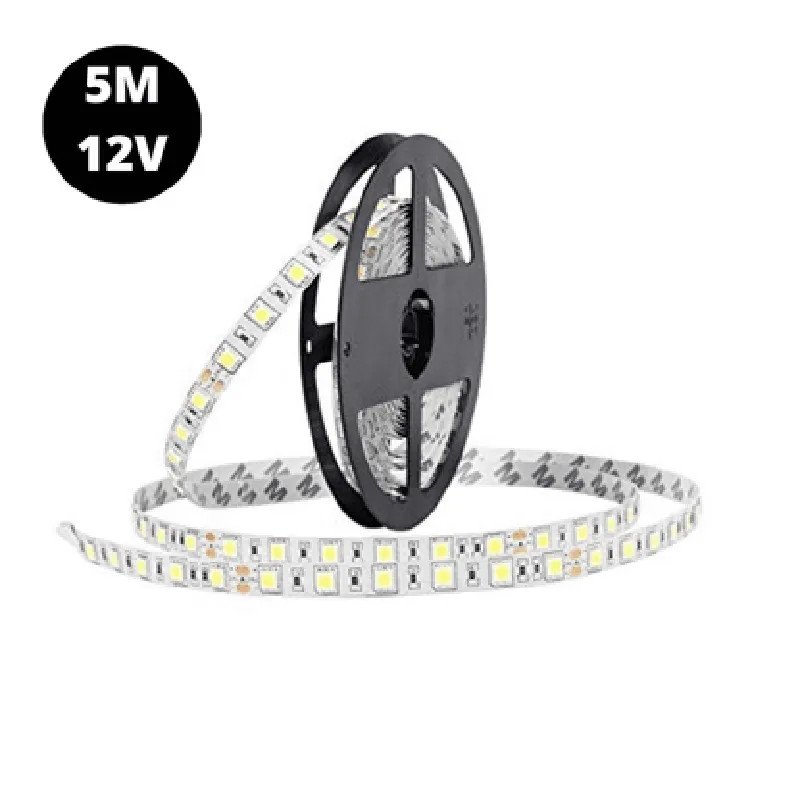
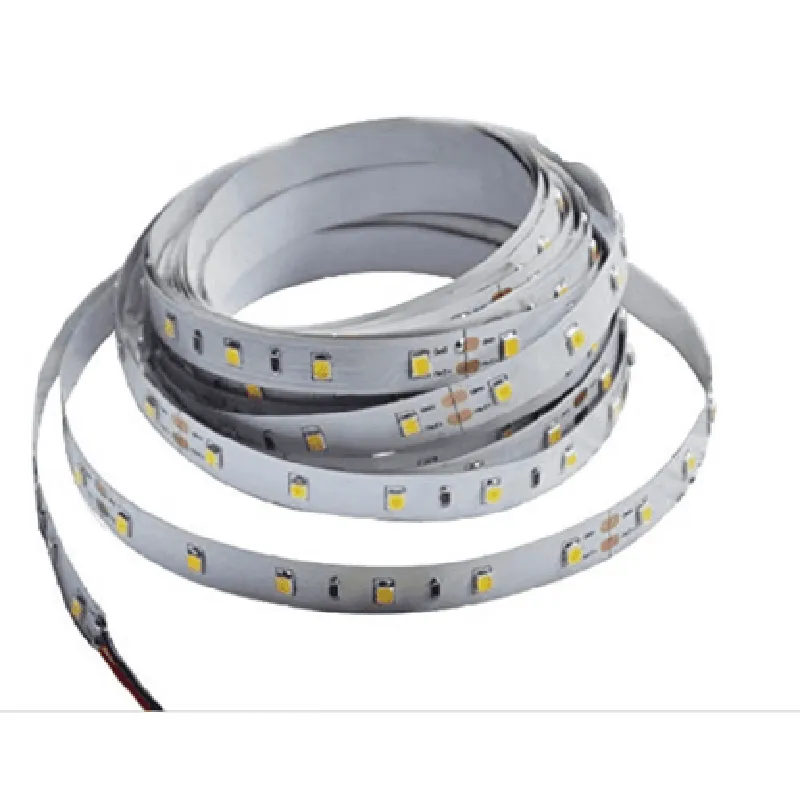
12V Cold White 5050 SMD LED Strip Flexible 5M/Roll Non-Waterproof (5 Meter)
The 12V Cold White 5050 SMD LED Strip is a flexible, 5-meter long LED strip light designed for various lighting applications. It consists of 5050 surface-mount devices (SMD) LEDs, mounted on a flexible printed circuit board (PCB), which provides flexibility and ease of use.
| The 12V Cold White 5050 SMD LED Strip is designed to provide cold white lighting (typically 5000-6500K) in various applications, such as |
Decorative lighting
Ambient lighting
Task lighting
Backlighting
Signage lighting
12V DC
4.8W/m
5050 SMD
5000-6500K (Cold White)
240-280 lm/m
120
-20C to 50C
-20C to 60C
10mm x 5m (width x length)
Interior lighting
Exterior lighting (non-wet environments)
Signage lighting
Display lighting
DIY lighting projects
Avoid exposure to moisture or water.
Handle the LED strip with care to avoid damaging the flexible PCB.
Ensure proper installation and connection to avoid electrical shock or fire hazards.
Follow the manufacturer's instructions for use and installation.
Component Documentation: 12V Cold White 5050 SMD LED Strip Flexible 5M/Roll Non-Waterproof (5 Meter)OverviewThe 12V Cold White 5050 SMD LED Strip is a flexible, non-waterproof LED strip designed for indoor use. It consists of 5050 SMD LEDs, which provide high brightness and energy efficiency. The strip is 5 meters long and comes with a 3M adhesive backing for easy installation.Technical SpecificationsVoltage: 12V DC
LED Type: 5050 SMD
Color Temperature: Cold White (6000K-6500K)
Lumen per Meter: 120-140LM
LED Density: 60 LEDs per Meter
Strips per Roll: 1
Length per Roll: 5 Meters
Width: 10mm
Thickness: 2.5mm
Operating Temperature: -20C to 60C
Connection: 2-pin JST connectorCode Examples### Example 1: Basic LED Strip Control using ArduinoIn this example, we will connect the LED strip to an Arduino board and control its brightness using a potentiometer.Hardware RequirementsArduino Uno or compatible board
12V Cold White 5050 SMD LED Strip
Potentiometer (10k)
Breadboard and jumper wiresCode
```c++
const int ledPin = 9; // Pin 9 for LED strip control
const int potPin = A0; // Pin A0 for potentiometer inputvoid setup() {
pinMode(ledPin, OUTPUT);
}void loop() {
int val = analogRead(potPin); // Read potentiometer value
int brightness = map(val, 0, 1023, 0, 255); // Map value to 0-255 range
analogWrite(ledPin, brightness); // Set LED strip brightness
delay(10);
}
```
### Example 2: LED Strip Control using Raspberry Pi and PythonIn this example, we will connect the LED strip to a Raspberry Pi and control its brightness using a Python script.Hardware RequirementsRaspberry Pi (any model)
12V Cold White 5050 SMD LED Strip
Breadboard and jumper wiresCode
```python
import RPi.GPIO as GPIO
import time# Set up GPIO library
GPIO.setmode(GPIO.BCM)
GPIO.setup(18, GPIO.OUT) # Pin 18 for LED strip controltry:
while True:
# Fade in and out
for i in range(0, 100, 5):
GPIO.PWM(18, 50).start(i)
time.sleep(0.05)
for i in range(100, 0, -5):
GPIO.PWM(18, 50).start(i)
time.sleep(0.05)except KeyboardInterrupt:
GPIO.cleanup()
```
Note: In both examples, make sure to use a 12V power supply and a suitable current limiting resistor to prevent damage to the LED strip or the control circuitry.Safety PrecautionsHandle the LED strip with care to avoid damaging the SMD LEDs or the flexible PCB.
Keep the LED strip away from water and moisture to prevent damage.
Use a 12V power supply with a suitable current rating to power the LED strip.
Avoid overclocking or over-driving the LED strip, as it may cause damage or reduce its lifespan.