Double Shaft Motor


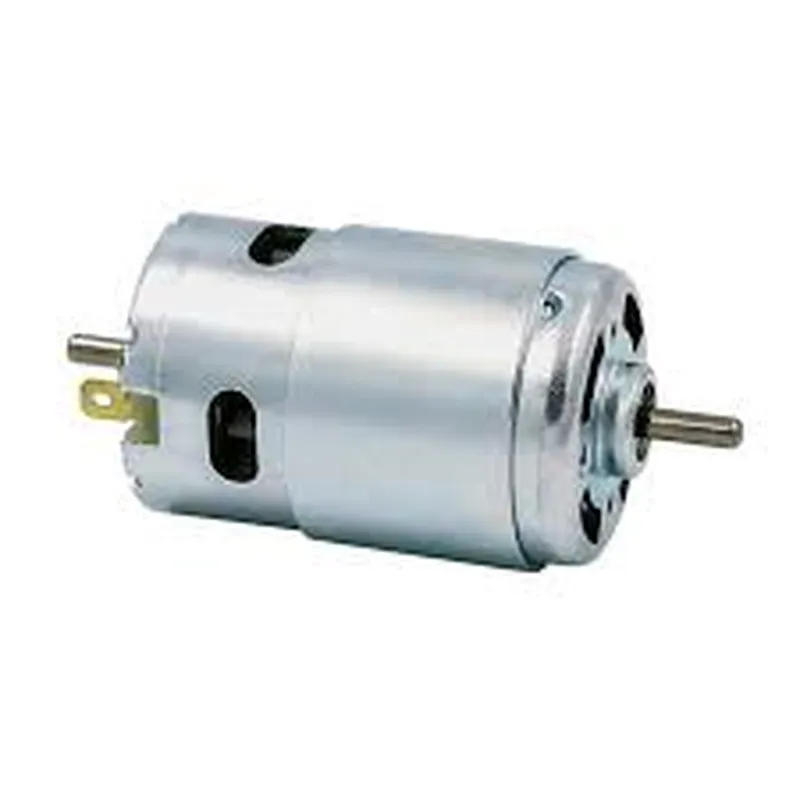
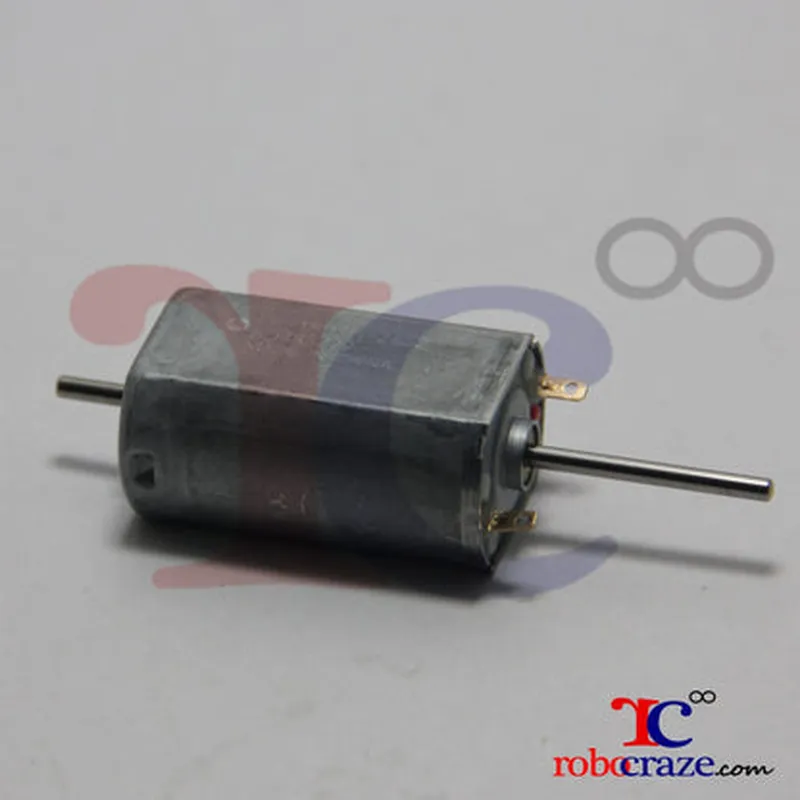
Double Shaft Motor
A Double Shaft Motor is a type of DC motor that features two shafts, one at each end of the motor, which allows for the simultaneous rotation of two separate components or mechanisms. This design enables the motor to power multiple devices or components, making it an ideal solution for various applications in the Internet of Things (IoT) and robotics.
| The primary function of a Double Shaft Motor is to convert electrical energy into mechanical energy, which is then transmitted to two separate shafts. Each shaft rotates independently, allowing for the simultaneous operation of two devices or mechanisms. This enables the motor to |
Power two separate components, such as wheels, gears, or pumps
Increase efficiency and productivity in applications that require simultaneous operation of multiple devices
Simplify mechanical designs by reducing the need for additional motors or complex gear systems
6V - 24V DC
1A - 5A
100 RPM - 1000 RPM
1 kg-cm - 10 kg-cm
2mm - 6mm
20mm x 30mm x 60mm (L x W x H)
| Double Shaft Motors are suitable for a wide range of applications, including |
Robotics and robotic arms
Automated guided vehicles (AGVs)
Medical devices and equipment
Industrial automation and manufacturing
IoT devices and smart home systems
Aerospace and defense applications
The Double Shaft Motor is a versatile and powerful component that offers a unique set of features and benefits, making it an ideal solution for various applications in the IoT and robotics industries. Its compact design, high torque output, and adjustable speed make it a popular choice for designers and engineers.
Double Shaft Motor DocumentationOverviewThe double shaft motor is a type of DC motor that features two separate shafts, one for each motor, allowing for independent control of two loads or mechanisms. This component is commonly used in robotics, automation, and other applications where simultaneous control of two motors is required.Technical SpecificationsOperating Voltage: 6V - 12V
Current: 500mA - 1A per motor
Speed: 100 - 300 RPM
Shaft Diameter: 3mm
Shaft Length: 10mm
Motor Size: 28 x 20 x 15mmConnectionsThe double shaft motor has six terminals:M1+ and M1-: Motor 1 positive and negative terminals
M2+ and M2-: Motor 2 positive and negative terminals
VCC: Power supply positive terminal
GND: Power supply ground terminalCode Examples### Example 1: Basic Motor Control using ArduinoIn this example, we will control the speed and direction of both motors using an Arduino board.```c
const int motor1Forward = 2; // M1+ connected to digital pin 2
const int motor1Backward = 3; // M1- connected to digital pin 3
const int motor2Forward = 4; // M2+ connected to digital pin 4
const int motor2Backward = 5; // M2- connected to digital pin 5void setup() {
pinMode(motor1Forward, OUTPUT);
pinMode(motor1Backward, OUTPUT);
pinMode(motor2Forward, OUTPUT);
pinMode(motor2Backward, OUTPUT);
}void loop() {
// Move motor 1 forward at 50% speed
analogWrite(motor1Forward, 128);
digitalWrite(motor1Backward, LOW);// Move motor 2 backward at 25% speed
analogWrite(motor2Backward, 64);
digitalWrite(motor2Forward, LOW);delay(1000);// Stop both motors
digitalWrite(motor1Forward, LOW);
digitalWrite(motor1Backward, LOW);
digitalWrite(motor2Forward, LOW);
digitalWrite(motor2Backward, LOW);delay(1000);
}
```### Example 2: Motor Control using Raspberry Pi and PythonIn this example, we will use the Raspberry Pi's GPIO library to control the motors using Python.```python
import RPi.GPIO as GPIO
import time# Set up GPIO mode
GPIO.setmode(GPIO.BCM)# Define motor pins
M1_FORWARD = 17
M1_BACKWARD = 23
M2_FORWARD = 24
M2_BACKWARD = 25# Set up motor pins as outputs
GPIO.setup(M1_FORWARD, GPIO.OUT)
GPIO.setup(M1_BACKWARD, GPIO.OUT)
GPIO.setup(M2_FORWARD, GPIO.OUT)
GPIO.setup(M2_BACKWARD, GPIO.OUT)try:
while True:
# Move motor 1 forward at 50% speed
GPIO.output(M1_FORWARD, GPIO.HIGH)
GPIO.output(M1_BACKWARD, GPIO.LOW)# Move motor 2 backward at 25% speed
GPIO.output(M2_BACKWARD, GPIO.HIGH)
GPIO.output(M2_FORWARD, GPIO.LOW)time.sleep(1)# Stop both motors
GPIO.output(M1_FORWARD, GPIO.LOW)
GPIO.output(M1_BACKWARD, GPIO.LOW)
GPIO.output(M2_FORWARD, GPIO.LOW)
GPIO.output(M2_BACKWARD, GPIO.LOW)time.sleep(1)except KeyboardInterrupt:
GPIO.cleanup()
```Note: In both examples, the motor speed and direction can be adjusted by modifying the output values and polarities of the motor control pins. Additionally, the power supply voltage and current requirements should be ensured to match the motor's specifications.