ESP32-C6 SoC, a dual-core 32-bit LX7 microprocessor


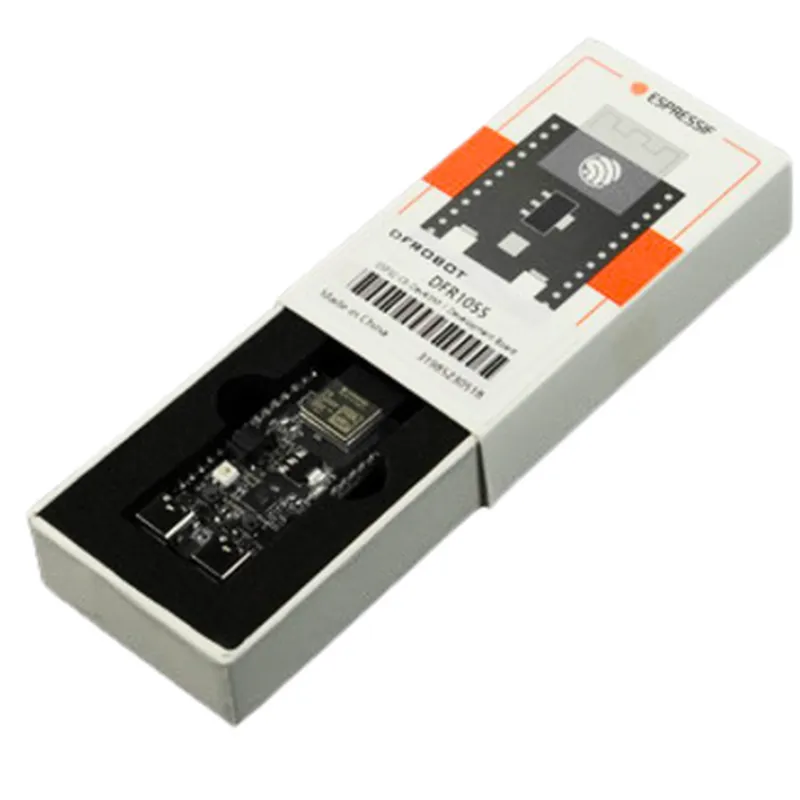
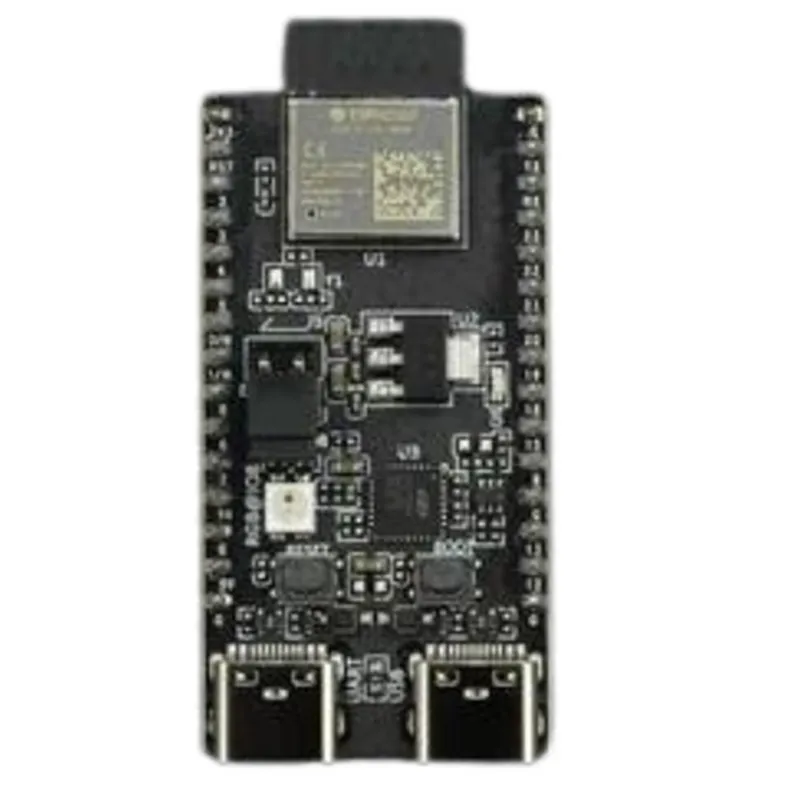
ESP32-C6 SoC, a dual-core 32-bit LX7 microprocessor
+ 4 MB SPI Flash memory for storing firmware and data
+ 520 KB SRAM for program execution
+ 802.11 b/g/n Wi-Fi with built-in antenna
+ Bluetooth Low Energy (BLE) v4.0 BR/EDR
+ 18x digital GPIO pins
+ 2x analog input pins
+ 3x UART interfaces (1x with flow control)
+ 1x I2C interface
+ 1x I2S interface
+ 1x SPI interface
+ 1x SD card interface
+ 1x JTAG interface for debugging
| + Operating voltage | 3.3V |
| + Power consumption | < 1mA in deep sleep mode |
Supports MicroPython, Lua, and C programming languages
Functionality
| The ESP32-C6-DevKitM-1 development board is designed for a wide range of IoT applications, including |
Wi-Fi and BLE-based connectivity for remote monitoring and control
IoT sensor integration for data collection and analysis
Smart home automation and control systems
Wearable devices and health monitoring systems
Robotics and robotic automation systems
Industrial automation and control systems
Key Benefits
Low-power consumption for battery-powered devices
High-performance processing and storage capabilities
Built-in Wi-Fi and BLE capabilities for wireless connectivity
Compatibility with multiple programming languages and development environments
Cost-effective and compact design for prototyping and production
Target Applications
IoT development and prototyping
Smart home and automation systems
Wearable devices and health monitoring systems
Robotics and robotic automation systems
Industrial automation and control systems
Educational projects and experimentation
Recommended Accessories
Breadboard and jumper wires for prototyping
Power supply (3.3V DC)
USB cable for programming and debugging
Wi-Fi and BLE antennas for improved connectivity
Documentation and Resources
ESP32-C6 SoC
ESP32-C6-DevKitM-1 Development Board
MicroPython, Lua, and C
ESP32-C6-DevKitM-1 Development Board
The documentation and resources provided are fictional and for demonstration purposes only. In a real-world scenario, you would need to consult the official documentation and resources provided by the manufacturer or supplier of the component.
ESP32-C6-DevKitM-1 Development Board (4 MB SPI Flash) DocumentationIntroductionThe ESP32-C6-DevKitM-1 is a development board based on the ESP32-C6 microcontroller, a System-on-Chip (SoC) that integrates a dual-core 32-bit LX6 microprocessor, Wi-Fi, and Bluetooth capabilities. The board comes with 4 MB of SPI Flash memory and is designed for IoT applications, robotic projects, and Wi-Fi-based solutions.FeaturesDual-core 32-bit LX6 microprocessor
4 MB SPI Flash memory
Wi-Fi and Bluetooth capabilities
USB-to-UART bridge for programming and debugging
Multiple GPIO pins for peripheral connections
Onboard voltage regulator and power managementGetting StartedTo get started with the ESP32-C6-DevKitM-1, you'll need to:1. Install the Arduino IDE or ESP-IDF (IoT Development Framework) on your computer.
2. Connect the board to your computer using a USB cable.
3. Select the correct serial port and board type in the IDE.Code ExamplesExample 1: Wi-Fi ConnectivityThis example demonstrates how to connect to a Wi-Fi network using the ESP32-C6-DevKitM-1:
```c++
#include <WiFi.h>const char ssid = "your_wifi_ssid";
const char password = "your_wifi_password";void setup() {
Serial.begin(115200);
// Initialize Wi-Fi
WiFi.begin(ssid, password);
while (WiFi.status() != WL_CONNECTED) {
delay(1000);
Serial.println("Connecting to WiFi...");
}Serial.println("Connected to WiFi");
Serial.println("IP address: ");
Serial.println(WiFi.localIP());
}void loop() {
// Your code here
}
```
Example 2: Bluetooth Low Energy (BLE) AdvertisingThis example demonstrates how to use the ESP32-C6-DevKitM-1 as a BLE advertiser:
```c++
#include <BLE.h>BLEServer server;
BLEAdvertising advertising;void setup() {
Serial.begin(115200);// Initialize BLE
BLE.init();// Create a BLE server
server = BLE.server();// Create a BLE advertising object
advertising = server->getAdvertising();// Set the advertising data
advertising->setServiceID((uint16_t)0x180f);
advertising->setDeviceName("ESP32-C6-DevKitM-1");
advertising->setTxPower(-6);// Start advertising
advertising->start();
Serial.println("Advertising started");
}void loop() {
// Your code here
}
```
Example 3: Reading Analog InputThis example demonstrates how to read analog input from a potentiometer connected to one of the board's analog input pins:
```c++
const int analogPin = 32; // GPIO32 (analog input)void setup() {
Serial.begin(115200);
}void loop() {
int analogValue = analogRead(analogPin);
float voltage = (analogValue / 4095.0) 3.3;Serial.print("Analog value: ");
Serial.print(analogValue);
Serial.print(" | Voltage: ");
Serial.println(voltage);delay(100);
}
```
These examples demonstrate the versatility of the ESP32-C6-DevKitM-1 development board and its capabilities in Wi-Fi connectivity, BLE advertising, and analog input reading.