

Stufin
Home Quick Cart Profile

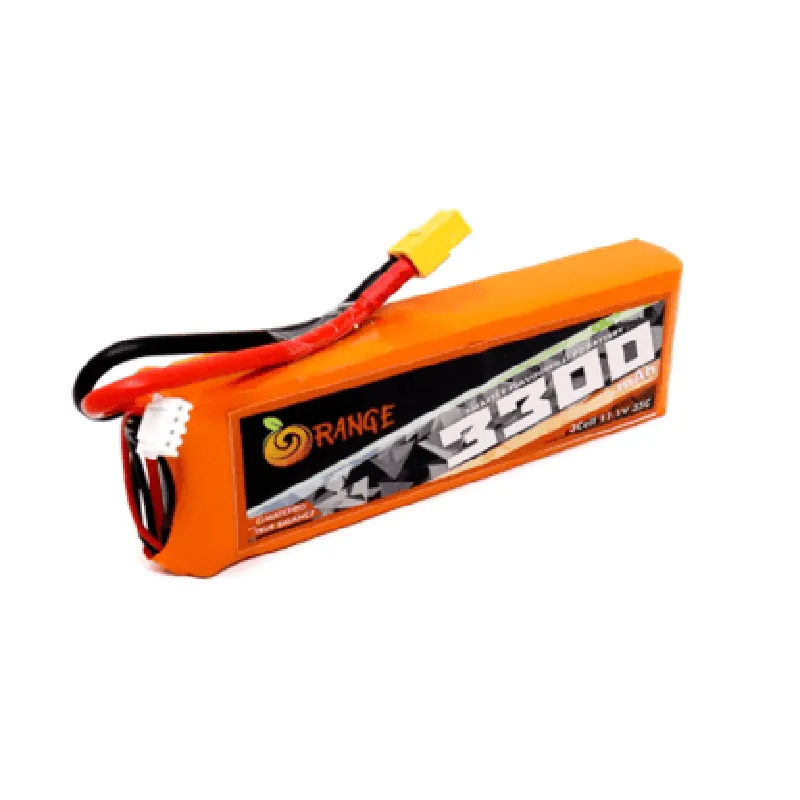
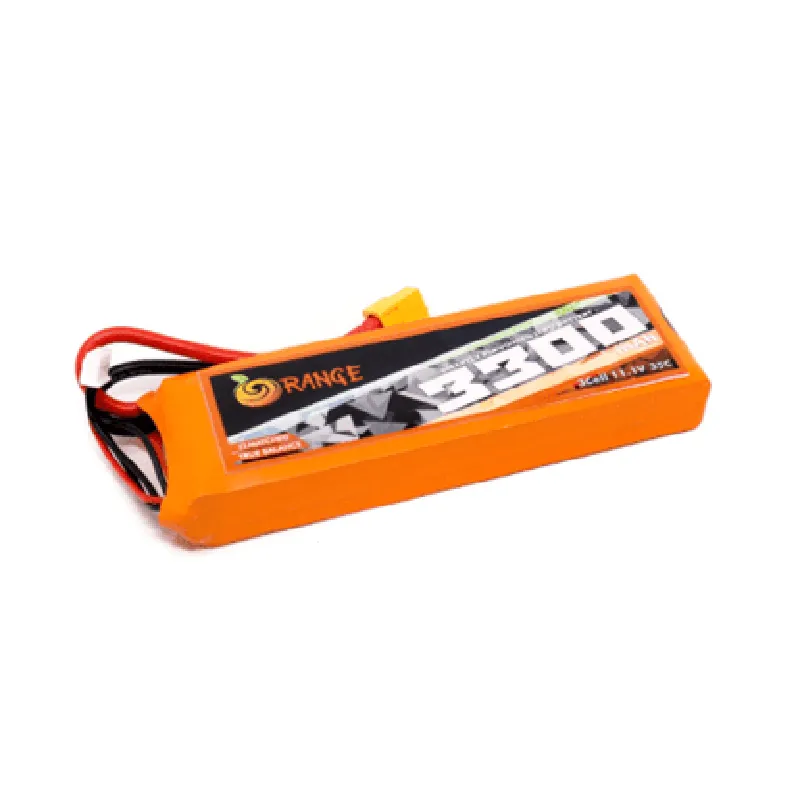
11.1 V 3300mah 3S 35C-80C Lithium Polymer Battery

Buy Now on Stufin

Component Name

11.1 V 3300mah 3S 35C-80C Lithium Polymer Battery

Overview

The 11.1 V 3300mah 3S 35C-80C Lithium Polymer Battery is a high-performance rechargeable battery designed for use in various Internet of Things (IoT) applications, drones, and other electronic devices. This LiPo battery offers a reliable power source with a high energy density, long cycle life, and excellent discharge rates.

Functionality

The primary function of this Lithium Polymer Battery is to store electrical energy and supply it to connected devices as needed. The battery's 3S configuration means it has three cells connected in series, which provides a nominal voltage of 11.1V. This voltage is suitable for a wide range of applications, including IoT devices, quadcopters, and other power-hungry devices.

Key Features

  • Nominal Voltage: 11.1V
  • Capacity: 3300mAh
  • Configuration: 3S (Three cells connected in series)
  • Discharge Rate: 35C (Maximum discharge current: 115.5A)
  • Operating Temperature: 35C to 80C
  • Cycle Life: Up to 300 charge/discharge cycles
  • High Energy Density: The battery's high energy density allows for a compact design without compromising performance
  • Lightweight: The Lithium Polymer construction ensures a low weight-to-capacity ratio, making it ideal for applications where weight is a concern
  • Short Circuit Protection: The battery is designed with built-in protection against short circuits, which helps prevent damage to the battery or connected devices
  • Compliance: Meets or exceeds industry standards for safety and performance, including UN38.3 and IEC 62133

Physical Characteristics

  • Dimensions: [Insert dimensions, e.g., 105mm x 35mm x 25mm]
  • Weight: [Insert weight, e.g., 250g]
  • Connector: [Insert connector type, e.g., JST-XH]

Safety Precautions

When working with Lithium Polymer batteries, it is essential to follow proper safety precautions to avoid accidents and ensure safe operation

Never overcharge or over-discharge the battery

Avoid short circuits and improper connections

Keep the battery away from children and pets

Store the battery in a cool, dry place

Dispose of the battery according to local regulations and guidelines

Applications

The 11.1 V 3300mah 3S 35C-80C Lithium Polymer Battery is suitable for a wide range of applications, including

IoT devices

Drones and quadcopters

Robotics

Electric vehicles

Renewable energy systems

Medical devices

By providing a reliable and efficient power source, this battery component enables the development of innovative IoT solutions and other devices that require high-performance power storage.

Pin Configuration

  • 11.1 V 3300mah 3S 35C-80C Lithium Polymer Battery Documentation
  • Pins and Connections
  • The 11.1 V 3300mah 3S 35C-80C Lithium Polymer Battery has three pins, each serving a specific purpose. Below is a detailed explanation of each pin and how to connect them:
  • Pin 1: Positive Terminal (+)
  • Function: Supplies power to the load (device or circuit)
  • Voltage: 11.1 V (nominal voltage of the 3S Li-Poly battery)
  • Current Capacity: 3300 mAh
  • Connect to: Load positive terminal (e.g., VCC pin of a microcontroller or positive terminal of a DC-DC converter)
  • Pin 2: Negative Terminal (-)
  • Function: Returns current from the load to the battery
  • Voltage: 0 V (ground reference)
  • Current Capacity: 3300 mAh
  • Connect to: Load negative terminal (e.g., GND pin of a microcontroller or negative terminal of a DC-DC converter)
  • Pin 3: Balance Lead (B)
  • Function: Monitors individual cell voltages to ensure balanced charging and prevent overcharging
  • Connect to: A balance charger or a battery management system (BMS) that supports 3S Li-Poly batteries
  • Note: The balance lead is not meant to be connected to the load or any other component. It is exclusively for charging and monitoring purposes.
  • Connection Structure:
  • To connect the battery to your device or circuit, follow these steps:
  • 1. Connect the Positive Terminal (+) (Pin 1) to the positive terminal of your load (e.g., VCC pin of a microcontroller).
  • 2. Connect the Negative Terminal (-) (Pin 2) to the negative terminal of your load (e.g., GND pin of a microcontroller).
  • 3. Connect the Balance Lead (B) (Pin 3) to a balance charger or a BMS that supports 3S Li-Poly batteries. Ensure the charger or BMS is set to the correct battery type and configuration.
  • Important Safety Considerations:
  • Always handle Li-Poly batteries with care, as they can be prone to overheating, explosion, or fire if not handled properly.
  • Ensure the battery is charged and discharged within the recommended voltage and current limits.
  • Avoid short-circuiting the battery or connecting it to a circuit that is not designed for Li-Poly batteries.
  • Follow proper charging and storage procedures to maintain the battery's health and longevity.
  • By following these guidelines, you can safely and effectively connect your 11.1 V 3300mah 3S 35C-80C Lithium Polymer Battery to your device or circuit.

Code Examples

Component Documentation: 11.1 V 3300mah 3S 35C-80C Lithium Polymer Battery
Overview
The 11.1 V 3300mah 3S 35C-80C Lithium Polymer Battery is a high-performance rechargeable battery designed for use in various IoT applications, robotics, and drones. This battery features a high capacity of 3300mAh, a nominal voltage of 11.1V, and a discharge rate of 35C. It operates within a temperature range of 35C to 80C, making it suitable for demanding applications.
Characteristics
Nominal Voltage: 11.1V
 Capacity: 3300mAh
 Discharge Rate: 35C
 Operating Temperature: 35C to 80C
 Number of Cells: 3S (3 cells in series)
 Chemistry: Lithium Polymer (LiPo)
Connections and Pinout
The battery has three connectors:
Positive Terminal (V+): Red wire
 Negative Terminal (V-): Black wire
 Balance Lead: White wire (for balancing the cells during charging)
Code Examples
Example 1: Using the Battery with an Arduino Board
In this example, we'll demonstrate how to use the battery to power an Arduino board and read the battery voltage using an analog input.
```c++
const int voltagePin = A0; // Analog input pin for reading battery voltage
const float voltageReference = 5.0; // Reference voltage for the analog input
void setup() {
  Serial.begin(9600);
}
void loop() {
  int voltageReading = analogRead(voltagePin);
  float batteryVoltage = voltageReading  (voltageReference / 1023.0)  (11.1 / 4.2);
  Serial.print("Battery Voltage: ");
  Serial.print(batteryVoltage);
  Serial.println(" V");
  delay(1000);
}
```
Example 2: Using the Battery with a Drone Flight Controller
In this example, we'll demonstrate how to use the battery to power a drone flight controller and monitor the battery voltage and remaining capacity.
```c++
#include <DFRobot_Battery.h>
DFRobot_Battery battery(A0, 11.1, 3300); // Initialize the battery object
void setup() {
  Serial.begin(9600);
}
void loop() {
  float voltage = battery.readVoltage();
  float capacity = battery.readCapacity();
  Serial.print("Battery Voltage: ");
  Serial.print(voltage);
  Serial.println(" V");
  Serial.print("Battery Capacity: ");
  Serial.print(capacity);
  Serial.println(" %");
  delay(1000);
}
```
Important Notes
Always follow proper safety guidelines when handling and charging lithium polymer batteries.
 Ensure the battery is used within its recommended operating temperature range.
 Monitor the battery voltage and capacity to prevent over-discharge or over-charge.
 Use a suitable charger and follow the manufacturer's charging guidelines.
By following these guidelines and using the provided code examples, you can successfully integrate the 11.1 V 3300mah 3S 35C-80C Lithium Polymer Battery into your IoT projects, robotics, or drone applications.