Stufin
Home Quick Cart Profile

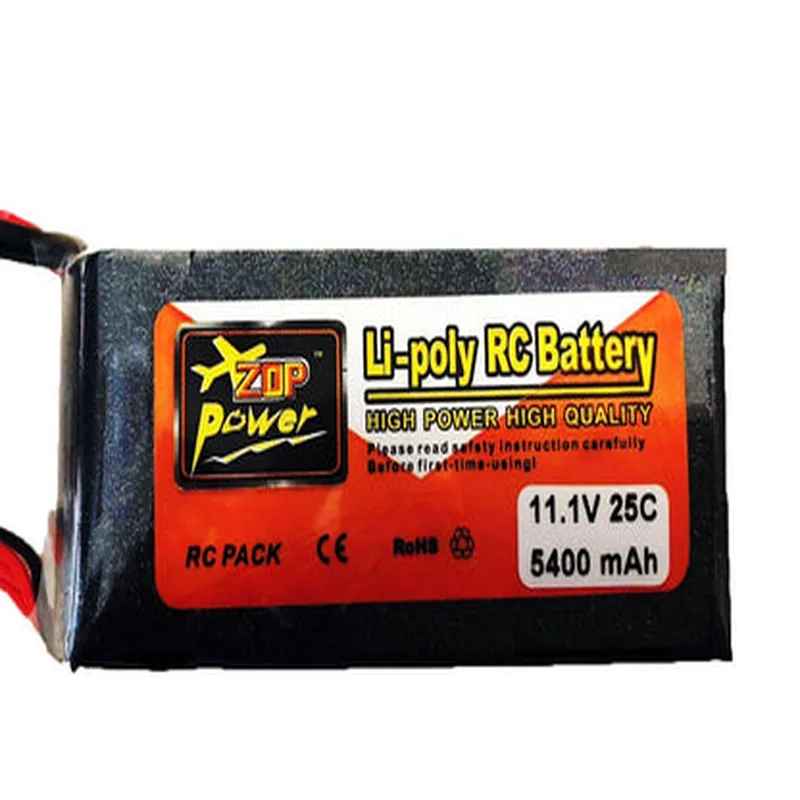
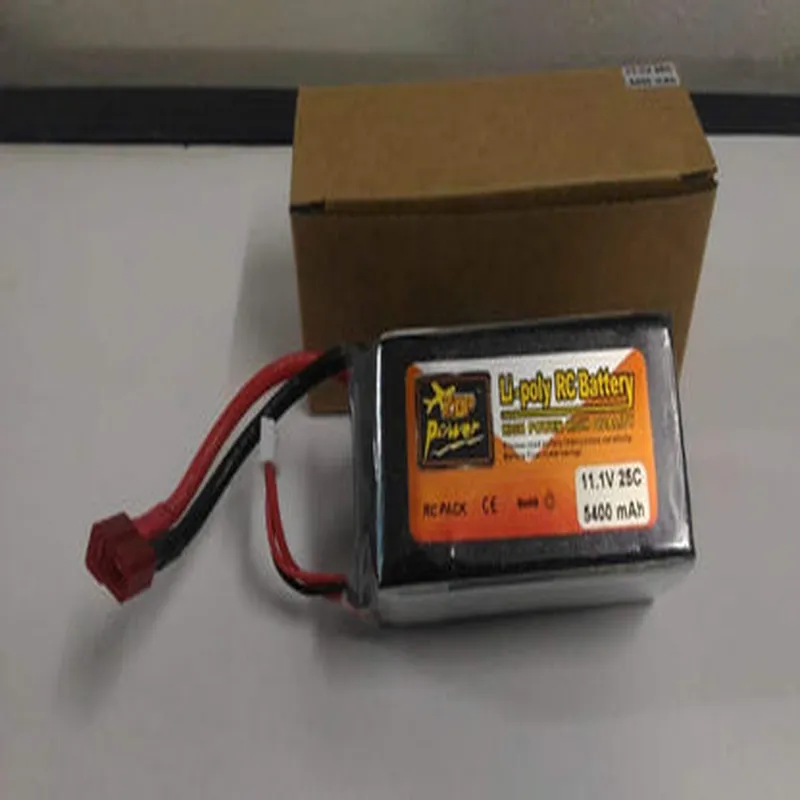
11.1V 5400mAH LiPo Battery

Buy Now on Stufin

Pin Configuration

  • 11.1V 5400mAH LiPo Battery Documentation
  • Pinout Description
  • The 11.1V 5400mAH LiPo Battery has a standard connector with multiple pins, each serving a specific purpose. Understanding the pinout is crucial for safe and proper connection to your IoT project. Below is a detailed description of each pin:
  • Pin 1: Positive Terminal (+) (Red Wire)
  • Function: Supplies power to the load (project/device)
  • Voltage: 11.1V (nominal voltage of the LiPo battery)
  • Current Capacity: Up to 5400mAh (dependent on discharge rate and load)
  • Pin 2: Negative Terminal (-) (Black Wire)
  • Function: Returns power from the load (project/device) to the battery
  • Voltage: 0V (ground reference)
  • Current Capacity: Up to 5400mAh (dependent on discharge rate and load)
  • Pin 3: Battery Protection System (BPS) or Balance Connector
  • Function: Monitors and controls the charging/discharging process to prevent overcharge, over-discharge, and short-circuit protection
  • Signal: Typically a 1-wire or 2-wire communication protocol (dependent on the BPS chip used)
  • Note: The BPS pin is usually connected to a dedicated charging IC or a microcontroller for monitoring and controlling the battery's State of Charge (SoC)
  • Pin 4: Thermistor or Temperature Sensor
  • Function: Monitors the battery's internal temperature to prevent overheating during charging/discharging
  • Signal: Typically an analog voltage signal proportional to the temperature (dependent on the thermistor's characteristics)
  • Note: This pin is usually connected to a temperature monitoring IC or a microcontroller to ensure safe operation within the recommended temperature range
  • Connection Structure
  • When connecting the 11.1V 5400mAH LiPo Battery to your IoT project, follow these guidelines:
  • 1. Positive Terminal (+) (Red Wire): Connect to the power input of your project or device. Ensure the voltage rating of your project matches the battery's nominal voltage (11.1V).
  • 2. Negative Terminal (-) (Black Wire): Connect to the ground or negative terminal of your project or device.
  • 3. Battery Protection System (BPS) or Balance Connector: Connect to a dedicated charging IC or a microcontroller that supports the BPS communication protocol. This pin is crucial for safe and efficient charging/discharging.
  • 4. Thermistor or Temperature Sensor: Connect to a temperature monitoring IC or a microcontroller that can read the analog voltage signal. This pin helps prevent overheating and ensures safe operation.
  • Safety Precautions
  • When working with LiPo batteries, it's essential to follow proper safety guidelines to prevent damage, fire, or personal injury:
  • Handle the battery with care to avoid puncturing or damaging the internal components.
  • Avoid short-circuiting the battery terminals or connecting them to a metal object.
  • Use a LiPo battery charger specifically designed for the battery's chemistry and voltage rating.
  • Monitor the battery's temperature and State of Charge (SoC) to prevent overheating or overcharging.
  • Follow the manufacturer's guidelines for charging, discharging, and storing the battery.
  • By understanding the pinout and following the connection structure and safety precautions, you can ensure safe and efficient operation of your IoT project with the 11.1V 5400mAH LiPo Battery.

Code Examples

11.1V 5400mAH LiPo Battery Documentation
Overview
The 11.1V 5400mAH LiPo Battery is a high-capacity lithium-polymer battery designed for IoT and robotics applications. This battery provides a reliable power source for devices requiring high energy density and a long lifespan.
Technical Specifications
Nominal Voltage: 11.1V
 Capacity: 5400mAh
 Energy Density: 59.96Wh
 Dimensions: 105mm x 38mm x 25mm
 Weight: 240g
 Charging Cycles: >300 times
 Discharge Rate: 1C
 Operating Temperature: -20C to 45C
Interfaces and Connectors
Battery Connector: JST-XH 2-pin (compatible with most IoT boards and devices)
Code Examples
### Example 1: Arduino LiPo Battery Monitoring
This example demonstrates how to use the 11.1V 5400mAH LiPo Battery with an Arduino board to monitor the battery voltage and capacity.
```c++
#include <Arduino.h>
#define BATTERY_PIN A0 // Analog input pin for voltage measurement
void setup() {
  Serial.begin(9600);
}
void loop() {
  int voltageReading = analogRead(BATTERY_PIN);
  float voltage = voltageReading  (11.1 / 1023.0);
  float capacity = (voltage / 11.1)  100; // Calculate capacity as a percentage
Serial.print("Battery Voltage: ");
  Serial.print(voltage);
  Serial.println("V");
  Serial.print("Battery Capacity: ");
  Serial.print(capacity);
  Serial.println("%");
  delay(1000);
}
```
In this example, the Arduino board reads the battery voltage from an analog input pin and calculates the capacity as a percentage based on the nominal voltage.
### Example 2: Raspberry Pi LiPo Battery Powering
This example demonstrates how to use the 11.1V 5400mAH LiPo Battery to power a Raspberry Pi single-board computer.
```python
import time
import RPi.GPIO as GPIO
GPIO.setmode(GPIO.BCM)
# Define the power enable pin for the Raspberry Pi
POWER_ENABLE_PIN = 17
GPIO.setup(POWER_ENABLE_PIN, GPIO.OUT)
try:
    while True:
        GPIO.output(POWER_ENABLE_PIN, GPIO.HIGH) # Enable power to the Raspberry Pi
        time.sleep(1)
except KeyboardInterrupt:
    GPIO.output(POWER_ENABLE_PIN, GPIO.LOW) # Disable power to the Raspberry Pi
GPIO.cleanup()
```
In this example, the Raspberry Pi is powered by the 11.1V 5400mAH LiPo Battery through a voltage regulator or a DC-DC converter (not shown). The Python script uses the RPi.GPIO library to control the power enable pin, allowing the Raspberry Pi to be powered on and off.
Note: Ensure proper voltage regulation and decoupling when using the 11.1V 5400mAH LiPo Battery with your IoT device or microcontroller. Additionally, follow proper safety precautions when handling lithium-ion batteries.