12V 2W Solenoid Valve


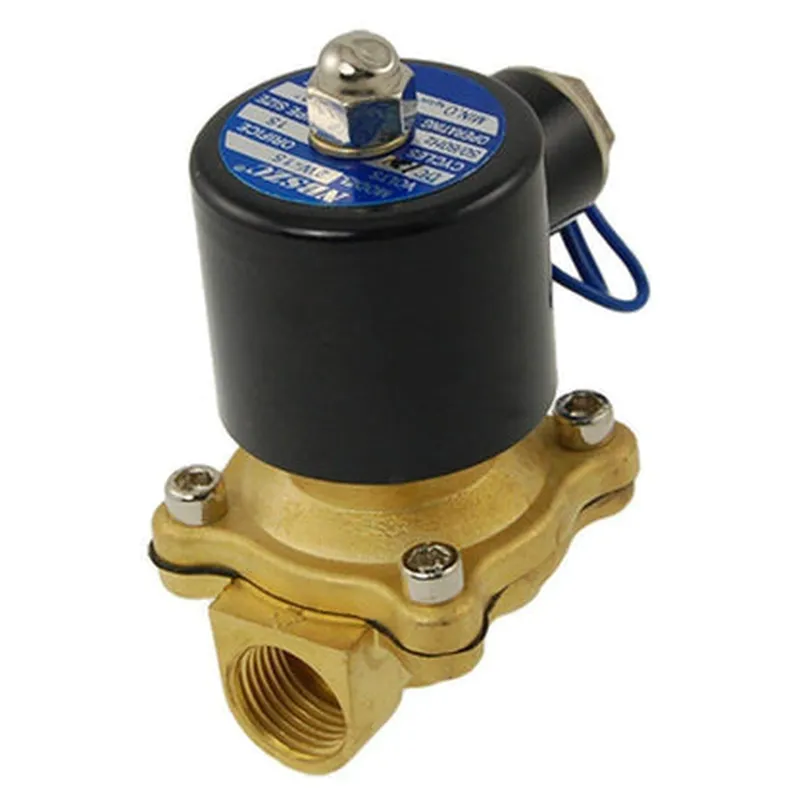
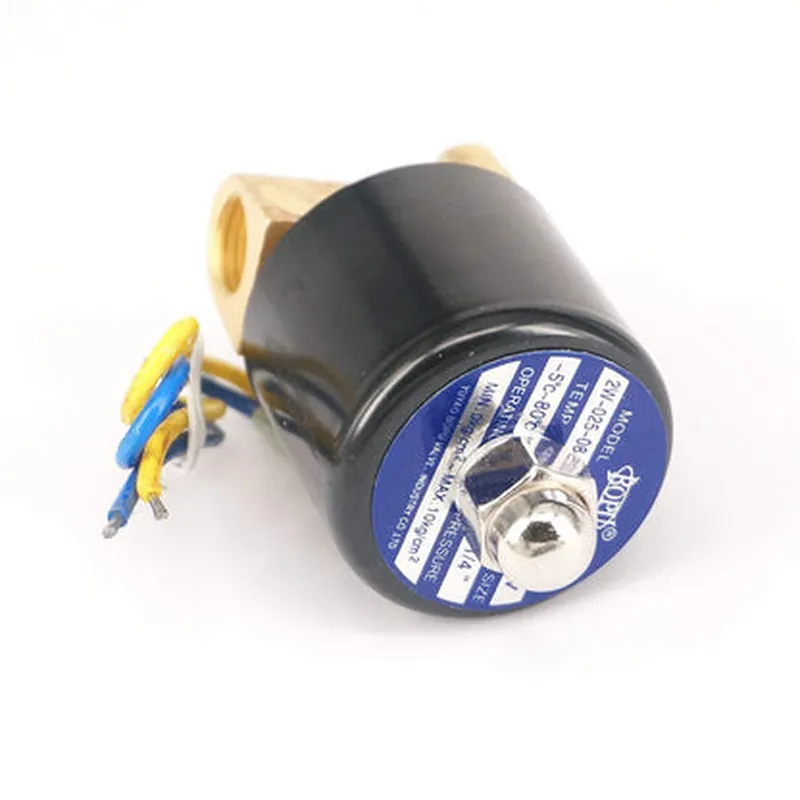
12V 2W Solenoid Valve
The 12V 2W Solenoid Valve is an electro-mechanically operated valve designed to control the flow of fluids, gases, or air in various industrial, commercial, and residential applications. This solenoid valve operates on a 12V DC power supply and consumes 2W of power, making it a compact and energy-efficient solution for automation and control systems.
The primary function of the 12V 2W Solenoid Valve is to regulate the flow of fluids or gases by opening or closing a valve in response to an electrical signal. When the valve is energized (i.e., 12V DC power is applied), the solenoid coil generates a magnetic field, which causes the valve to open, allowing fluid or gas to flow through the valve. Conversely, when the power is turned off, the valve returns to its default closed position, preventing fluid or gas flow.
100-200
10-20 mH
1/4", 1/2", or 3/4" (depending on the specific model)
0.5-10 L/min (depending on the specific model and operating conditions)
The valve can be mounted using the provided mounting holes and screws
Ensure proper electrical connections are made to the solenoid coil
Consult the datasheet for specific installation instructions and guidelines
The valve is CE and RoHS certified
1-2 years (depending on the manufacturer and specific model)
The 12V 2W Solenoid Valve is a reliable and efficient solution for controlling fluid or gas flow in various applications. Its compact design, low power consumption, and fast response time make it an ideal choice for automation and control systems. By understanding the key features, technical specifications, and safety precautions, users can ensure safe and effective operation of the valve.
12V 2W Solenoid Valve DocumentationOverviewThe 12V 2W Solenoid Valve is an electromagnetically operated valve that regulates the flow of fluids, gases, or air. It is suitable for a wide range of applications, including industrial automation, medical devices, and home automation systems. This documentation provides technical details and code examples to help you integrate the 12V 2W Solenoid Valve into your IoT projects.Technical SpecificationsOperating Voltage: 12V DC
Power Consumption: 2W
Coil Resistance: 100 Ohms 10%
Valve Type: 2-way normally closed (NC)
Flow Rate: 1.5 L/min (at 1 bar pressure difference)
Operating Temperature: -10C to 40CPinoutThe 12V 2W Solenoid Valve has two connectors:VCC (Red Wire): Connect to a 12V DC power source.
GND (Black Wire): Connect to ground (0V).Code Examples### Example 1: Basic On/Off Control using ArduinoIn this example, we'll use an Arduino Uno board to control the 12V 2W Solenoid Valve.Hardware RequirementsArduino Uno board
12V 2W Solenoid Valve
12V DC power source
Breadboard and jumper wiresCode
```c
const int solenoidPin = 2; // Pin 2 on the Arduino Unovoid setup() {
pinMode(solenoidPin, OUTPUT);
}void loop() {
// Turn the solenoid valve ON for 5 seconds
digitalWrite(solenoidPin, HIGH);
delay(5000);// Turn the solenoid valve OFF for 5 seconds
digitalWrite(solenoidPin, LOW);
delay(5000);
}
```
Note: Make sure to connect the solenoid valve's VCC pin to the Arduino's 12V output pin ( Vin ) and the GND pin to the Arduino's GND pin.### Example 2: Timer-Controlled Solenoid Valve using Raspberry Pi (Python)In this example, we'll use a Raspberry Pi to control the 12V 2W Solenoid Valve using a timer.Hardware RequirementsRaspberry Pi board
12V 2W Solenoid Valve
12V DC power source
Breadboard and jumper wiresCode
```python
import RPi.GPIO as GPIO
import time# Set up GPIO mode
GPIO.setmode(GPIO.BCM)# Define the solenoid valve pin
solenoid_pin = 17# Set up the solenoid valve pin as an output
GPIO.setup(solenoid_pin, GPIO.OUT)try:
while True:
# Turn the solenoid valve ON for 10 seconds
GPIO.output(solenoid_pin, GPIO.HIGH)
time.sleep(10)# Turn the solenoid valve OFF for 10 seconds
GPIO.output(solenoid_pin, GPIO.LOW)
time.sleep(10)except KeyboardInterrupt:
GPIO.cleanup()
```
Note: Make sure to connect the solenoid valve's VCC pin to a 12V DC power source and the GND pin to the Raspberry Pi's GND pin.These code examples demonstrate the basic operation of the 12V 2W Solenoid Valve. You can modify the code to suit your specific application requirements. Always ensure proper wiring and safety precautions when working with electrical components.