

Stufin
Home Quick Cart Profile

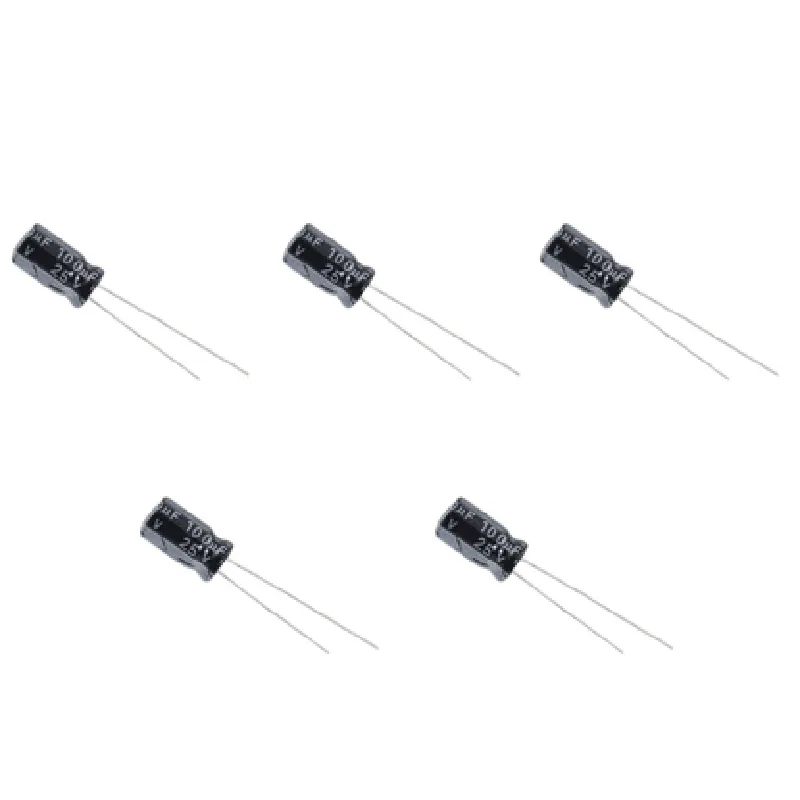
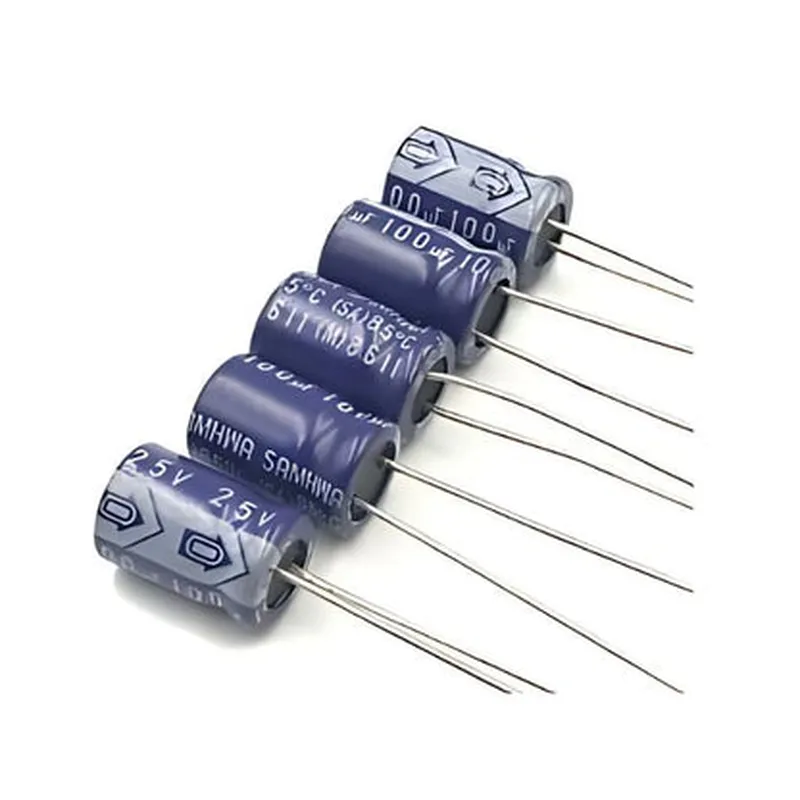
100uF / 25V Electrolytic Capacitor (Pack of 5)

Buy Now on Stufin

Component Description

100uF / 25V Electrolytic Capacitor (Pack of 5)

Overview

The 100uF / 25V Electrolytic Capacitor is a type of passive electronic component designed to store energy in the form of an electric field. It is a polarized capacitor, meaning it has a positive and negative terminal, and is commonly used in a wide range of electronic circuits, including power supplies, audio equipment, and radio frequency (RF) circuits.

Functionality

  • Filtering: blocking or attenuating unwanted frequencies, noise, and ripple voltages in power supplies and signal lines.
  • Regulating: stabilizing voltage levels and ensuring a smooth, consistent output in power supplies and other circuits.
  • Energy Storage: storing electrical energy and releasing it as needed, which helps to maintain a stable voltage supply and protect devices from power surges or drops.
The primary function of the 100uF / 25V Electrolytic Capacitor is to filter, regulate, and store electrical energy in electronic circuits. It achieves this by

Key Features

  • Capacitance: 100uF (microfarads), which is the measure of the capacitor's ability to store electric charge.
  • Voltage Rating: 25V, which is the maximum voltage that the capacitor can handle without breaking down or failing.
  • Polarized: The capacitor has a positive (+) and negative (-) terminal, and must be connected accordingly to ensure proper function and prevent damage.
  • Electrolytic Construction: The capacitor uses an electrolytic material to enhance capacitance and improve overall performance.
  • Radial Leads: The capacitor has radial leads, making it easy to mount and connect in electronic circuits.
  • Pack of 5: This component comes in a pack of five, providing a convenient and cost-effective solution for projects and designs that require multiple capacitors.

Physical Characteristics

  • Size: The capacitor has a compact size, making it suitable for use in a variety of electronic projects and designs.
  • Material: The capacitor's casing is typically made of a durable plastic or aluminum material, ensuring reliable performance and protection from environmental factors.
  • Weight: The capacitor is relatively lightweight, making it easy to handle and mount in electronic circuits.

Applications

  • Power Supplies: The 100uF / 25V Electrolytic Capacitor is often used in power supplies to filter and regulate output voltage.
  • Audio Equipment: It is used in audio circuits to block DC voltage and filter out unwanted frequencies.
  • RF Circuits: The capacitor is used in RF circuits to tune and match impedance in amplifiers, filters, and other devices.
  • General Electronics: It is commonly used in a wide range of electronic projects, including robotics, automation, and DIY electronics.

Important Notes

  • Polarity: Always ensure the correct polarity when connecting the capacitor to prevent damage or malfunction.
  • Voltage Rating: Do not exceed the capacitor's voltage rating to prevent breakdown or failure.
  • Operating Temperature: The capacitor's performance and lifespan may be affected by extreme operating temperatures.

By following proper connection, usage, and handling guidelines, the 100uF / 25V Electrolytic Capacitor (Pack of 5) can provide reliable and efficient performance in a variety of electronic circuits and projects.

Pin Configuration

  • Component Documentation: 100uF / 25V Electrolytic Capacitor (Pack of 5)
  • Overview
  • The 100uF / 25V Electrolytic Capacitor is a type of polarized capacitor commonly used in electronic circuits for filtering, decoupling, and energy storage applications. This documentation provides a detailed explanation of the capacitor's pins and how to connect them correctly.
  • Pin Description
  • The 100uF / 25V Electrolytic Capacitor has two pins:
  • 1. Positive Leg (Anode)
  • Pin Name: +
  • Function: The positive leg is connected to the positive voltage supply or the higher voltage side of the circuit.
  • Marking: The positive leg is usually marked with a "+" sign or a longer lead on the capacitor.
  • 2. Negative Leg (Cathode)
  • Pin Name: -
  • Function: The negative leg is connected to the negative voltage supply or the lower voltage side of the circuit.
  • Marking: The negative leg is usually marked with a "-" sign or a shorter lead on the capacitor.
  • Connection Structure
  • To connect the 100uF / 25V Electrolytic Capacitor correctly, follow these steps:
  • Step 1: Identify the Positive and Negative Legs
  • Verify the capacitor's polarity by checking the markings on the capacitor body.
  • Ensure you identify the positive (+) and negative (-) legs correctly to avoid damaging the capacitor or the circuit.
  • Step 2: Connect the Positive Leg
  • Connect the positive leg (+) to the positive voltage supply or the higher voltage side of the circuit.
  • Use a wire or a PCB trace to make a secure connection.
  • Step 3: Connect the Negative Leg
  • Connect the negative leg (-) to the negative voltage supply or the lower voltage side of the circuit.
  • Use a wire or a PCB trace to make a secure connection.
  • Important Connection Considerations
  • Always respect the capacitor's polarity to avoid reverse voltage, which can cause damage or even explosion.
  • Ensure the capacitor is connected in a way that prevents it from experiencing voltage reversal or excessive voltage stress.
  • Follow proper safety precautions when handling electronic components and circuits.
  • By following these guidelines, you can correctly connect the 100uF / 25V Electrolytic Capacitor in your electronic circuit.

Code Examples

Component Documentation: 100uF / 25V Electrolytic Capacitor (Pack of 5)
Overview
The 100uF / 25V electrolytic capacitor is a type of polarized capacitor used for filtering, decoupling, and energy storage applications in electronic circuits. This component is suitable for use in a wide range of IoT projects, including embedded systems, robotics, and wearable devices.
Characteristics
capacitance: 100uF
 voltage rating: 25V
 tolerance: 20%
 operating temperature: -40C to +85C
 package: radial lead type
 dimensions: 10mm x 20mm (approx.)
Pinout
The capacitor has two leads: a positive leg (anode) and a negative leg (cathode). The longer leg is the positive leg.
How to Use
Example 1: Power Supply Filtering (Arduino)
In this example, we'll use the 100uF / 25V electrolytic capacitor to filter out ripple voltage in a power supply circuit.
```c
// Connect the capacitor between VIN and GND
// VIN: input voltage (e.g., from a battery or wall adapter)
// GND: ground reference
VIN --(100uF)---> GND
void setup() {
  // Initialize the power supply circuit
}
void loop() {
  // Your IoT project code here
}
```
Example 2: Decoupling in a Microcontroller Circuit (Raspberry Pi)
In this example, we'll use the 100uF / 25V electrolytic capacitor to decouple the power supply voltage to a microcontroller (e.g., Raspberry Pi).
```python
# Connect the capacitor between the power supply pins (e.g., 3.3V) and GND
# VCC: power supply voltage
# GND: ground reference
VCC --(100uF)---> GND
import RPi.GPIO as GPIO
GPIO.setmode(GPIO.BCM)
# Your IoT project code here
```
Example 3: Energy Storage in a Simple Alarm System
In this example, we'll use the 100uF / 25V electrolytic capacitor to store energy for a brief alarm sound when a sensor is triggered.
```c
// Connect the capacitor between the sensor output and the alarm circuit
// SENSOR_OUT: sensor output (e.g., from a PIR sensor)
// ALARM_IN: alarm circuit input
SENSOR_OUT --(100uF)---> ALARM_IN
void loop() {
  if (digitalRead(SENSOR_OUT) == HIGH) {
    // Trigger the alarm circuit
    digitalWrite(ALARM_IN, HIGH);
    delay(100); // brief alarm sound
    digitalWrite(ALARM_IN, LOW);
  }
}
```
Important Notes
Always observe proper safety precautions when working with electronics.
 Ensure the capacitor is installed with the correct polarity to avoid damage or malfunction.
 Follow the recommended operating temperature and voltage ratings to ensure the capacitor's longevity.
 Use a suitable capacitor value and type for your specific IoT project requirements.
I hope this documentation helps you effectively integrate the 100uF / 25V electrolytic capacitor into your IoT projects!