Stufin
Home Quick Cart Profile

A2212 2450KV BLDC Motor for RC Drones and Quadcopters


Buy Now on Stufin

Component Name

A2212 2450KV BLDC Motor for RC Drones and Quadcopters
Overview

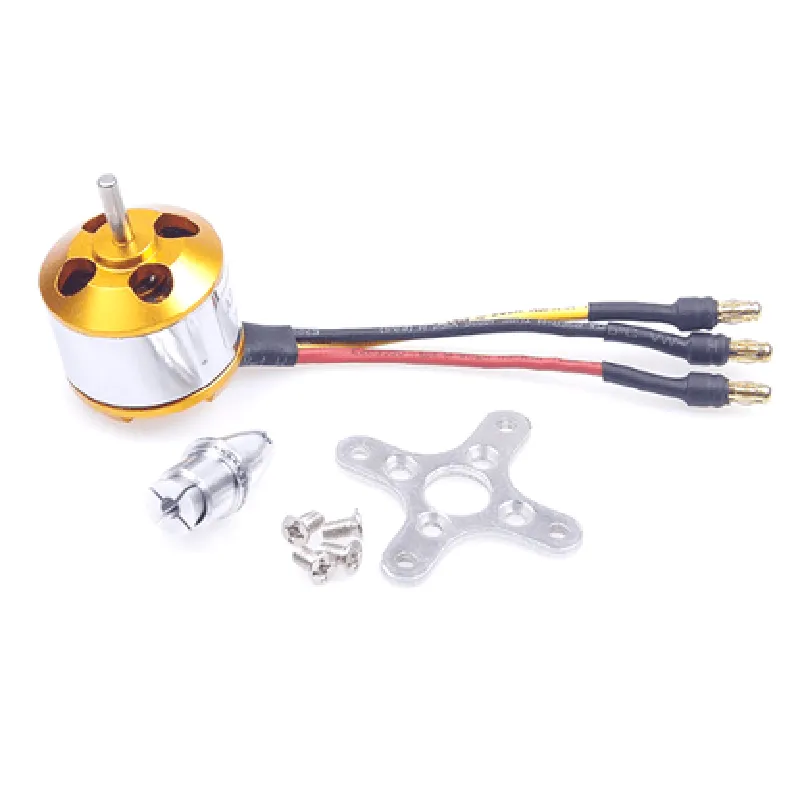
The A2212 2450KV BLDC Motor is a high-performance brushless DC motor designed specifically for RC drones and quadcopters. It is optimized for high-speed and high-torque applications, making it an ideal choice for aerial vehicles that require efficient and reliable power.

Functionality

The A2212 2450KV BLDC Motor is responsible for converting electrical energy from a power source into mechanical energy, which is then used to propel the drone or quadcopter. The motor works in conjunction with an electronic speed controller (ESC) and a propeller to generate thrust and control the rotation of the aircraft.

Key Features

  • High KV Rating: The motor has a high KV rating of 2450, which means it can operate at high speeds and produce a significant amount of power relative to its size.
  • Brushless Design: The brushless design eliminates the need for brushes, which can wear out over time, making the motor more reliable and requiring less maintenance.
  • High-Efficiency: The motor is designed to provide high efficiency, which means it can operate at a lower temperature and consume less power, resulting in longer flight times and increased overall performance.
  • Low Profile: The motor has a compact design, making it ideal for use in small to medium-sized drones and quadcopters where space is limited.
  • High-Torque: The motor is capable of producing high torque, which allows it to handle heavier payloads and propel the aircraft more efficiently.
  • Durable Construction: The motor is built with high-quality materials and features a durable construction, making it capable of withstanding the rigors of frequent use.
  • Proprietary Bearings: The motor uses proprietary bearings that are designed to provide smooth and reliable operation, even at high speeds.
  • Easy Installation: The motor is designed for easy installation and integration with popular drone and quadcopter platforms.
  • Compatibility: The motor is compatible with a wide range of ESCs and can operate with a variety of propellers, making it a versatile option for drone and quadcopter builders.

KV Rating

2450

Motor Type

Brushless DC

Number of Poles

14

Rotor Diameter

22mm

Stator Diameter

12mm

Motor Length

35mm

Weight

65g

Shaft Diameter

3.17mm

Max Current

18A

Max Voltage

12.6V

Max Power

220W

Speed Range

1600-2400 RPM

Propeller Size

5-6 inches

Applications

The A2212 2450KV BLDC Motor is suitable for a wide range of applications, including

RC drones and quadcopters

Aerial photography and videography

Racing drones

FPV (first-person view) drones

Autonomous drones

Robotics and automation projects

Safety Precautions

When working with the A2212 2450KV BLDC Motor, it is essential to follow proper safety precautions to avoid injury or damage. These include

Handling the motor with care to avoid damage to the windings or bearings

Ensuring proper ventilation to prevent overheating

Using protective gear, such as gloves and safety glasses, when working with the motor

Following proper installation and wiring procedures to avoid electrical shock or damage

Using the motor within its recommended specifications and operating range

Pin Configuration

  • A2212 2450KV BLDC Motor for RC Drones and Quadcopters Pinout and Connection Guide
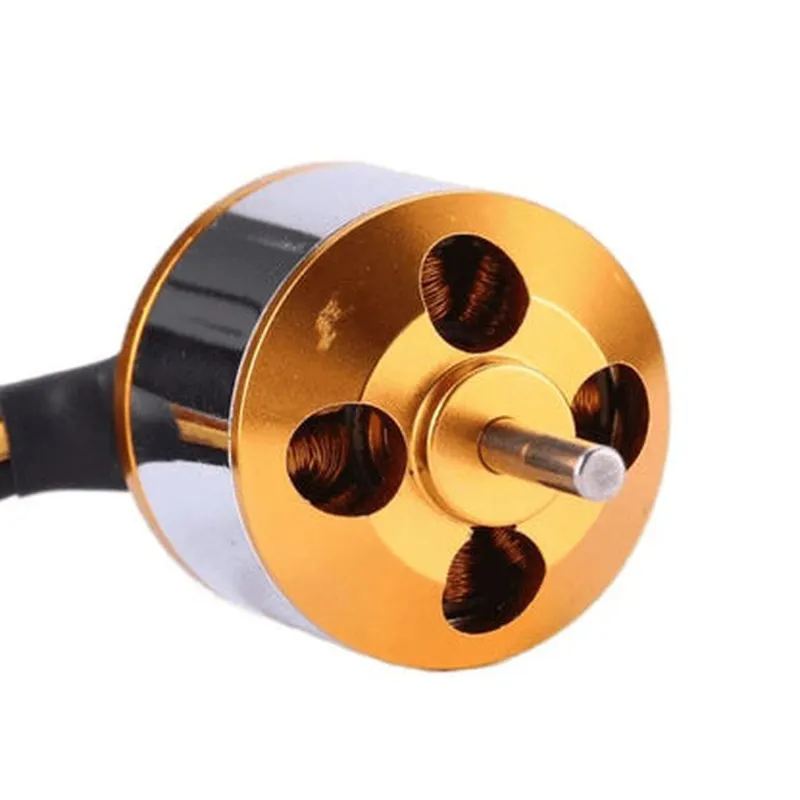
  • The A2212 2450KV BLDC Motor is a popular choice for RC drones and quadcopters, offering high performance and efficiency. This motor has a 3-phase configuration, which requires a compatible Electronic Speed Controller (ESC) to operate. Below is a detailed explanation of the motor's pins and how to connect them:
  • Pinout:
  • The A2212 motor has 3-phase wiring, with 3 signal wires (A, B, and C) and 3 power wires (V+, V-, and GND).
  • Signal Wires:
  • A (Yellow Wire): Phase A signal wire, connected to the ESC's A signal output.
  • B (Blue Wire): Phase B signal wire, connected to the ESC's B signal output.
  • C (Red Wire): Phase C signal wire, connected to the ESC's C signal output.
  • Power Wires:
  • V+ (Positive Wire, typically Red): Power positive wire, connected to the ESC's battery positive output (VCC or B+).
  • V- (Negative Wire, typically Black): Power negative wire, connected to the ESC's battery negative output (GND or B-).
  • GND (Ground Wire, typically Black or Copper): Motor case ground wire, connected to the ESC's ground (GND) or the frame of the drone/quadcopter.
  • Connection Guide:
  • To connect the A2212 motor to an ESC, follow these steps:
  • 1. ESC Signal Wires:
  • Connect the Yellow (A) wire to the ESC's A signal output.
  • Connect the Blue (B) wire to the ESC's B signal output.
  • Connect the Red (C) wire to the ESC's C signal output.
  • 2. ESC Power Wires:
  • Connect the Red (V+) wire to the ESC's battery positive output (VCC or B+).
  • Connect the Black (V-) wire to the ESC's battery negative output (GND or B-).
  • 3. Grounding:
  • Connect the Black or Copper (GND) wire to the ESC's ground (GND) or the frame of the drone/quadcopter.
  • Important Connection Notes:
  • Ensure the motor wires are connected to the correct ESC outputs to avoid damage or malfunction.
  • Use high-quality, insulated wires to prevent shorts and ensure reliable connections.
  • Keep the motor wires away from other electrical components to minimize electromagnetic interference (EMI).
  • Always refer to the ESC's documentation for specific connection instructions, as different ESCs may have varying pinouts.
  • By following this pinout and connection guide, you can properly connect the A2212 2450KV BLDC Motor to your ESC and ensure reliable operation of your RC drone or quadcopter.

Code Examples

A2212 2450KV BLDC Motor for RC Drones and Quadcopters
Overview
The A2212 2450KV BLDC Motor is a high-performance, compact, and lightweight motor designed specifically for RC drones and quadcopters. With its high Kv rating and efficient design, this motor is capable of delivering exceptional power and speed while maintaining a high level of efficiency.
Specifications
Kv (RPM/Volt): 2450
 Voltage: 12-14V
 Current (A): 12-15A
 Power (W): 150-200W
 Shaft diameter: 3.17mm
 Shaft length: 14mm
 Motor dimensions: 27.5 x 13.5 mm
 Weight: 65 grams
Pinout
The motor has a standard 3-pin connector for connecting to an electronic speed controller (ESC).
Pin 1: Positive (VCC)
 Pin 2: Negative (GND)
 Pin 3: Signal (PWM)
Example 1: Using the A2212 Motor with an Arduino and an ESC
In this example, we will demonstrate how to control the A2212 motor using an Arduino board and a compatible ESC.
Hardware Requirements:
Arduino Board (e.g., Arduino Uno or Arduino Nano)
 A2212 2450KV BLDC Motor
 Electronic Speed Controller (ESC) compatible with the motor
 Power source (e.g., LiPo battery)
Code:
```c
const int motorPin = 9;  // Pin 9 for PWM signal
void setup() {
  pinMode(motorPin, OUTPUT);
}
void loop() {
  int speed = 128;  // Set motor speed (0-255)
  analogWrite(motorPin, speed);
  delay(20);  // 20ms delay for stable operation
}
```
In this example, we connect the motor to the ESC, and the ESC to the Arduino. We then use the `analogWrite()` function to send a PWM signal to the ESC, which controls the motor speed.
Example 2: Using the A2212 Motor with a Raspberry Pi and a Python Script
In this example, we will demonstrate how to control the A2212 motor using a Raspberry Pi and a Python script.
Hardware Requirements:
Raspberry Pi Board (e.g., Raspberry Pi 4)
 A2212 2450KV BLDC Motor
 Electronic Speed Controller (ESC) compatible with the motor
 Power source (e.g., LiPo battery)
Code:
```python
import RPi.GPIO as GPIO
import time
# Set up GPIO pin for PWM signal
GPIO.setmode(GPIO.BCM)
motor_pin = 18
GPIO.setup(motor_pin, GPIO.OUT)
# Set PWM frequency to 50Hz
pwm = GPIO.PWM(motor_pin, 50)
try:
    while True:
        # Set motor speed to 50% (0-100%)
        pwm.start(50)
        time.sleep(1)
        # Set motor speed to 100% (0-100%)
        pwm.start(100)
        time.sleep(1)
except KeyboardInterrupt:
    pwm.stop()
    GPIO.cleanup()
```
In this example, we connect the motor to the ESC, and the ESC to the Raspberry Pi. We then use the RPi.GPIO library to send a PWM signal to the ESC, which controls the motor speed.
Note: These examples are for demonstration purposes only and may require modifications to suit specific use cases and applications. It is essential to ensure proper safety measures and follow proper precautions when working with electrical components and motors.