24V-380V AC/DC


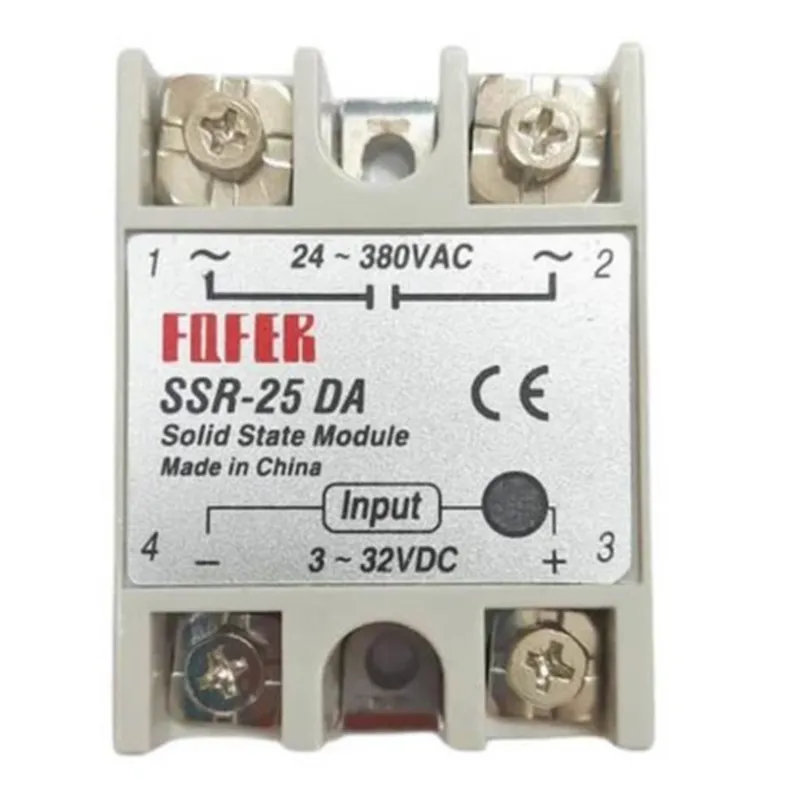
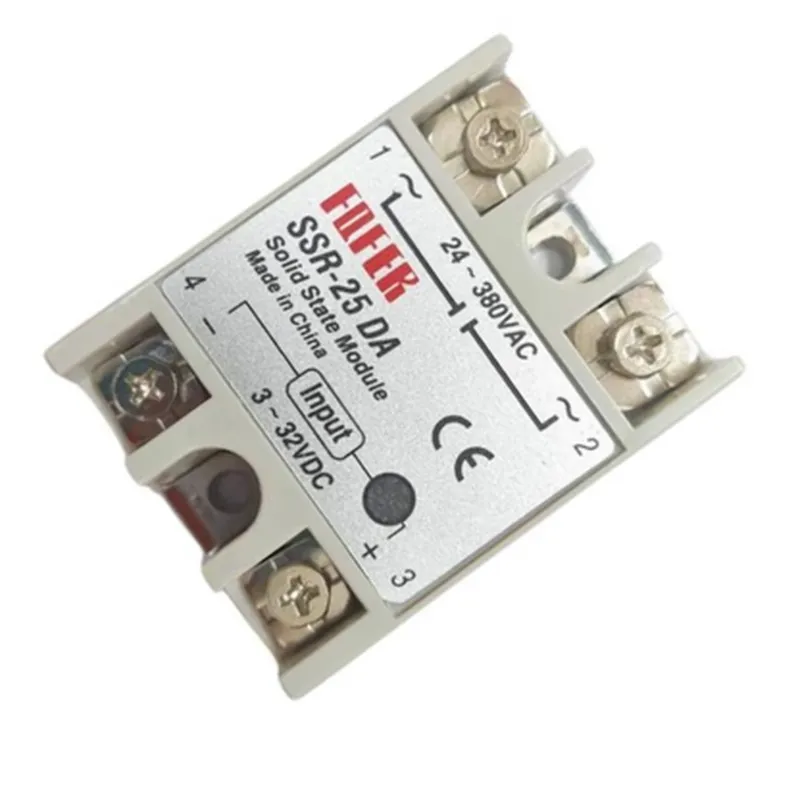
24V-380V AC/DC
24V-380V AC/DC
40A
3V-5V DC
Normally Open (NO)
-40C to 85C
-40C to 125C
5% to 95% RH (non-condensing)
Applications
| The FOFEK 24V-380V 40Amp DA Solid State Relay Module is suitable for a wide range of applications, including |
Industrial automation
Building automation
IoT projects
Robotics
HVAC systems
Lighting control systems
Security systems
Medical equipment
Aerospace and automotive systems
Safety Precautions
| When using the FOFEK 24V-380V 40Amp DA Solid State Relay Module, please follow proper safety precautions to avoid electrical shock, injury, or damage to the module and connected devices |
Ensure proper installation and wiring to avoid electrical shock or short circuits.
Use the module within its rated specifications and operating conditions.
Avoid exposing the module to moisture, dust, or extreme temperatures.
Use protective equipment, such as gloves and safety glasses, when working with electrical systems.
By following the guidelines and specifications outlined in this documentation, the FOFEK 24V-380V 40Amp DA Solid State Relay Module can provide reliable and efficient control of high-power loads in various IoT applications.
FOFEK 24V-380V 40Amp DA Solid State Relay Module DocumentationOverviewThe FOFEK 24V-380V 40Amp DA Solid State Relay Module is a high-power solid-state relay (SSR) module designed for switching high-voltage and high-current loads. This module is suitable for a wide range of applications, including industrial automation, smart home systems, and IoT projects.Key FeaturesInput voltage: 24V DC
Output voltage: 380V AC
Maximum current: 40A
SSR type: Dual-AC-Output (DA)
Isolation voltage: 2500V AC
Operating frequency: 50/60 Hz
Response time: <10ms
Compatible with 24V DC control signalsPinoutThe module has the following pins:VCC: 24V DC input
GND: Ground
IN+: Control signal input (+)
IN-: Control signal input (-)
OUT+: AC output (+)
OUT-: AC output (-)Usage Examples### Example 1: Controlling a 380V AC Motor using an Arduino BoardIn this example, we'll demonstrate how to use the FOFEK 24V-380V 40Amp DA Solid State Relay Module to control a 380V AC motor using an Arduino board.Hardware RequirementsFOFEK 24V-380V 40Amp DA Solid State Relay Module
Arduino Board (e.g., Arduino Uno or Arduino Mega)
380V AC motor
24V DC power supply
Breadboard and jumper wiresSoftware RequirementsArduino IDE (version 1.8.x or later)Code
```c
const int relayPin = 2; // Pin 2 for relay control signalvoid setup() {
pinMode(relayPin, OUTPUT);
}void loop() {
// Turn the motor ON
digitalWrite(relayPin, HIGH);
delay(5000);// Turn the motor OFF
digitalWrite(relayPin, LOW);
delay(5000);
}
```
Connection DiagramConnect the 24V DC power supply to the VCC and GND pins of the relay module. Connect the Arduino digital output pin (e.g., Pin 2) to the IN+ pin of the relay module. Connect the 380V AC motor to the OUT+ and OUT- pins of the relay module.### Example 2: Controlling a 380V AC Light Bulb using a Raspberry PiIn this example, we'll demonstrate how to use the FOFEK 24V-380V 40Amp DA Solid State Relay Module to control a 380V AC light bulb using a Raspberry Pi.Hardware RequirementsFOFEK 24V-380V 40Amp DA Solid State Relay Module
Raspberry Pi (e.g., Raspberry Pi 4)
380V AC light bulb
24V DC power supply
Breadboard and jumper wiresSoftware RequirementsRaspbian OS (version 10 or later)
Python 3.xCode
```python
import RPi.GPIO as GPIO
import timeGPIO.setmode(GPIO.BCM)
relay_pin = 17 # Pin 17 for relay control signal
GPIO.setup(relay_pin, GPIO.OUT)try:
while True:
# Turn the light bulb ON
GPIO.output(relay_pin, GPIO.HIGH)
time.sleep(5)# Turn the light bulb OFF
GPIO.output(relay_pin, GPIO.LOW)
time.sleep(5)except KeyboardInterrupt:
GPIO.cleanup()
```
Connection DiagramConnect the 24V DC power supply to the VCC and GND pins of the relay module. Connect the Raspberry Pi GPIO pin (e.g., Pin 17) to the IN+ pin of the relay module. Connect the 380V AC light bulb to the OUT+ and OUT- pins of the relay module.Note: Make sure to use proper safety precautions when working with high-voltage AC systems. Ensure that the relay module is properly installed and connected to avoid any electrical shock or fire hazards.