2cmx1.5cm Heat Sink (Pack of 5)


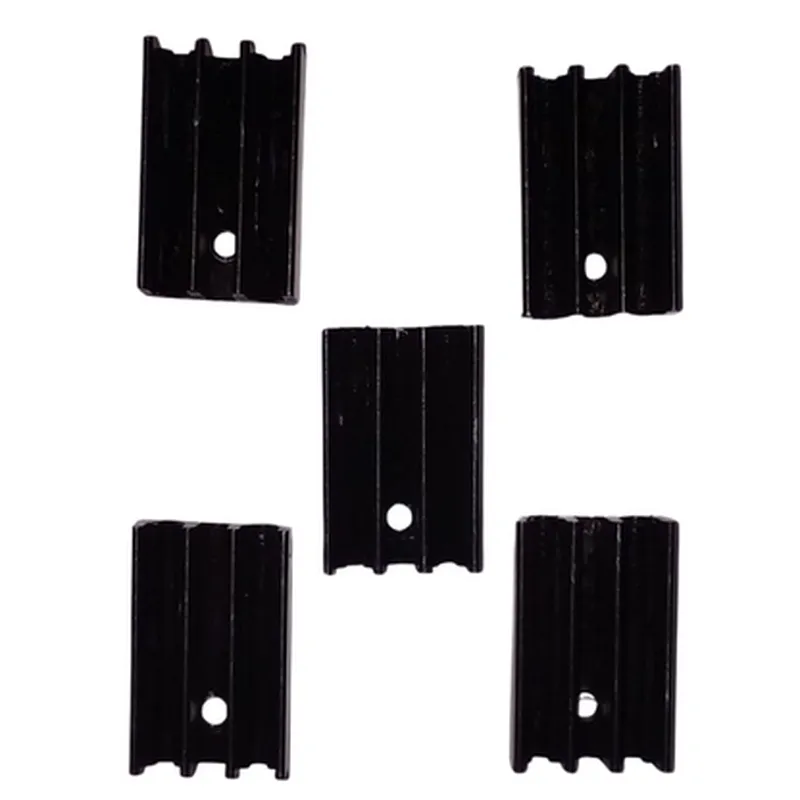
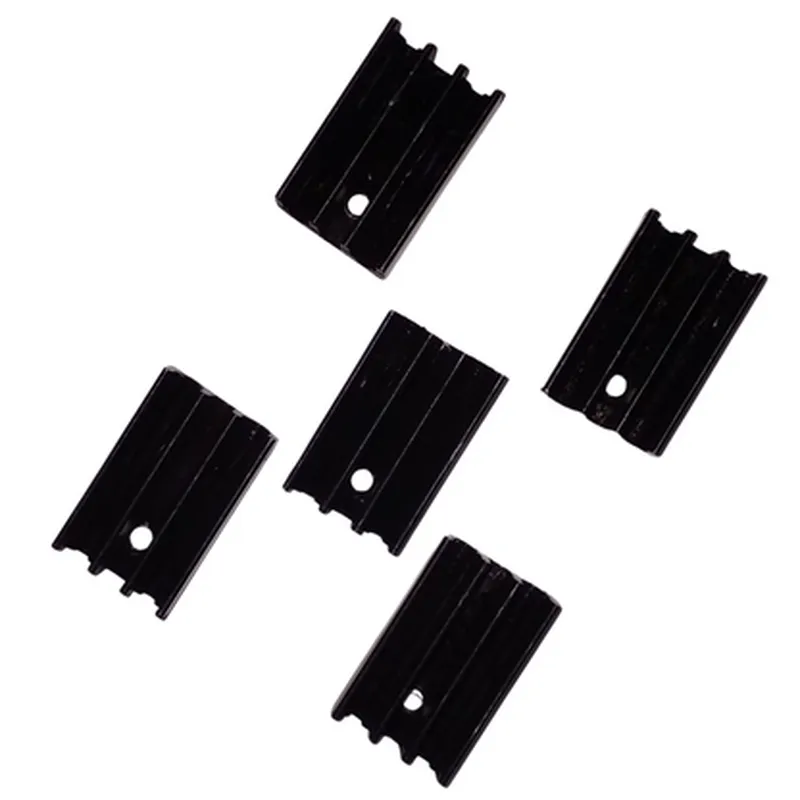
2cmx1.5cm Heat Sink (Pack of 5)
The 2cmx1.5cm Heat Sink is a compact, high-performance heat dissipation component designed to efficiently cool electronic devices, particularly in IoT applications where space is limited. This pack of 5 heat sinks is ideal for prototyping, development, and production of various IoT projects.
| The primary function of the 2cmx1.5cm Heat Sink is to dissipate heat generated by electronic components, such as microcontrollers, voltage regulators, and other devices, to maintain their optimal operating temperatures. This is achieved through convection, where the heat sink absorbs heat from the component and dissipates it into the surrounding air. By effectively managing heat, the heat sink helps to |
Prevent overheating, which can cause device failure or malfunction
Reduce the risk of thermal runaway
Increase the overall reliability and lifespan of the device
Improve system performance and efficiency
2cm x 1.5cm x 0.5cm (L x W x H)
High-thermal-conductivity aluminum alloy
10C/W
-40C to 150C
Anodized aluminum
IoT devices and sensors
Microcontrollers and single-board computers
Voltage regulators and power management ICs
Audio amplifiers and RF modules
LED drivers and lighting systems
The 2cmx1.5cm Heat Sink (Pack of 5) is a reliable, high-performance thermal management solution for a wide range of IoT applications. Its compact size, high thermal conductivity, and durable construction make it an ideal choice for developers, manufacturers, and hobbyists alike.
Component Documentation: 2cmx1.5cm Heat Sink (Pack of 5)OverviewThe 2cmx1.5cm Heat Sink is a compact, high-performance heat dissipation solution designed for IoT applications. This pack of 5 heat sinks is ideal for thermal management in small form factor devices, such as:Microcontrollers
Sensors
Voltage Regulators
LEDs
Small Power AmplifiersFeaturesCompact size: 2cm x 1.5cm (0.8" x 0.6")
High thermal conductivity: efficient heat dissipation
Lightweight and compact design
Easy to install and integrate into IoT projectsTechnical SpecificationsMaterial: Aluminum alloy
Fin density: 20 fins/inch
Thermal resistance: 10C/W
Maximum operating temperature: 150C (302F)Using the 2cmx1.5cm Heat Sink in IoT ProjectsHere are three code examples demonstrating the use of the 2cmx1.5cm Heat Sink in various IoT contexts:Example 1: Arduino-Based Temperature MonitoringIn this example, we'll use the 2cmx1.5cm Heat Sink to dissipate heat from a DS18B20 digital temperature sensor connected to an Arduino Uno board.```c
#include <DallasTemperature.h>#define ONE_WIRE_BUS 2 // GPIO 2 for DS18B20OneWire oneWire(ONE_WIRE_BUS);
DallasTemperature sensors(&oneWire);void setup() {
Serial.begin(9600);
sensors.begin();
}void loop() {
sensors.requestTemperatures();
float tempC = sensors.getTempCByIndex(0);
Serial.print("Temperature: ");
Serial.print(tempC);
Serial.println("C");
delay(1000);
}
```Hardware Connection:Connect the DS18B20 sensor to the Arduino Uno's GPIO 2.
Mount the 2cmx1.5cm Heat Sink on top of the DS18B20 sensor using thermal tape or adhesive.Example 2: ESP32-Based WiFi Weather StationIn this example, we'll use the 2cmx1.5cm Heat Sink to dissipate heat from an ESP32 microcontroller, which is connected to a BME280 temperature and humidity sensor, and a WiFi module.```c
#include <WiFi.h>
#include <BME280I2C.h>#define BME280_ADDRESS 0x76BME280I2C bme;void setup() {
Serial.begin(115200);
WiFi.begin(ssid, password);
while (WiFi.status() != WL_CONNECTED) {
delay(1000);
Serial.println("Connecting to WiFi...");
}
Serial.println("Connected to WiFi");
bme.begin();
}void loop() {
float temp = bme.readTemperature();
float humi = bme.readHumidity();
Serial.print("Temperature: ");
Serial.print(temp);
Serial.println("C");
Serial.print("Humidity: ");
Serial.print(humi);
Serial.println("%");
delay(10000);
}
```Hardware Connection:Connect the BME280 sensor to the ESP32's I2C pins.
Connect the WiFi module to the ESP32's GPIO pins.
Mount the 2cmx1.5cm Heat Sink on top of the ESP32 microcontroller using thermal tape or adhesive.These code examples demonstrate the versatility of the 2cmx1.5cm Heat Sink in various IoT applications, ensuring efficient heat dissipation and reliable performance.