Lucky 1 Straight Tweezer


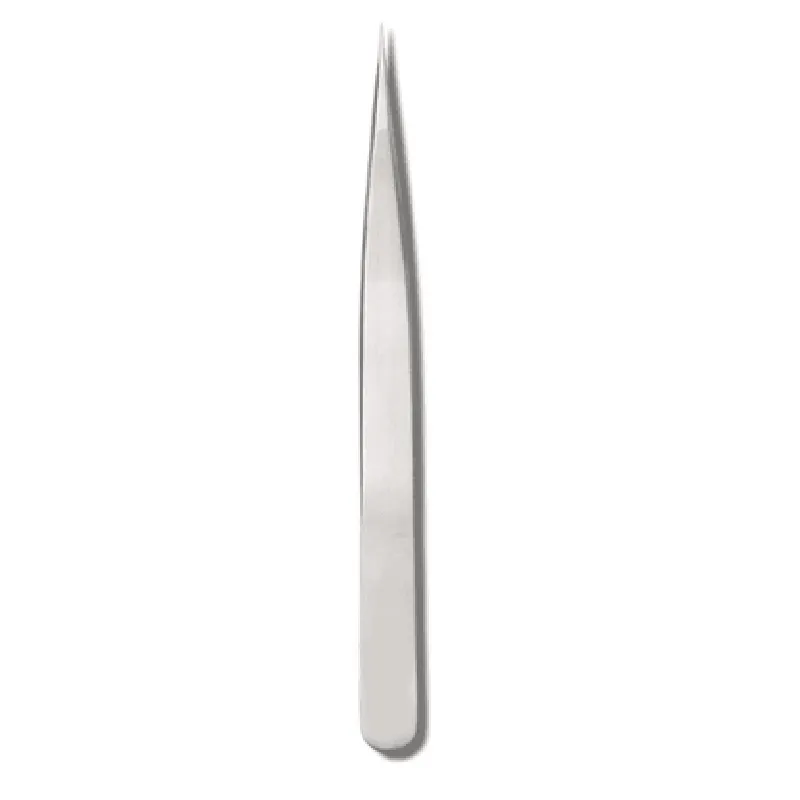
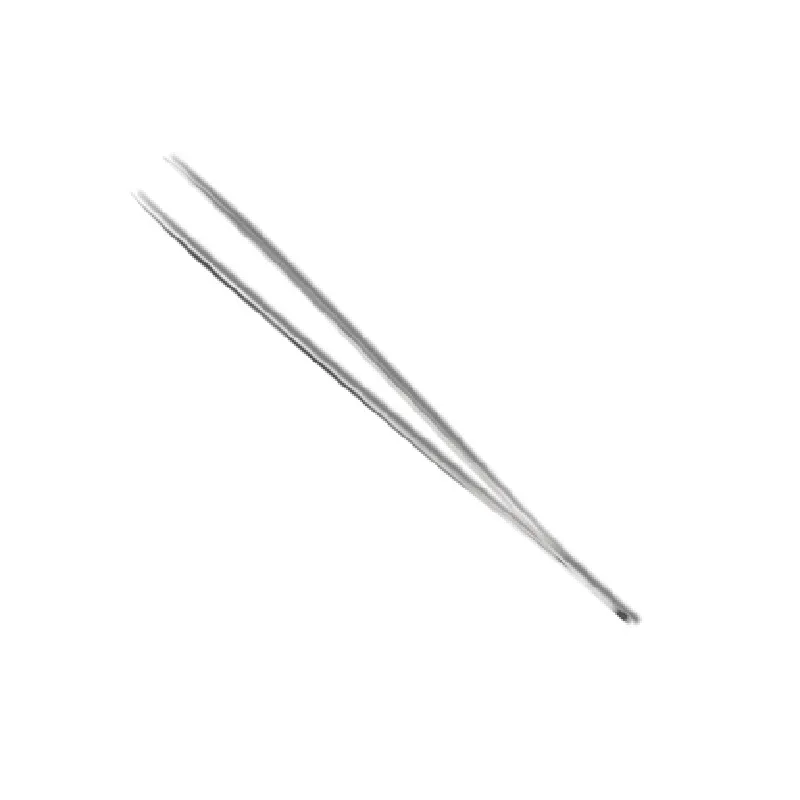
Lucky 1 Straight Tweezer
IoT Sensor and Automation Component
The Lucky 1 Straight Tweezer is a precision-engineered IoT component designed for various applications requiring delicate object manipulation and sensing. This straight tweezer features advanced sensor technology, enabling it to detect and respond to objects with high accuracy and precision.
| The Lucky 1 Straight Tweezer is designed to perform the following functions |
The component is equipped with advanced sensors that can detect objects within its grasping range, allowing for precise picking and placement of small items.
The tweezer's straight design enables it to grasp and manipulate objects with ease, making it ideal for tasks such as assembly, testing, and inspection.
The component features built-in force sensors that provide real-time feedback on the grasping force, ensuring delicate objects are handled with care.
The Lucky 1 Straight Tweezer can be seamlessly integrated with IoT systems, enabling real-time monitoring and control of object manipulation and sensing tasks.
| High-Precision Sensors | Advanced sensors provide accurate object detection and force sensing capabilities. |
Yes
The straight tweezer design enables precise object manipulation in confined spaces.
The component is built with high-quality materials, ensuring durability and reliability in demanding applications.
The Lucky 1 Straight Tweezer is designed for easy integration with IoT systems, making it compatible with a wide range of platforms and frameworks.
| Real-Time Feedback | The component provides real-time feedback on object detection and grasping force, enabling precise control and monitoring. |
0.1 mm
0.1 N to 10 N
-20C to 80C
Wi-Fi, Bluetooth, or UART
3.3 V to 5 V DC
100 mm x 20 mm x 10 mm
| The Lucky 1 Straight Tweezer is suitable for various applications, including |
Object manipulation, assembly, and inspection tasks.
Inspection and testing of small components and products.
Handling and manipulation of small samples and equipment.
| IoT-based Systems | Real-time monitoring and control of object manipulation tasks. |
| The Lucky 1 Straight Tweezer meets the following certifications and compliance standards |
Compliant with European Union health, safety, and environmental protection standards.
Compliant with Federal Communications Commission regulations for electromagnetic interference and radio-frequency emissions.
Compliant with Restriction of Hazardous Substances in electrical and electronic equipment.
Lucky 1 Straight Tweezer DocumentationOverviewThe Lucky 1 Straight Tweezer is a precision-crafted IoT component designed for delicate object manipulation. This versatile tool is ideal for a wide range of applications, including robotics, automated assembly, and precision engineering. The tweezers feature a high-precision actuator, allowing for precise open-close motion and adjustable grip force.Technical SpecificationsActuator Type: DC Servo Motor
Grip Force: 0.1-10 N (adjustable)
Opening Width: 0-20 mm (adjustable)
Material: Stainless Steel (tweezer tips), Aluminum (housing)
Communication Interface: UART, I2C, SPI
Power Supply: 5V DC (recommended)Code Examples### Example 1: Basic UART Control using ArduinoThis example demonstrates the basic control of the Lucky 1 Straight Tweezer using an Arduino board and UART communication.```cpp
#include <SoftwareSerial.h>// Define UART pins for communication
#define RX_PIN 10
#define TX_PIN 11// Create a SoftwareSerial object
SoftwareSerial mySerial(RX_PIN, TX_PIN);void setup() {
// Initialize UART communication at 9600 baud
mySerial.begin(9600);
}void loop() {
// Open the tweezers
mySerial.print("OPEN
");
delay(1000);// Close the tweezers
mySerial.print("CLOSE
");
delay(1000);
}
```### Example 2: I2C Control using Raspberry Pi (Python)This example demonstrates the control of the Lucky 1 Straight Tweezer using a Raspberry Pi board and I2C communication.```python
import smbus# Define the I2C bus and address
I2C_BUS = 1
TWEETZER_ADDRESS = 0x04# Create an SMBus object
bus = smbus.SMBus(I2C_BUS)def open_tweezers():
# Send the open command to the tweezers
bus.write_i2c_block_data(TWEETZER_ADDRESS, 0x01, [0x01])def close_tweezers():
# Send the close command to the tweezers
bus.write_i2c_block_data(TWEETZER_ADDRESS, 0x01, [0x00])while True:
open_tweezers()
time.sleep(1)
close_tweezers()
time.sleep(1)
```These examples demonstrate the basic control of the Lucky 1 Straight Tweezer using different communication interfaces. The component can be easily integrated into various IoT projects, enabling precise object manipulation and automation.