1/4 lb (113g)


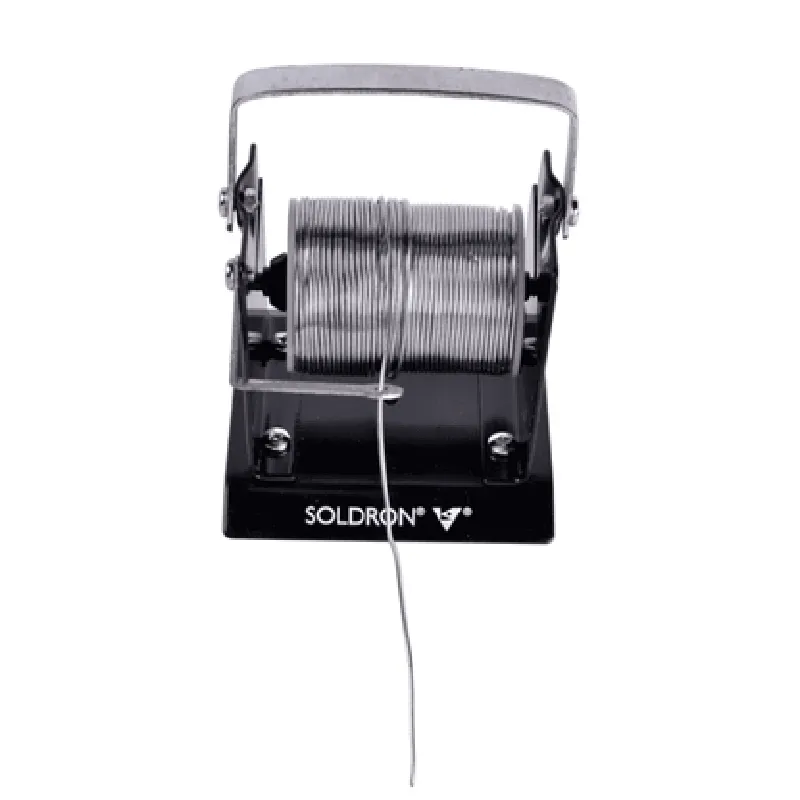
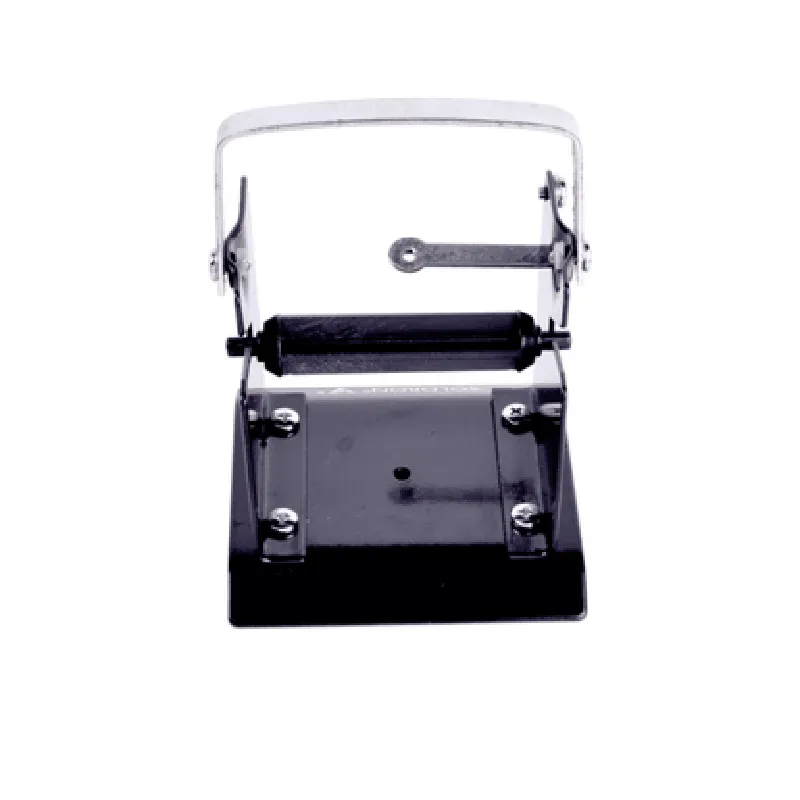
1/4 lb (113g)
0.5 mm to 1.5 mm
Durable plastic and metal construction
120 mm x 60 mm x 40 mm (4.7 in x 2.4 in x 1.6 in)
150g (5.3 oz)
Benefits
Applications
| The Soldron Solder Wire Dispenser is ideal for a wide range of applications, including |
Conclusion
The Soldron Solder Wire Dispenser is a valuable addition to any soldering station or workspace. Its innovative design, adjustable wire feed, and durable construction make it an essential tool for anyone involved in electronics assembly, repair, or manufacturing.
Soldron Solder Wire Dispenser DocumentationOverviewThe Soldron Solder Wire Dispenser is an IoT-enabled component designed to simplify and streamline the soldering process in various applications. This dispenser allows for precise control over the amount of solder wire dispensed, reducing waste and improving overall efficiency. The device can be integrated into automated manufacturing lines, robotics, and DIY projects.Technical SpecificationsInput Voltage: 5V DC
Output Wire Length: 0.1mm to 1.0mm
Wire Material: 60/40 Tin-Lead or Lead-Free (customizable)
Communication Protocol: UART, I2C, or SPI (selectable)
Dimensions: 50mm x 30mm x 20mmCode Examples### Example 1: Basic Wire Dispensing using UART Communication (Arduino)This example demonstrates how to use the Soldron Solder Wire Dispenser with an Arduino board to dispense a specific length of solder wire.
```c
#include <SoftwareSerial.h>// Define the dispenser's UART pins
#define DISP_RX 2
#define DISP_TX 3SoftwareSerial dispenserSerial(DISP_RX, DISP_TX);void setup() {
// Initialize the dispenser's UART communication
dispenserSerial.begin(9600);
}void loop() {
// Send a command to dispense 50mm of solder wire
dispenserSerial.print("D500
");
delay(1000);
}
```
### Example 2: Automated Soldering Process using I2C Communication (Raspberry Pi)This example showcases how to integrate the Soldron Solder Wire Dispenser into a Raspberry Pi-based automated soldering system using I2C communication.
```python
import smbus# Define the I2C bus address and dispenser's address
BUS = 1
dispenserAddr = 0x1A# Initialize the I2C bus
bus = smbus.SMBus(BUS)def dispense_wire(length):
# Send a command to dispense the specified length of solder wire
bus.write_i2c_block_data(dispenserAddr, 0x01, [length >> 8, length & 0xFF])# Example usage: dispense 20mm of solder wire
dispense_wire(20)
```
### Example 3: Multi-Device Soldering Station using SPI Communication (ESP32)This example illustrates how to connect multiple Soldron Solder Wire Dispensers to an ESP32 board using SPI communication, enabling a multi-device soldering station.
```c
#include <SPI.h>// Define the SPI bus pins and dispenser addresses
#define DISP_CS1 15
#define DISP_CS2 13
#define DISP_CS3 12#define DISP1 0x01
#define DISP2 0x02
#define DISP3 0x03void setup() {
// Initialize the SPI bus
SPI.begin();// Initialize the dispensers
pinMode(DISP_CS1, OUTPUT);
pinMode(DISP_CS2, OUTPUT);
pinMode(DISP_CS3, OUTPUT);
}void loop() {
// Select dispenser 1 and dispense 30mm of solder wire
digitalWrite(DISP_CS1, LOW);
SPI.transfer(DISP1, 0x01, 0x1E);
digitalWrite(DISP_CS1, HIGH);// Select dispenser 2 and dispense 40mm of solder wire
digitalWrite(DISP_CS2, LOW);
SPI.transfer(DISP2, 0x01, 0x28);
digitalWrite(DISP_CS2, HIGH);// Select dispenser 3 and dispense 50mm of solder wire
digitalWrite(DISP_CS3, LOW);
SPI.transfer(DISP3, 0x01, 0x32);
digitalWrite(DISP_CS3, HIGH);delay(1000);
}
```
These examples demonstrate the versatility of the Soldron Solder Wire Dispenser and its potential applications in various IoT projects. By following the provided documentation and code examples, developers can easily integrate this component into their designs and streamline their soldering processes.