3.7V 1500mAh 18650 Battery


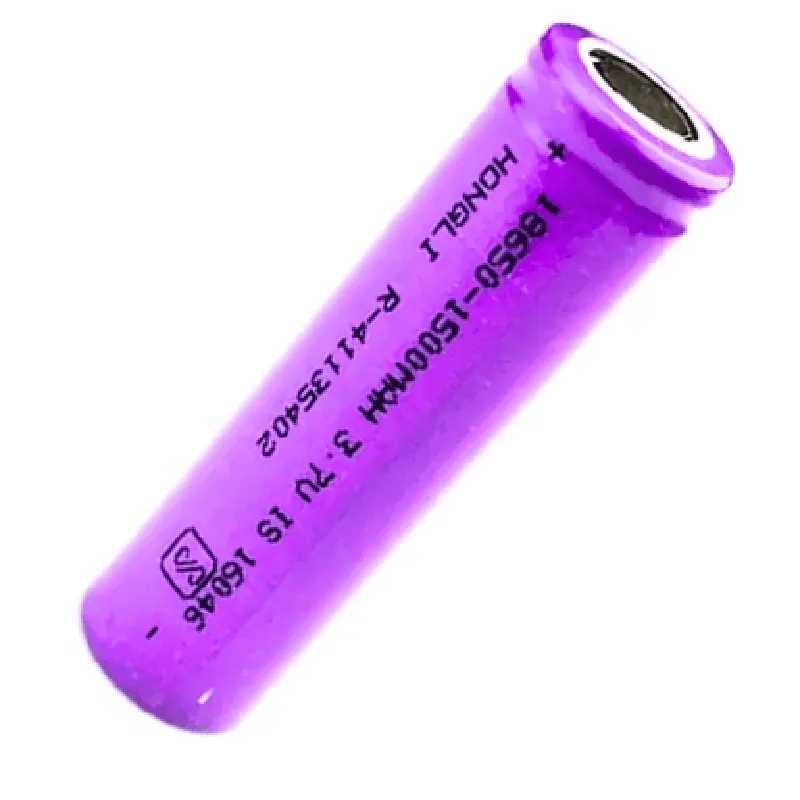
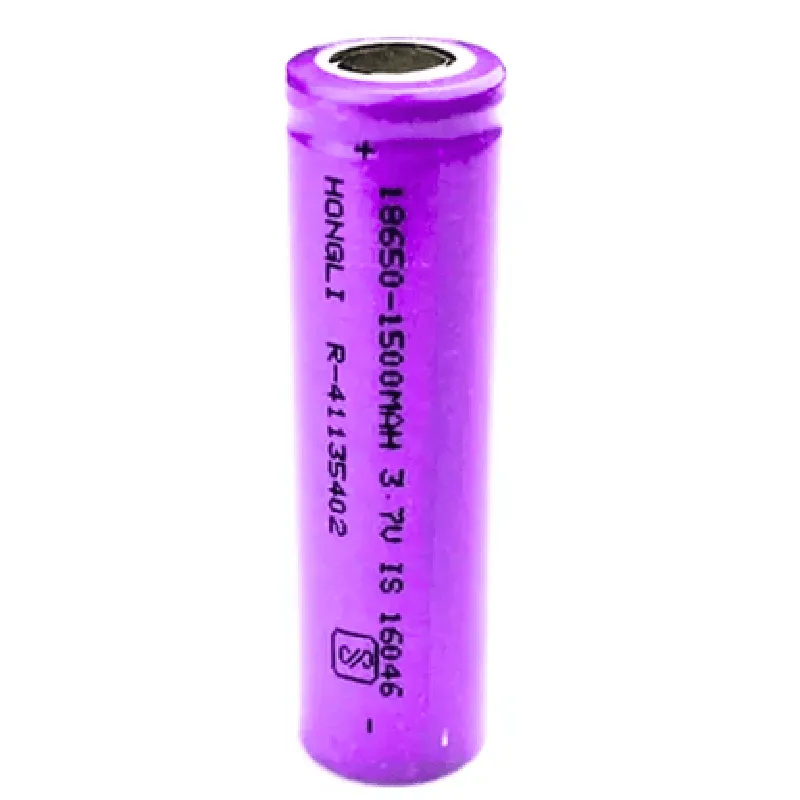
3.7V 1500mAh 18650 Battery
The 3.7V 1500mAh 18650 Battery is a rechargeable lithium-ion battery designed for use in a wide range of applications, including Internet of Things (IoT) devices, robotics, and other portable electronic systems. This battery is a popular choice due to its high energy density, long cycle life, and relatively low self-discharge rate.
The primary function of the 3.7V 1500mAh 18650 Battery is to store electrical energy that can be drawn upon as needed by the connected device. The battery operates within a nominal voltage range of 3.7V, with a maximum charging voltage of 4.2V and a minimum discharge voltage of 3.0V.
The battery has a rated capacity of 1500 milliampere-hours (mAh), indicating the amount of electric charge it can hold.
The battery's nominal voltage is 3.7 volts, which is the average voltage it provides during discharge.
The battery uses lithium-ion chemistry, known for its high energy density and relatively long cycle life.
The battery has a standard 18650 size, which is 18mm in diameter and 65mm in length.
The battery has a cylindrical shape, making it suitable for use in a variety of applications where space is limited.
The battery is designed to be recharged hundreds of times, making it a cost-effective and environmentally friendly option.
The battery often includes a built-in protection circuit (PCM) to prevent overcharge, over-discharge, and short-circuiting, ensuring safe and reliable operation.
The battery operates within a temperature range of -20C to 45C, making it suitable for use in a variety of environments.
High energy density and long cycle life make it an ideal choice for IoT devices, robots, and other portable electronic systems.
Relatively low self-discharge rate ensures the battery remains charged for longer periods when not in use.
Wide operating temperature range allows for use in a variety of environments.
Rechargeable design reduces waste and minimizes the environmental impact of battery disposal.
Handle the battery with care to avoid physical damage, which can lead to a short circuit or fire.
Store the battery in a cool, dry place away from flammable materials.
Follow proper charging and discharging procedures to ensure safe and reliable operation.
Avoid overcharging or over-discharging the battery, as this can reduce its lifespan.
By following proper handling and charging procedures, the 3.7V 1500mAh 18650 Battery can provide reliable and efficient power to your IoT device or project.
3.7V 1500mAh 18650 Battery DocumentationOverviewThe 3.7V 1500mAh 18650 Battery is a rechargeable lithium-ion battery designed for use in various IoT applications. It features a compact size, high energy density, and a long cycle life, making it an ideal choice for powering small to medium-sized devices.Key FeaturesVoltage: 3.7V
Capacity: 1500mAh
Chemistry: Lithium-ion (Li-ion)
Cycle Life: Up to 500 cycles
Dimensions: 18mm (diameter) x 65mm (length)
Weight: Approximately 45gCode Examples### Example 1: Basic Battery Connection with ArduinoThis example demonstrates how to connect the 3.7V 1500mAh 18650 Battery to an Arduino board and read the battery voltage using an analog input.Hardware RequirementsArduino Board (e.g., Arduino Uno)
3.7V 1500mAh 18650 Battery
Jumper Wires
BreadboardSoftware```c
const int batteryPin = A0; // Analog input pin for battery voltage measurement
const float voltageFactor = 4.2 / 1023; // Conversion factor for analog reading to voltagevoid setup() {
Serial.begin(9600);
}void loop() {
int batteryReading = analogRead(batteryPin);
float batteryVoltage = batteryReading voltageFactor;
Serial.print("Battery Voltage: ");
Serial.print(batteryVoltage);
Serial.println(" V");
delay(1000);
}
```### Example 2: Battery-Powered IoT Node with ESP32 and WiFiThis example demonstrates how to use the 3.7V 1500mAh 18650 Battery to power an ESP32-based IoT node that connects to a WiFi network and sends data to a remote server.Hardware RequirementsESP32 Dev Board (e.g., ESP32 DevKitC)
3.7V 1500mAh 18650 Battery
WiFi Antenna (optional)Software```c
#include <WiFi.h>const char ssid = "your_wifi_ssid";
const char password = "your_wifi_password";
const char serverUrl = "http://example.com/iot_data";WiFiClient client;void setup() {
Serial.begin(115200);
WiFi.begin(ssid, password);
while (WiFi.status() != WL_CONNECTED) {
delay(1000);
Serial.println("Connecting to WiFi...");
}
Serial.println("Connected to WiFi");
}void loop() {
int batteryLevel = getBatteryLevel();
Serial.print("Battery Level: ");
Serial.print(batteryLevel);
Serial.println(" %");
if (WiFi.status() == WL_CONNECTED) {
HTTPClient http;
http.begin(serverUrl);
http.addHeader("Content-Type", "application/json");
int httpResponseCode = http.POST("{""battery_level"": " + String(batteryLevel) + "}");
http.end();
}
delay(60000); // Send data every 1 minute
}int getBatteryLevel() {
// Implement battery level calculation based on voltage reading
// For this example, assume a simple linear scaling
int batteryReading = analogRead(32); // Use a suitable analog input pin
return map(batteryReading, 0, 1023, 0, 100);
}
```These examples demonstrate the basic usage of the 3.7V 1500mAh 18650 Battery in IoT applications. The battery can be used in a variety of projects, including robotics, wearables, and environmental monitoring systems, among others.