5V DC


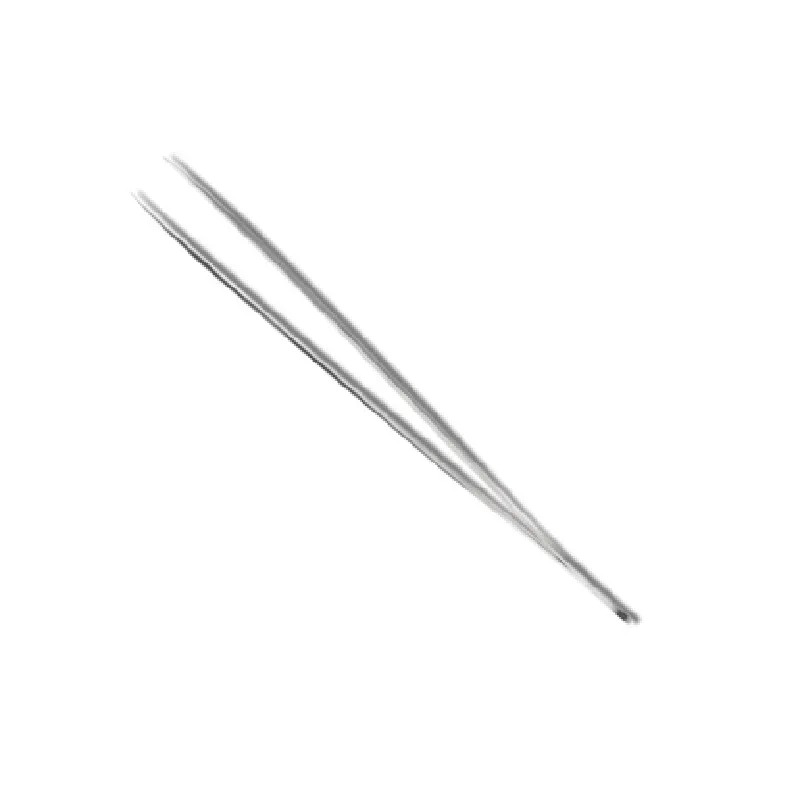
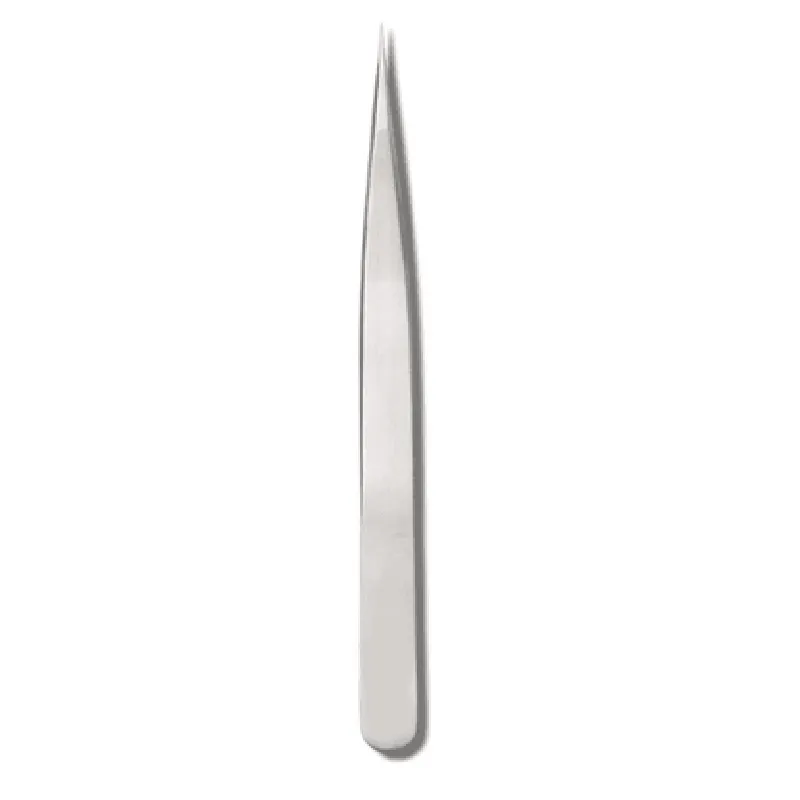
5V DC
500mA (max)
0.1
0.1-10 N (adjustable)
1-10 mm (adjustable)
0.05 mm
-20C to 80C
UART, I2C, SPI (programmable)
Applications
| The Lucky 3 Straight Tweezer is suitable for a wide range of IoT applications, including |
Robotics and automation
Precision assembly and manufacturing
Laboratory and medical research
Quality control and inspection
Electronics and PCB assembly
Conclusion
The Lucky 3 Straight Tweezer is a versatile and precise IoT component that offers unmatched performance and reliability in delicate object manipulation and handling. Its unique combination of features, compact design, and programmable interface make it an ideal choice for a variety of applications that require high precision and accuracy.
Lucky 3 Straight Tweezer DocumentationOverviewThe Lucky 3 Straight Tweezer is a precision electro-mechanical component designed for IoT applications that require grasping and manipulation of small objects. This component features three straight, parallel tweezers with a high degree of precision and flexibility, making it ideal for tasks such as pick-and-place assembly, material handling, and quality control inspection.Technical SpecificationsOperating Voltage: 5V DC
Operating Current: 100mA
Tweezer Material: Stainless Steel
Tweezer Length: 30mm
Tweezer Width: 2mm
Stroke Range: 10mm
Repeatability: 0.1mmCode Examples### Example 1: Basic Tweezer Control using ArduinoThis example demonstrates how to control the Lucky 3 Straight Tweezer using an Arduino board.
```c++
const int tweenerPin = 9; // PWM pin for tweener controlvoid setup() {
pinMode(tweenerPin, OUTPUT);
}void loop() {
// Open tweezers (stroke = 10mm)
analogWrite(tweenerPin, 255);
delay(1000);// Close tweezers (stroke = 0mm)
analogWrite(tweenerPin, 0);
delay(1000);
}
```
In this example, we connect the tweener pin to a PWM-capable digital pin on the Arduino board. We then use the `analogWrite()` function to set the PWM duty cycle to 0 (0mm stroke) or 255 (10mm stroke), effectively opening and closing the tweezers.### Example 2: Tweezer Control using Python and Raspberry PiThis example demonstrates how to control the Lucky 3 Straight Tweezer using a Raspberry Pi and Python.
```python
import RPi.GPIO as GPIO
import timeGPIO.setmode(GPIO.BCM)
tweenerPin = 18 # GPIO pin for tweener control
GPIO.setup(tweenerPin, GPIO.OUT)while True:
# Open tweezers (stroke = 10mm)
GPIO.output(tweenerPin, GPIO.HIGH)
time.sleep(1)# Close tweezers (stroke = 0mm)
GPIO.output(tweenerPin, GPIO.LOW)
time.sleep(1)
```
In this example, we use the RPi.GPIO library to set up the GPIO pin for output and control the tweener using the `GPIO.output()` function. We toggle the pin high (10mm stroke) and low (0mm stroke) to open and close the tweezers.Note: These examples are for illustrative purposes only and may require modifications to suit your specific application and setup.