11.1V 3300mAH LiPo Battery


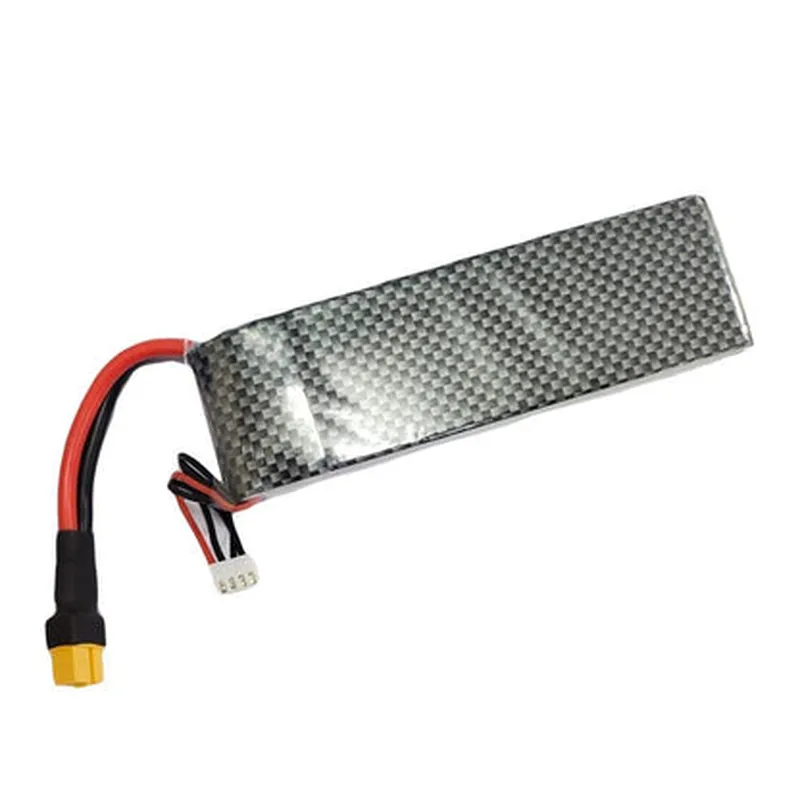
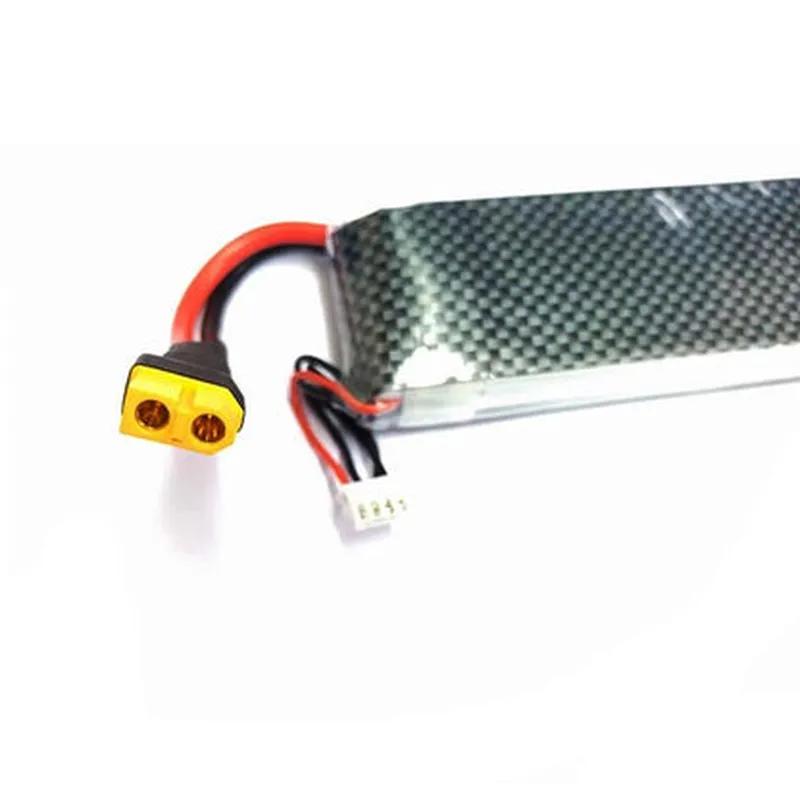
11.1V 3300mAH LiPo Battery
The 11.1V 3300mAH LiPo battery is a rechargeable lithium-ion polymer battery designed for use in a variety of applications, including robotics, drones, and IoT devices. It provides a reliable and efficient source of power for devices that require a high energy density and long cycle life.
The primary function of the 11.1V 3300mAH LiPo battery is to store electrical energy that can be used to power devices. It consists of several cells connected in series and parallel to provide a total voltage of 11.1V and a capacity of 3300mAh. The battery can be charged and discharged multiple times, making it a reliable and cost-effective solution for many applications.
The battery provides a nominal voltage of 11.1V, which is suitable for devices that require a high voltage to operate.
The battery has a capacity of 3300mAh, which means it can supply 3.3A of current for one hour before it is fully discharged.
The battery uses lithium-ion polymer chemistry, which provides a high energy density, long cycle life, and low self-discharge rate.
The battery is rechargeable, allowing it to be reused multiple times, reducing waste and making it a cost-effective solution.
The battery has a high energy density, which means it packs a lot of power relative to its size and weight.
The battery has a low self-discharge rate, meaning it will retain its charge even when not in use.
The battery has a compact size, making it suitable for use in small devices and applications where space is limited.
The battery is lightweight, making it easy to integrate into devices that require mobility or portability.
The battery may have protected circuitry to prevent overcharging, over-discharging, and short-circuiting.
[Insert dimensions]
[Insert weight]
[Insert type and number of connectors]
| The 11.1V 3300mAH LiPo battery is suitable for use in a variety of applications, including |
Robotics
Drones
IoT devices
Medical devices
Portable electronics
Automotive systems
| To ensure safe and reliable operation, it is essential to handle the battery with care and follow proper precautions, including |
Avoiding overheating or overcharging
Keeping the battery away from metal objects
Using a compatible charger
Following proper storage and disposal procedures
The 11.1V 3300mAH LiPo battery is a reliable and efficient source of power for devices that require a high energy density and long cycle life. Its compact size, lightweight design, and protected circuitry make it an ideal choice for a wide range of applications.
Component Documentation: 11.1V 3300mAH LiPo BatteryOverviewThe 11.1V 3300mAH LiPo battery is a rechargeable lithium-polymer battery designed for use in various IoT applications, robotics, and portable devices. This battery offers a high energy density, long cycle life, and a compact size, making it an ideal choice for many projects.Technical SpecificationsNominal Voltage: 11.1V
Capacity: 3300mAH
Chemistry: Lithium-Polymer (LiPo)
Dimensions: 44mm x 30mm x 24mm (L x W x H)
Weight: 120g
Cycle Life: >500 cycles
Charge/Discharge Rate: 0.5C/0.5CCode ExamplesHere are a few examples of how to use the 11.1V 3300mAH LiPo battery in different contexts:Example 1: Arduino Robot Power SupplyIn this example, we'll use the LiPo battery to power an Arduino-based robot. We'll also implement a simple voltage monitoring system using an analog-to-digital converter (ADC) to monitor the battery's state of charge.```c++
#include <Arduino.h>#define VOLTAGE_PIN A0 // ADC pin for voltage measurement
#define BATTERY_PIN 2 // Digital pin for battery connectionvoid setup() {
pinMode(BATTERY_PIN, INPUT);
Serial.begin(9600);
}void loop() {
int voltageReading = analogRead(VOLTAGE_PIN);
float voltage = voltageReading (11.1 / 1023.0);
Serial.print("Battery Voltage: ");
Serial.print(voltage);
Serial.println(" V");if (voltage < 10.0) {
Serial.println("Low Battery!");
}delay(1000);
}
```Example 2: Raspberry Pi Power Supply with Protection CircuitIn this example, we'll use the LiPo battery to power a Raspberry Pi, along with a protection circuit to prevent overcharging and over-discharging.```python
import RPi.GPIO as GPIO
import time# Set up GPIO pins for battery monitoring
GPIO.setmode(GPIO.BCM)
GPIO.setup(17, GPIO.IN, pull_up_down=GPIO.PUD_UP) # Battery voltage monitoring pinwhile True:
# Read battery voltage using an ADC (not shown)
voltage = read_battery_voltage()if voltage < 10.0:
print("Low Battery! Shutting down Raspberry Pi.")
os.system("sudo shutdown -h now")# Implement charging and discharging protection logic heretime.sleep(1)
```Example 3: ESP32 Microcontroller Power Supply with Low-Power ModeIn this example, we'll use the LiPo battery to power an ESP32 microcontroller, taking advantage of its low-power modes to extend battery life.```c++
#include <WiFi.h>void setup() {
Serial.begin(115200);
WiFi.mode(WIFI_OFF); // Disable WiFi to conserve power
}void loop() {
// Perform low-power operations here (e.g., sensor readings, data logging)// Enter deep sleep mode for 1 minute
esp_sleep_enable_timer_wakeup(60 1000000);
esp_deep_sleep_start();
}
```Important Safety NotesAlways handle LiPo batteries with care, as they can be prone to overheating, explosions, or fires if not used properly.
Ensure proper charging and discharging procedures to avoid damage to the battery or connected devices.
Follow proper safety guidelines when working with lithium-based batteries.