High-quality plastic or ABS


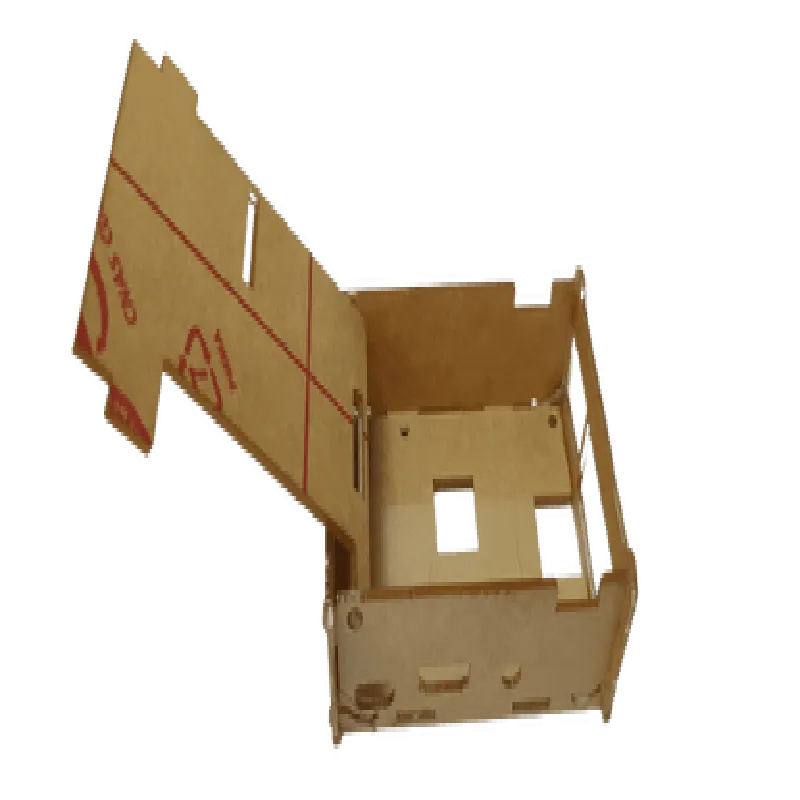
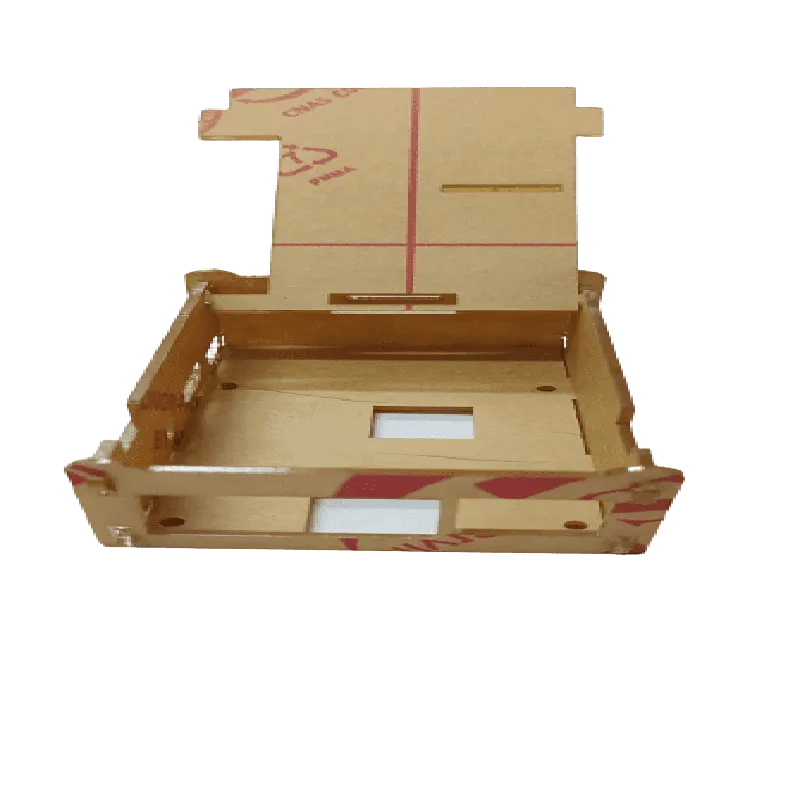
High-quality plastic or ABS
[Insert dimensions, e.g., 95 x 65 x 25 mm]
[Insert weight, e.g., 50g]
Raspberry Pi 2 and Raspberry Pi 3
[Insert color options, e.g., black, white, transparent]
Applications
| The Raspberry Pi 2-3 Case is suitable for a wide range of applications, including |
Conclusion
The Raspberry Pi 2-3 Case is a versatile and reliable enclosure for the Raspberry Pi 2 and Raspberry Pi 3 boards. Its durable construction, ventilation, and easy access features make it an ideal choice for a wide range of projects and applications.
Raspberry Pi 2-3 Case DocumentationOverviewThe Raspberry Pi 2-3 Case is a protective enclosure designed specifically for Raspberry Pi 2 and 3 single-board computers. This case provides a rugged and durable housing for the Raspberry Pi, protecting it from physical damage and environmental factors. The case is designed to be easy to assemble and disassemble, making it ideal for prototyping, development, and production.Key FeaturesCompatible with Raspberry Pi 2 and 3
Durable and rugged design
Easy assembly and disassembly
Access to all ports and connections
Compact and portable designConnecting the Case to a Raspberry PiTo connect the Raspberry Pi 2-3 Case to a Raspberry Pi, follow these steps:1. Begin by attaching the four screws to the bottom of the Raspberry Pi.
2. Place the Raspberry Pi into the case, ensuring that it is properly aligned with the screw holes.
3. Secure the Raspberry Pi to the case using the screws.Code Examples### Example 1: Basic Python Script to Blink an LEDThis example demonstrates how to use the Raspberry Pi 2-3 Case in a simple Python script to blink an LED. Connect an LED to GPIO pin 17 and GND.```
import RPi.GPIO as GPIO
import time# Set up GPIO mode
GPIO.setmode(GPIO.BCM)# Set up GPIO pin 17 as output
GPIO.setup(17, GPIO.OUT)try:
while True:
# Turn on the LED
GPIO.output(17, GPIO.HIGH)
time.sleep(1)
# Turn off the LED
GPIO.output(17, GPIO.LOW)
time.sleep(1)except KeyboardInterrupt:
# Clean up GPIO on exit
GPIO.cleanup()
```### Example 2: Using the Raspberry Pi Camera ModuleThis example demonstrates how to use the Raspberry Pi 2-3 Case with the Raspberry Pi Camera Module to capture an image.```
import picamera# Create a new camera object
camera = picamera.PiCamera()# Set the camera resolution
camera.resolution = (640, 480)# Capture an image
camera.capture('image.jpg')# Clean up
camera.close()
```### Example 3: Home Automation using Flask and GPIOThis example demonstrates how to use the Raspberry Pi 2-3 Case in a home automation project using Flask and GPIO to control an LED.```
from flask import Flask, request
import RPi.GPIO as GPIOapp = Flask(__name__)# Set up GPIO mode
GPIO.setmode(GPIO.BCM)# Set up GPIO pin 17 as output
GPIO.setup(17, GPIO.OUT)@app.route('/led/on', methods=['GET'])
def led_on():
GPIO.output(17, GPIO.HIGH)
return 'LED is on'@app.route('/led/off', methods=['GET'])
def led_off():
GPIO.output(17, GPIO.LOW)
return 'LED is off'if __name__ == '__main__':
app.run(debug=True)
```Note: These examples assume that you have the necessary libraries and modules installed on your Raspberry Pi. You may need to install additional software or libraries depending on your specific use case.