24V DC


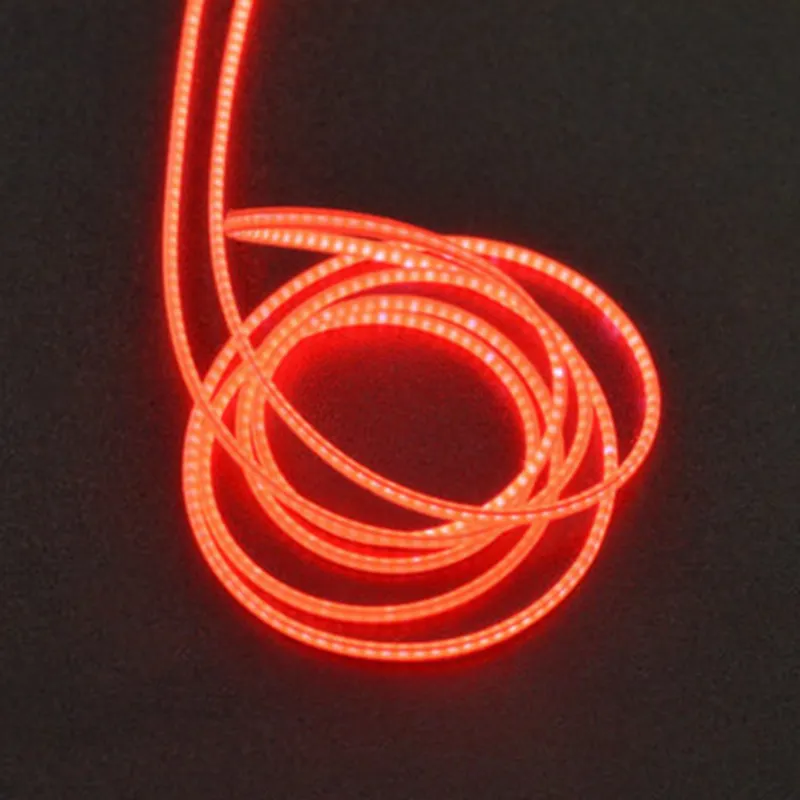
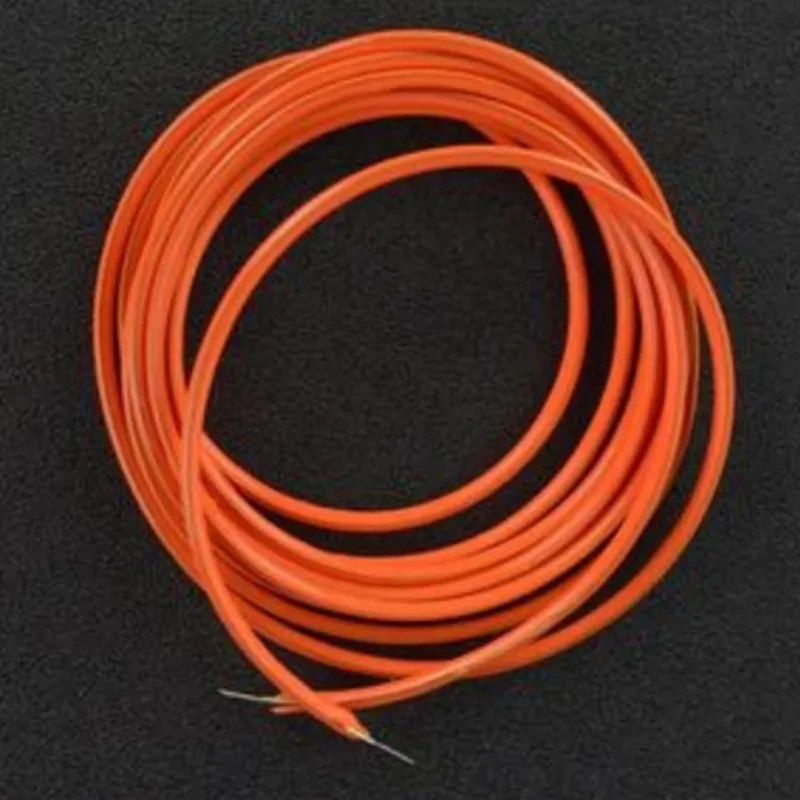
24V DC
Low power consumption, typically around 2-3W/m
50mA/m (maximum)
### Optical Characteristics
Red (approx. 620-750nm)
20-30 lumens per meter
| Color Rendering Index (CRI) | 80 |
120
### Mechanical Characteristics
1200mm (4.2 feet)
10mm (0.39 inches)
2mm (0.079 inches)
Bendable up to 30
Flexible PCB (Printed Circuit Board) with a clear silicone coating
### Environmental Characteristics
-20C to 50C (-4F to 122F)
-30C to 60C (-22F to 140F)
20-80% RH (relative humidity)
### Durability and Reliability
25,000 hours
IP65 (dust-tight and protected against low-pressure jets of water)
### Certifications and Compliance
Compliant with the Restriction of Hazardous Substances directive
Compliant with the European Union's health, safety, and environmental protection standards
Applications
--------------
| The Flexible LED Filament (24V 1200mm, Red) is suitable for a wide range of applications, including |
Ambient lighting
Signage and wayfinding
Decorative lighting
Architectural lighting
IoT projects
Automotive lighting
Industrial lighting
Installation and Handling
------------------------------
Handle the Flexible LED Filament with care to avoid damaging the LEDs or the flexible PCB. Cut the filament to the desired length using a pair of scissors or a craft knife. Connect the filament to a 24V DC power source using a suitable connector or soldering technique. Ensure proper thermal management and avoid exposing the filament to excessive heat, moisture, or mechanical stress.
Warranty and Support
-------------------------
The Flexible LED Filament (24V 1200mm, Red) is backed by a 1-year limited warranty. For technical support, documentation, and FAQs, please visit the manufacturer's website or contact their customer support team.
Flexible LED Filament (24V 1200mm, Red) DocumentationOverviewThe Flexible LED Filament (24V 1200mm, Red) is a flexible, linear LED lighting solution designed for various IoT applications. This component features a 1200mm long, flexible PCB with 24V rated LEDs in a red color. The filament can be bent and shaped to fit various forms and designs, making it ideal for decorative lighting, ambient lighting, and other creative applications.Technical SpecificationsVoltage: 24V
Length: 1200mm
Color: Red
LED Density: 30 LEDs per meter
Flexibility: Can be bent to a minimum radius of 10mm
Operating Temperature: -20C to 60C
Waterproof Rating: IP65 (dustproof and water-resistant)PinoutThe Flexible LED Filament has a simple 2-wire interface:VCC (Red wire): 24V power supply
GND (Black wire): Ground connectionCode Examples### Example 1: Basic On/Off Control using ArduinoThis example demonstrates how to control the Flexible LED Filament using an Arduino board.```cpp
const int ledPin = 9; // VCC wire connected to digital pin 9
const int gndPin = 8; // GND wire connected to digital pin 8void setup() {
pinMode(ledPin, OUTPUT);
pinMode(gndPin, OUTPUT);
}void loop() {
// Turn the LED on
digitalWrite(ledPin, HIGH);
digitalWrite(gndPin, LOW);
delay(1000);// Turn the LED off
digitalWrite(ledPin, LOW);
digitalWrite(gndPin, HIGH);
delay(1000);
}
```### Example 2: PWM Dimming using Raspberry Pi (Python)This example demonstrates how to control the brightness of the Flexible LED Filament using PWM (Pulse-Width Modulation) on a Raspberry Pi.```python
import RPi.GPIO as GPIO
import time# Set up GPIO mode
GPIO.setmode(GPIO.BCM)# Define the PWM pin (connected to VCC wire)
pwm_pin = 17# Set up PWM pin as output
GPIO.setup(pwm_pin, GPIO.OUT)# Create a PWM object with a frequency of 100Hz
pwm = GPIO.PWM(pwm_pin, 100)try:
while True:
# Dim the LED from 0 to 100%
for dc in range(0, 101, 10):
pwm.start(dc)
time.sleep(0.1)# Dim the LED from 100 to 0%
for dc in range(100, -1, -10):
pwm.start(dc)
time.sleep(0.1)except KeyboardInterrupt:
pwm.stop()
GPIO.cleanup()
```NotesMake sure to use an appropriate power supply and current limiting resistor to avoid overheating or damaging the LEDs.
When bending the Flexible LED Filament, avoid kinking or creasing the PCB to ensure optimal performance and longevity.
This component is not suitable for outdoor use in direct sunlight or exposure to harsh environmental conditions.