RTC Battery for Raspberry Pi 5


RTC Battery for Raspberry Pi 5
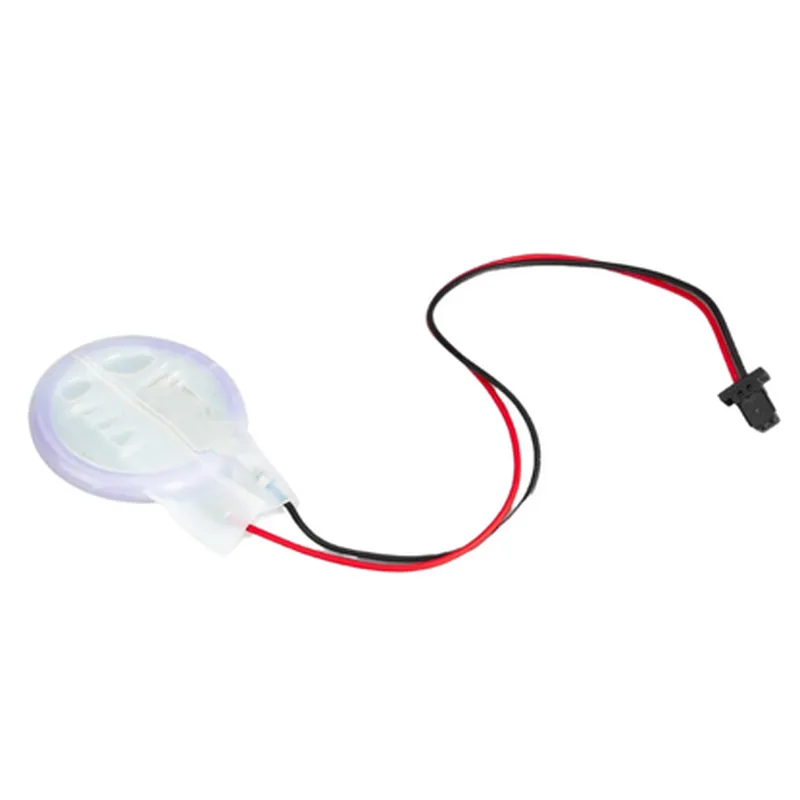
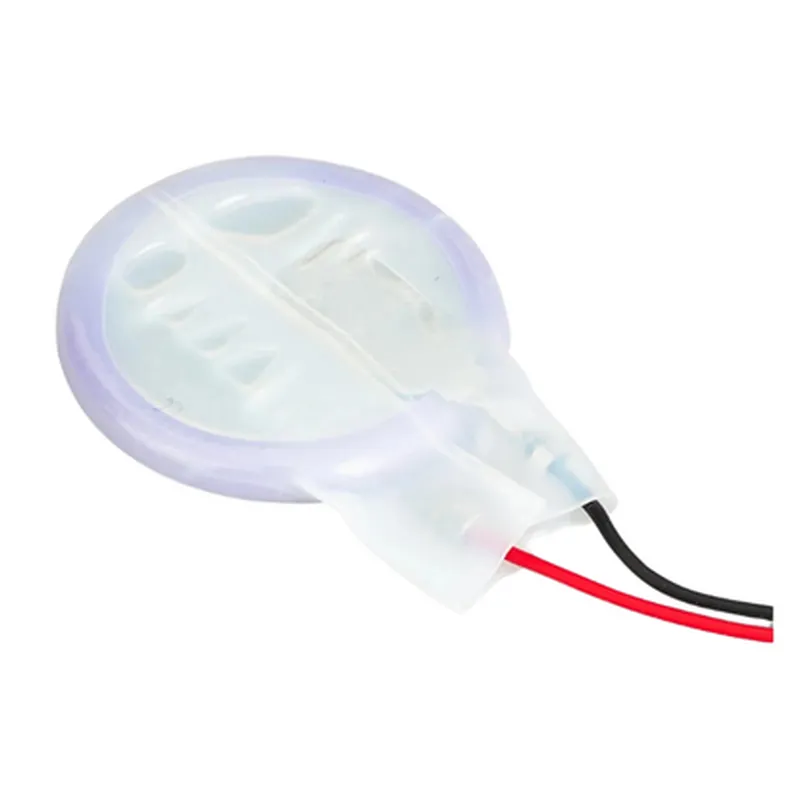
The RTC (Real-Time Clock) Battery for Raspberry Pi 5 is a small, compact component designed to provide a reliable timing source for the Raspberry Pi 5 single-board computer. This component is essential for applications that require accurate timekeeping, even when the Raspberry Pi is powered off or in sleep mode.
The RTC Battery module is responsible for maintaining the current date and time on the Raspberry Pi 5, ensuring that the system clock remains accurate and up-to-date. This is achieved through a dedicated Real-Time Clock (RTC) chip, which is powered by a small battery. The battery provides a continuous power source to the RTC chip, allowing it to maintain the clock even when the Raspberry Pi is turned off or disconnected from a power source.
DS1307 or equivalent
CR2032 or equivalent
Minimum 5 years
Less than 1 A
-40C to 85C
15 mm x 20 mm x 2 mm
Approximately 2 grams
| The RTC Battery for Raspberry Pi 5 is ideal for projects that require accurate timekeeping, such as |
Automation and control systems
IoT devices
Data logging and monitoring systems
Weather stations
Security systems
Home automation systems
The RTC Battery module is easy to install and configure. Simply connect the module to the Raspberry Pi 5's GPIO header, and configure the operating system to use the RTC chip. Detailed installation and configuration instructions are available in the accompanying documentation.
By providing a reliable and accurate timing source, the RTC Battery for Raspberry Pi 5 enables developers to create more sophisticated and reliable projects that depend on precise timekeeping.
RTC Battery for Raspberry Pi 5 DocumentationOverviewThe RTC (Real-Time Clock) Battery for Raspberry Pi 5 is a backup power source designed to maintain accurate timekeeping even when the Raspberry Pi 5 is powered off. This component ensures that your Raspberry Pi 5 retains its system clock and schedule, even in the event of a power failure.Technical SpecificationsVoltage: 3.0V to 5.5V
Capacity: 20mAh
Lithium-ion rechargeable battery
Compatible with Raspberry Pi 5PinoutThe RTC Battery for Raspberry Pi 5 has the following pinout:| Pin | Function |
| --- | --- |
| VCC | Power input (3.0V to 5.5V) |
| GND | Ground |
| SCL | I2C clock |
| SDA | I2C data |
| BAT | Battery connection |Software SupportThe RTC Battery for Raspberry Pi 5 is supported by the Raspberry Pi OS and can be accessed using the `rtc` module in Python.Code Examples### Example 1: Basic RTC UsageThis example demonstrates how to use the RTC Battery for Raspberry Pi 5 to set and retrieve the system clock.
```python
import rtc# Initialize the RTC
rtc.init()# Set the system clock to 2023-03-15 14:30:00
rtc.set_datetime(2023, 3, 15, 14, 30, 0)# Retrieve the current system clock
dt = rtc.get_datetime()
print("Current datetime:", dt)
```
### Example 2: Scheduling with RTC and PythonThis example shows how to use the RTC Battery for Raspberry Pi 5 to schedule a task to run at a specific time using Python's `schedule` library.
```python
import rtc
import schedule
import time# Initialize the RTC
rtc.init()# Set the system clock to 2023-03-15 14:30:00
rtc.set_datetime(2023, 3, 15, 14, 30, 0)# Define a function to run at 15:00 every day
def daily_task():
print("Daily task executed!")# Schedule the task to run at 15:00 every day
schedule.every().day.at("15:00").do(daily_task)while True:
schedule.run_pending()
time.sleep(1)
```
schematicsPlease refer to the datasheet provided with the RTC Battery for Raspberry Pi 5 for detailed schematics and connection diagrams.TroubleshootingEnsure the RTC Battery is properly connected to the Raspberry Pi 5.
Verify that the Raspberry Pi 5 is running the latest version of the Raspberry Pi OS.
Check the RTC Battery's voltage level to ensure it is within the recommended range.ConclusionThe RTC Battery for Raspberry Pi 5 is a reliable and convenient solution for maintaining accurate timekeeping in IoT projects. With its simple pinout and software support, it's an ideal component for a wide range of applications, from automation to wearable devices.