4 Start T Type Copper Nut - 2mm Pitch


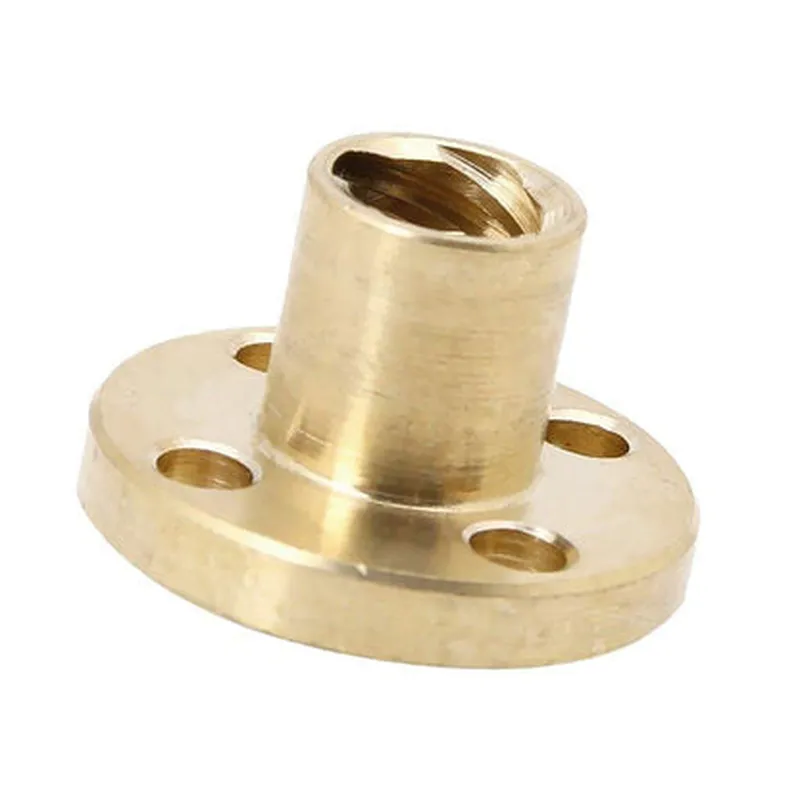
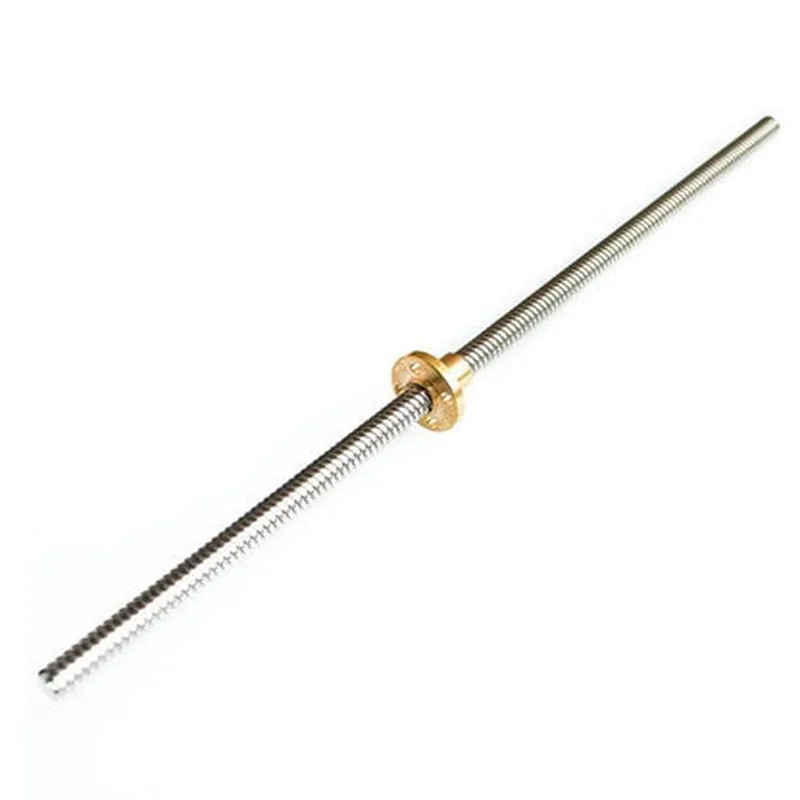
4 Start T Type Copper Nut - 2mm Pitch
The 4 Start T Type Copper Nut - 2mm Pitch is a type of electrical connector nut designed for use in IoT applications, particularly in those that require secure and reliable connections. This component is specifically engineered to provide a sturdy and efficient connection between male and female connectors, ensuring uninterrupted data transmission and power supply.
| The primary function of the 4 Start T Type Copper Nut - 2mm Pitch is to provide a secure and reliable connection between two mating connectors. This is achieved through the following mechanisms |
The 4-start thread design enables a robust and secure mating process, ensuring that the connectors remain firmly attached even in high-vibration or high-stress environments.
The T-type design allows for easy installation and removal of the nut, making it convenient for maintenance and repair operations.
The copper material used in the construction of the nut provides excellent electrical conductivity, ensuring minimal signal loss and impedance.
Copper
4-Start T-Type
2mm
-40C to 150C
Excellent
| The 4 Start T Type Copper Nut - 2mm Pitch is suitable for use in a variety of IoT applications, including |
Industrial automation and control systems
Automotive systems and sensors
Outdoor environmental monitoring and sensing devices
Smart home and building automation systems
Wearable devices and IoT-enabled accessories
The 4 Start T Type Copper Nut - 2mm Pitch is a reliable and efficient component designed to provide secure and reliable connections in IoT applications. Its robust design, excellent electrical conductivity, and high-temperature resistance make it an ideal choice for use in industrial, automotive, and outdoor IoT applications.
Component Documentation: 4 Start T Type Copper Nut - 2mm PitchOverviewThe 4 Start T Type Copper Nut - 2mm Pitch is a type of connector nut designed for use with copper wires in IoT applications. It features a 4-start thread and a 2mm pitch, making it compatible with a wide range of wire sizes. This component is ideal for secure and reliable connections in applications where space is limited.Technical SpecificationsMaterial: Copper
Thread type: 4-start
Pitch: 2mm
Wire size compatibility: 0.5mm to 1.5mm
Operating temperature: -20C to 80CCode Examples### Example 1: Arduino IoT Project - Connecting Copper Wires to a BreadboardIn this example, we'll demonstrate how to use the 4 Start T Type Copper Nut - 2mm Pitch to connect copper wires to a breadboard in an Arduino IoT project.Hardware RequirementsArduino Board (e.g. Arduino Uno)
Breadboard
Copper wires (0.5mm to 1.5mm)
4 Start T Type Copper Nut - 2mm Pitch
Jumper wiresCode
```c
const int ledPin = 13; // Pin 13 for connecting an LEDvoid setup() {
pinMode(ledPin, OUTPUT);
}void loop() {
digitalWrite(ledPin, HIGH); // Turn the LED on
delay(1000); // Wait for 1 second
digitalWrite(ledPin, LOW); // Turn the LED off
delay(1000); // Wait for 1 second
}
```
Connection Diagram1. Connect a copper wire to the 4 Start T Type Copper Nut - 2mm Pitch.
2. Connect the other end of the copper wire to a jumper wire.
3. Connect the jumper wire to Pin 13 on the Arduino Board.
4. Connect the LED to Pin 13 on the Arduino Board and a ground pin.
5. Upload the code to the Arduino Board.### Example 2: Raspberry Pi IoT Project - Connecting Copper Wires to a GPIO PinIn this example, we'll demonstrate how to use the 4 Start T Type Copper Nut - 2mm Pitch to connect copper wires to a GPIO pin on a Raspberry Pi in an IoT project.Hardware RequirementsRaspberry Pi (e.g. Raspberry Pi 4)
Copper wires (0.5mm to 1.5mm)
4 Start T Type Copper Nut - 2mm Pitch
Jumper wires
BreadboardCode
```python
import RPi.GPIO as GPIO
import timeGPIO.setmode(GPIO.BCM)GPIO.setup(17, GPIO.OUT) # Set GPIO 17 as an outputwhile True:
GPIO.output(17, GPIO.HIGH) # Set GPIO 17 high
time.sleep(1) # Wait for 1 second
GPIO.output(17, GPIO.LOW) # Set GPIO 17 low
time.sleep(1) # Wait for 1 second
```
Connection Diagram1. Connect a copper wire to the 4 Start T Type Copper Nut - 2mm Pitch.
2. Connect the other end of the copper wire to a jumper wire.
3. Connect the jumper wire to GPIO 17 on the Raspberry Pi.
4. Connect the LED to GPIO 17 on the Raspberry Pi and a ground pin.
5. Run the code on the Raspberry Pi.Note: These code examples are for demonstration purposes only and may require modifications to suit specific project requirements. Ensure proper safety precautions when working with electrical components.