8mm


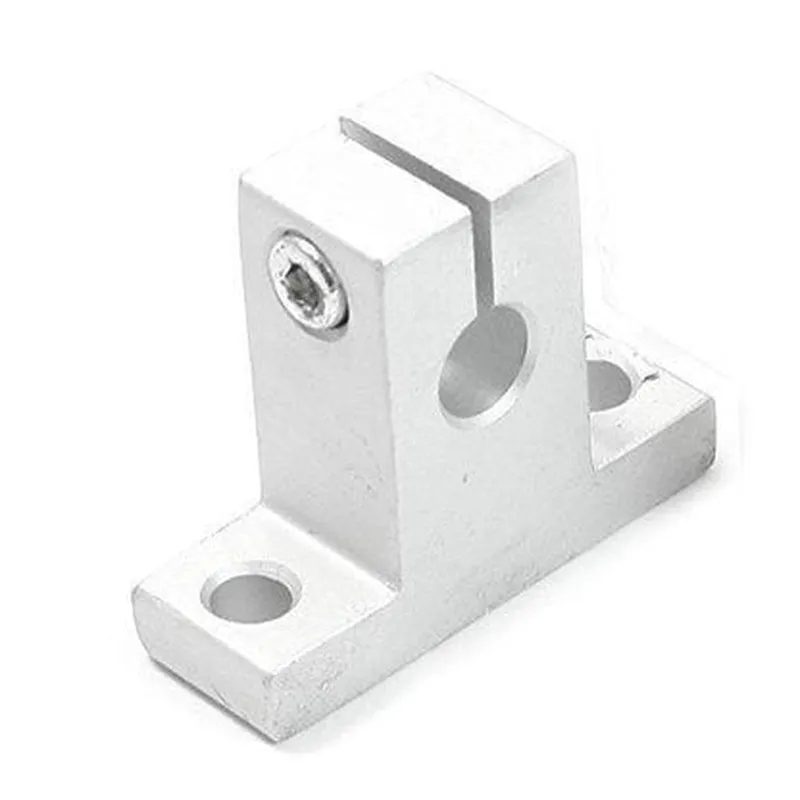
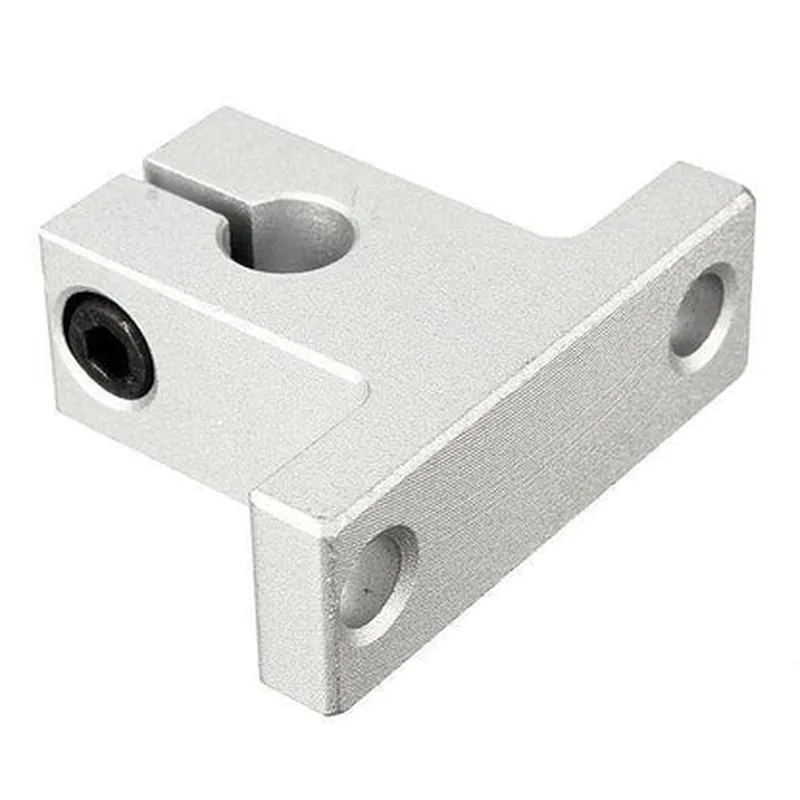
8mm
Hardened steel
Chrome plating
Various lengths available (e.g., 300mm, 500mm, 1000mm)
0.01mm
Moderate to high loads (dependent on bearing type and application)
Applications
| The SK8 8mm Linear Rail Shaft is suitable for a wide range of applications, including |
Robotics
CNC machines
Automation systems
3D printers
Linear motion systems
Precision engineering
Medical devices
Conclusion
The SK8 8mm Linear Rail Shaft is a high-precision component designed for demanding linear motion applications. Its hardened steel construction, chrome plating, and ground finish make it an ideal choice for applications requiring smooth, reliable, and precise movement. With its ease of installation and compatibility with standard SK8 bearings, this shaft is an excellent addition to any linear motion system.
SK8 8mm Linear Rail Shaft DocumentationOverviewThe SK8 8mm Linear Rail Shaft is a critical component in robotics, CNC machines, and other automated systems. It provides smooth and precise linear motion, allowing for accurate and reliable movement of connected components. This documentation will provide a comprehensive overview of the SK8 8mm Linear Rail Shaft, including its features, specifications, and usage examples.Features8mm diameter shaft with a length of 300mm (standard) or customizable lengths
High-precision linear motion with minimal backlash and vibration
Heavy-duty construction for reliable performance in industrial and robotic applications
Compatible with various linear bearings and support systemsSpecificationsMaterial: High-strength steel alloy
Diameter: 8mm
Length: 300mm (standard) or customizable
Precision: 0.01mm
Load capacity: 50kg (static), 20kg (dynamic)
Operating temperature: -20C to 80CUsage Examples### Example 1: Robotic Arm Linear Motion SystemIn this example, we'll demonstrate how to use the SK8 8mm Linear Rail Shaft in a robotic arm linear motion system using an Arduino board and a stepper motor.Hardware Components:SK8 8mm Linear Rail Shaft
LME8UU Linear Bearing
NEMA 17 Stepper Motor
Arduino Uno board
Motor driver (e.g., A4988)Software Code:
```cpp
#include <Stepper.h>const int stepsPerRevolution = 200;
Stepper stepper(stepsPerRevolution, 2, 3);void setup() {
stepper.setSpeed(100);
}void loop() {
stepper.step(100); // Move the shaft 100 steps forward
delay(500);
stepper.step(-100); // Move the shaft 100 steps backward
delay(500);
}
```
Description:In this example, we use the Arduino Uno board to control the NEMA 17 stepper motor, which is connected to the SK8 8mm Linear Rail Shaft via the LME8UU Linear Bearing. The code sets the motor speed and moves the shaft 100 steps forward and backward in an infinite loop.### Example 2: CNC Machine Z-Axis Linear Motion SystemIn this example, we'll demonstrate how to use the SK8 8mm Linear Rail Shaft in a CNC machine Z-axis linear motion system using a GRBL firmware and an Arduino board.Hardware Components:SK8 8mm Linear Rail Shaft
LM8UU Linear Bearing
NEMA 23 Stepper Motor
Arduino Uno board
GRBL firmwareSoftware Code:
```cpp
#include <grbl.h>const int zAxisStepsPerMM = 1000;
const int zAxisSpeed = 500;void setup() {
grbl_init();
}void loop() {
grbl_move(zAxisStepsPerMM, zAxisSpeed); // Move the Z-axis 10mm up
delay(500);
grbl_move(-zAxisStepsPerMM, zAxisSpeed); // Move the Z-axis 10mm down
delay(500);
}
```
Description:In this example, we use the GRBL firmware to control the NEMA 23 stepper motor, which is connected to the SK8 8mm Linear Rail Shaft via the LM8UU Linear Bearing. The code sets the Z-axis speed and moves the Z-axis 10mm up and down in an infinite loop.These examples demonstrate the versatility of the SK8 8mm Linear Rail Shaft in various IoT applications, including robotics and CNC machines. By following these examples and adjusting the code to suit specific requirements, developers can integrate this component into their projects and achieve precise linear motion.