

Stufin
Home Quick Cart Profile

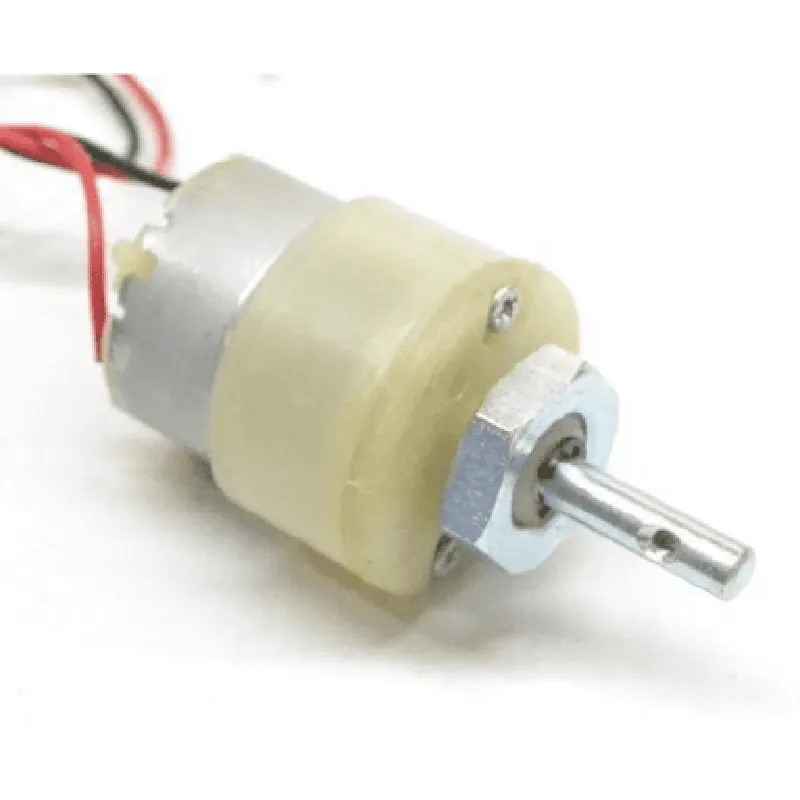
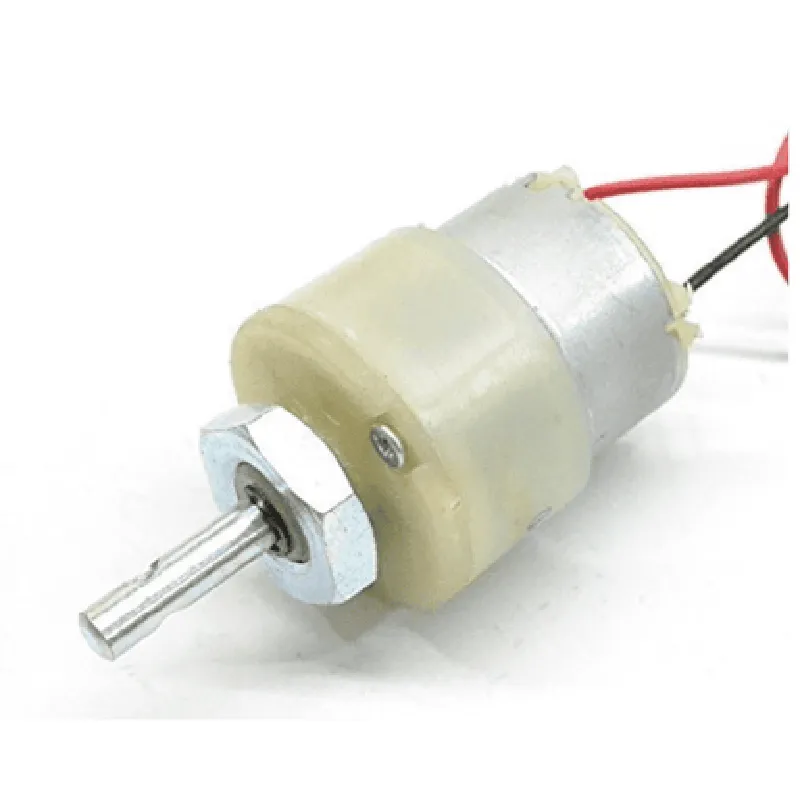
30 RPM 12V Centre Shaft DC Geared Motor

Buy Now on Stufin

Component Name

30 RPM 12V Centre Shaft DC Geared Motor

Overview

The 30 RPM 12V Centre Shaft DC Geared Motor is a compact, high-torque, and low-speed DC motor designed for applications requiring precise control and reliability. This motor is widely used in various IoT projects, robotics, and automation systems that demand high precision and accuracy.

Functionality

The 30 RPM 12V Centre Shaft DC Geared Motor operates on a 12V DC power supply and features a gearbox that reduces the motor's rotational speed while increasing its torque output. This allows the motor to deliver a consistent and stable output of 30 revolutions per minute (RPM). The motor's centre shaft design enables easy mounting and integration with other mechanical components.

Key Features

  • Output Speed: 30 RPM
  • Voltage Rating: 12V DC
  • Gear Ratio: Customizable gear ratio for precise speed and torque control
  • Centre Shaft Design: Allows for easy mounting and integration with mechanical components
  • High Torque Output: Delivers high torque output for demanding applications
  • Low Noise Operation: Operates with minimal noise, making it suitable for applications where noise reduction is essential
  • Compact Design: Compact size and lightweight design make it ideal for space-constrained applications
  • Reliability and Durability: Designed for long-term reliability and durability, with a high-quality construction and materials
  • Easy Control: Can be controlled using standard DC motor controllers and driver circuits
  • Wide Operating Temperature Range: Operates reliably over a wide temperature range, making it suitable for various environmental conditions

Electrical Characteristics

Voltage

12V DC

Current

500mA (typical)

Power

6W (typical)

stall Torque

10kg.cm (typical)

Insulation Resistance

100M (min)

Dielectric Strength

500V AC (min)

Mechanical Characteristics

Shaft Diameter

6mm (typical)

Shaft Length

15mm (typical)

Motor Body Diameter

30mm (typical)

Motor Body Length

60mm (typical)

Weight

120g (typical)

Applications

The 30 RPM 12V Centre Shaft DC Geared Motor is suitable for a wide range of applications, including

Robotics and automation systems

IoT projects requiring precise control and low-speed operation

CNC machines and 3D printers

Medical devices and equipment

Industrial automation and control systems

Security and surveillance systems

Home automation and smart home systems

Precautions and Safety Guidelines

Ensure proper voltage and current ratings are not exceeded to prevent motor damage or failure.

Use proper mounting and fastening techniques to prevent vibration and motor damage.

Avoid exposure to extreme temperatures, humidity, or environmental conditions that may affect motor performance or reliability.

Follow proper safety guidelines and protocols when working with electrical and mechanical components.

By providing a comprehensive overview of the 30 RPM 12V Centre Shaft DC Geared Motor, this documentation aims to assist technical professionals and informed hobbyists in selecting and integrating this component into their projects, ensuring successful and reliable operation.

Pin Configuration

  • 30 RPM 12V Centre Shaft DC Geared Motor Pinout and Connection Guide
  • The 30 RPM 12V Centre Shaft DC Geared Motor is a compact and efficient motor designed for various IoT applications. It features a simple two-wire connection interface, making it easy to integrate into your projects. Below is a detailed explanation of the pins and how to connect them:
  • Pinout:
  • The motor has two pins, labeled as follows:
  • 1. Positive (+) Terminal: Red Wire
  • 2. Negative (-) Terminal: Black Wire
  • Pin Connection Guide:
  • To connect the motor, follow these steps:
  • Step 1: Connect the Power Source
  • Connect the Positive (+) Terminal (Red Wire) to the positive terminal of your 12V power source (e.g., a battery or a power supply).
  • Ensure the power source is capable of providing the required current for the motor.
  • Step 2: Connect the Ground
  • Connect the Negative (-) Terminal (Black Wire) to the negative terminal of your 12V power source (e.g., a battery or a power supply) or a common ground point in your circuit.
  • Important Notes:
  • Make sure to connect the motor to a 12V power source, as excessive voltage can damage the motor.
  • Use a suitable current rating for the motor, as high currents can cause overheating and damage.
  • Avoid reversing the polarity of the motor connections, as this can damage the motor.
  • Tips and Precautions:
  • When handling the motor, avoid touching the terminals to prevent electrical shock.
  • Use insulated wires and connectors to prevent short circuits.
  • Ensure the motor is properly mounted and secured to prevent damage from vibrations or movement.
  • Monitor the motor temperature during operation and ensure it is within the recommended operating temperature range.
  • By following these connection guidelines, you can successfully integrate the 30 RPM 12V Centre Shaft DC Geared Motor into your IoT project.

Code Examples

30 RPM 12V Centre Shaft DC Geared Motor
Overview
The 30 RPM 12V Centre Shaft DC Geared Motor is a high-torque, low-speed motor designed for applications requiring precise control and reliable operation. This motor features a 12V DC input, 30 RPM output speed, and a centre shaft design, making it suitable for various robotics, automation, and IoT projects.
Technical Specifications
Input Voltage: 12V DC
 Output Speed: 30 RPM
 Torque: 30 kg-cm
 Current Consumption: 300 mA
 Centre Shaft Diameter: 6 mm
 Motor Type: DC Geared Motor
 Operating Temperature: -10C to 50C
Connecting the Motor
To connect the motor, you will need:
A 12V DC power source
 A motor driver or controller (optional)
 Jumper wires or connectors
Code Examples
Here are three code examples demonstrating how to use the 30 RPM 12V Centre Shaft DC Geared Motor in various contexts:
Example 1: Basic Motor Control using Arduino
This example demonstrates how to control the motor using an Arduino Uno board.
```c
const int motorPin = 9;  // Pin connected to motor driver or controller
void setup() {
  pinMode(motorPin, OUTPUT);
}
void loop() {
  // Set motor speed to 50% (15 RPM)
  analogWrite(motorPin, 128);
  delay(5000);
// Set motor speed to 100% (30 RPM)
  analogWrite(motorPin, 255);
  delay(5000);
// Turn off the motor
  analogWrite(motorPin, 0);
  delay(5000);
}
```
Example 2: Motor Control using Raspberry Pi and Python
This example demonstrates how to control the motor using a Raspberry Pi and the RPi.GPIO library in Python.
```python
import RPi.GPIO as GPIO
import time
# Set up GPIO mode
GPIO.setmode(GPIO.BCM)
# Define motor pin
motor_pin = 17
# Set up motor pin as output
GPIO.setup(motor_pin, GPIO.OUT)
try:
    while True:
        # Set motor speed to 50% (15 RPM)
        GPIO.PWM(motor_pin, 50).start(50)
        time.sleep(5)
# Set motor speed to 100% (30 RPM)
        GPIO.PWM(motor_pin, 50).start(100)
        time.sleep(5)
# Turn off the motor
        GPIO.output(motor_pin, GPIO.LOW)
        time.sleep(5)
except KeyboardInterrupt:
    GPIO.cleanup()
```
Example 3: Motor Control using ESP32 and MicroPython
This example demonstrates how to control the motor using an ESP32 board and MicroPython.
```python
import machine
import utime
# Define motor pin
motor_pin = machine.Pin(27, machine.Pin.OUT)
try:
    while True:
        # Set motor speed to 50% (15 RPM)
        motor_pin.value(1)
        utime.sleep_ms(5000)
# Set motor speed to 100% (30 RPM)
        motor_pin.value(2)
        utime.sleep_ms(5000)
# Turn off the motor
        motor_pin.value(0)
        utime.sleep_ms(5000)
except KeyboardInterrupt:
    pass
```
Note: In all examples, you may need to adjust the pin connections and motor driver/controller configurations according to your specific hardware setup. Additionally, ensure that the motor is properly powered and protected from overheating or overcurrent conditions.