AC/230V - 35mm 230V AC Continuous Buzzer


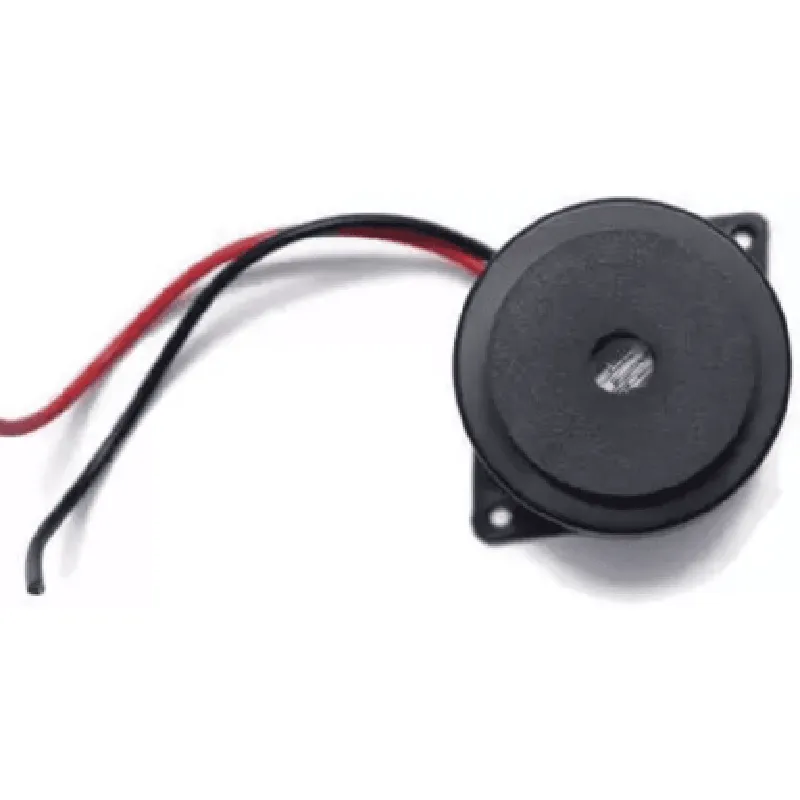
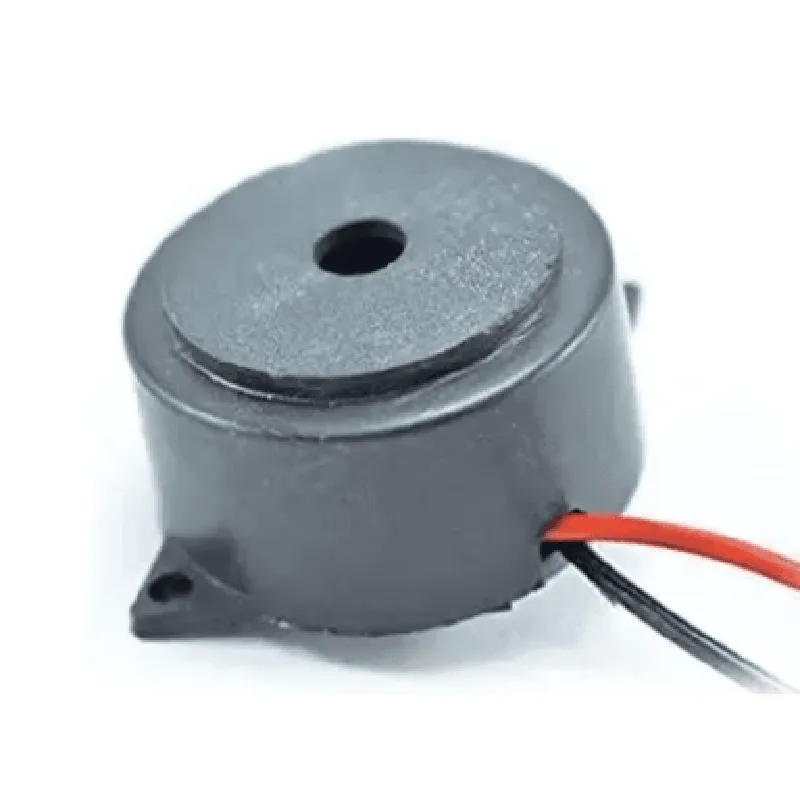
AC/230V - 35mm 230V AC Continuous Buzzer
The AC/230V - 35mm 230V AC Continuous Buzzer is an electro-mechanical component designed to produce a continuous audible sound when an alternating current (AC) voltage is applied to its terminals. This buzzer is specifically intended for use in applications where a warning or alarm signal is required, such as in industrial control systems, security systems, and alarm devices.
When an AC voltage of 230V is applied to the buzzer's terminals, the internal electromagnet generates a magnetic field, which attracts a metal diaphragm. As the AC voltage alternates, the diaphragm oscillates, producing a continuous audible sound. The buzzer's design ensures a consistent and reliable operation, making it suitable for a wide range of applications.
When handling the buzzer, avoid touching the metal diaphragm or internal components to prevent damage or electrical shock.
Ensure proper electrical connections and secure mounting to avoid damage or malfunction.
The buzzer should not be used in applications where it may be exposed to explosive atmospheres or extreme environmental conditions.
CE marked
RoHS compliant
REACH compliant
1-year limited warranty
Technical support available through the manufacturer's website and customer service channels
[Insert part number]
[Insert package quantity]
[Insert units per package]
The specifications and features listed above are subject to change without notice.
Please consult the manufacturer's documentation and datasheet for the most up-to-date information.
AC/230V - 35mm 230V AC Continuous Buzzer DocumentationOverviewThe AC/230V - 35mm 230V AC Continuous Buzzer is a high-quality, continuous buzzer designed to operate on 230V AC power supply. This component is suitable for various applications, including industrial control systems, security systems, and alarm systems.Technical SpecificationsOperating Voltage: 230V AC
Operating Frequency: 50/60 Hz
Sound Pressure Level: 85 dB(A) at 1 meter
Dimensions: 35mm diameter, 22mm height
Mounting Type: Through-hole
Operating Temperature: -20C to 70CExample 1: Basic Usage with ArduinoTo demonstrate the basic usage of the AC/230V - 35mm 230V AC Continuous Buzzer, we will use an Arduino Board to control the buzzer. In this example, we will connect the buzzer directly to the 230V AC power supply and use a relay module to switch it on and off.Hardware Requirements:AC/230V - 35mm 230V AC Continuous Buzzer
Arduino Board (e.g., Arduino Uno)
Relay Module (e.g., SRD-05VDC-SL-C)
Breadboard and jumper wiresSoftware Requirements:Arduino IDECode Example:
```c
const int relayPin = 2; // Pin connected to the relay modulevoid setup() {
pinMode(relayPin, OUTPUT);
}void loop() {
// Switch the buzzer on
digitalWrite(relayPin, HIGH);
delay(1000);// Switch the buzzer off
digitalWrite(relayPin, LOW);
delay(1000);
}
```
Example 2: Using with a Raspberry Pi and PythonIn this example, we will use a Raspberry Pi to control the AC/230V - 35mm 230V AC Continuous Buzzer using Python. We will use the RPi.GPIO library to control the relay module, which switches the buzzer on and off.Hardware Requirements:AC/230V - 35mm 230V AC Continuous Buzzer
Raspberry Pi (e.g., Raspberry Pi 3)
Relay Module (e.g., SRD-05VDC-SL-C)
Breadboard and jumper wiresSoftware Requirements:Raspbian OS
Python 3.x
RPi.GPIO libraryCode Example:
```python
import RPi.GPIO as GPIO
import timeGPIO.setmode(GPIO.BCM)
relay_pin = 17 # Pin connected to the relay module
GPIO.setup(relay_pin, GPIO.OUT)try:
while True:
# Switch the buzzer on
GPIO.output(relay_pin, GPIO.HIGH)
time.sleep(1)# Switch the buzzer off
GPIO.output(relay_pin, GPIO.LOW)
time.sleep(1)except KeyboardInterrupt:
GPIO.cleanup()
```
Important Safety Notes:When working with 230V AC power supply, ensure you follow proper safety precautions to avoid electrical shock or injury.
Use a relay module to switch the buzzer on and off, as direct connection to the 230V AC power supply can be hazardous.
Ensure the buzzer is mounted securely and properly to avoid any mechanical damage or electrical shock.