Stufin
Home Quick Cart Profile

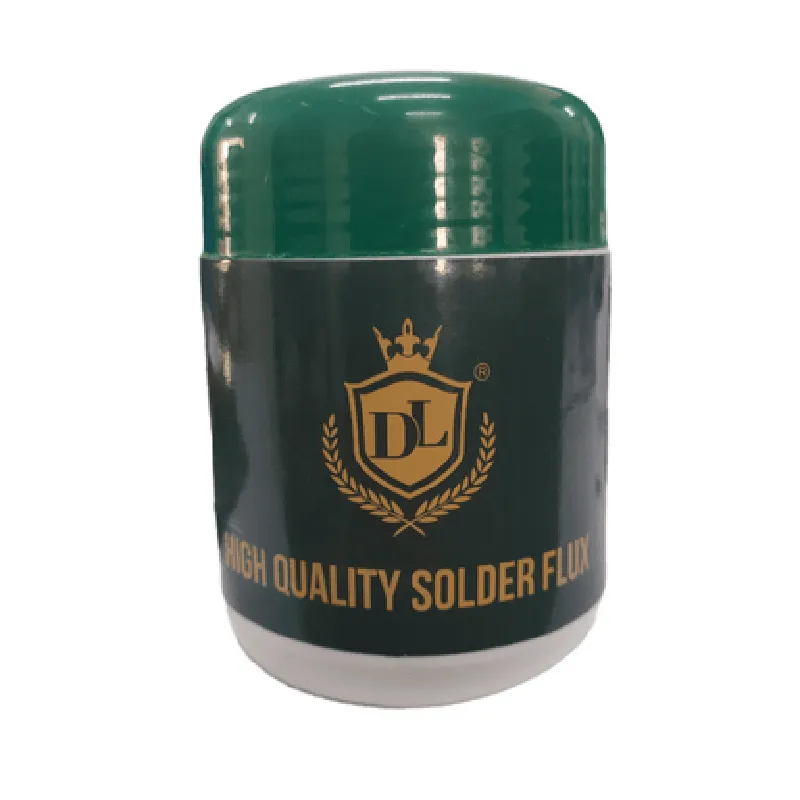
Non-Corrosive Soldering Paste Flux (500g)


Buy Now on Stufin

Component Name

Non-Corrosive Soldering Paste Flux (500g)
Description

The Non-Corrosive Soldering Paste Flux is a type of flux designed for use in soldering applications, particularly in the assembly and repair of electronic circuits and devices. This 500g container of paste flux is a essential tool for any electronics enthusiast, hobbyist, or professional.

Functionality

  • Removing oxidation: The flux helps to remove oxidation and contamination from the surfaces to be soldered, ensuring a strong bond between the solder and the substrates.
  • Reducing surface tension: The flux reduces the surface tension of the molten solder, allowing it to flow more easily and evenly, resulting in a stronger and more reliable joint.
  • Preventing corrosion: The non-corrosive nature of the flux prevents the formation of corrosive compounds that can damage or degrade the solder joint over time.
The primary function of the Non-Corrosive Soldering Paste Flux is to facilitate the soldering process by

Key Features

  • Non-Corrosive: The flux is specifically designed to be non-corrosive, making it suitable for use in a wide range of applications, including those involving sensitive electronics.
  • High-Quality Formula: The flux has a high-quality formula that ensures excellent soldering performance, even at high temperatures.
  • Long Shelf Life: The flux has a long shelf life, making it a convenient and cost-effective option for users.
  • Easy to Apply: The paste flux is easy to apply, either by hand or using a stencil, allowing for precise control over the amount of flux used.
  • Wide Operating Temperature Range: The flux is suitable for use over a wide operating temperature range, making it suitable for a variety of soldering applications.
  • 500g Container: The flux is supplied in a 500g container, providing a generous amount of flux for multiple soldering projects.
  • RoHS Compliant: The flux is RoHS compliant, making it suitable for use in electronic assemblies that require RoHS compliance.
  • Low Residue: The flux leaves a low residue, reducing the risk of contamination and making it easier to clean up after soldering.

Typical Applications

  • Electronic assembly and repair
  • Soldering of through-hole and surface-mount components
  • Wire soldering and desoldering
  • PCB repair and rework
  • Jewelry making and other crafts

Safety Precautions

  • Always use the flux in a well-ventilated area to avoid inhalation of fumes.
  • Avoid getting the flux on skin or eyes, as it may cause irritation. Wash thoroughly with soap and water in case of accidental contact.
  • Follow proper soldering techniques and safety guidelines to avoid overheating or burning the flux.

By using the Non-Corrosive Soldering Paste Flux (500g), you can ensure reliable and efficient soldering results, while also protecting your electronics from corrosion and damage.

Pin Configuration

  • I apologize, but the Non-Corrosive Soldering Paste Flux (500g) is not an electronic component with pins. It is a type of soldering flux, a substance used to facilitate the soldering process by removing oxidation and promoting the flow of solder.
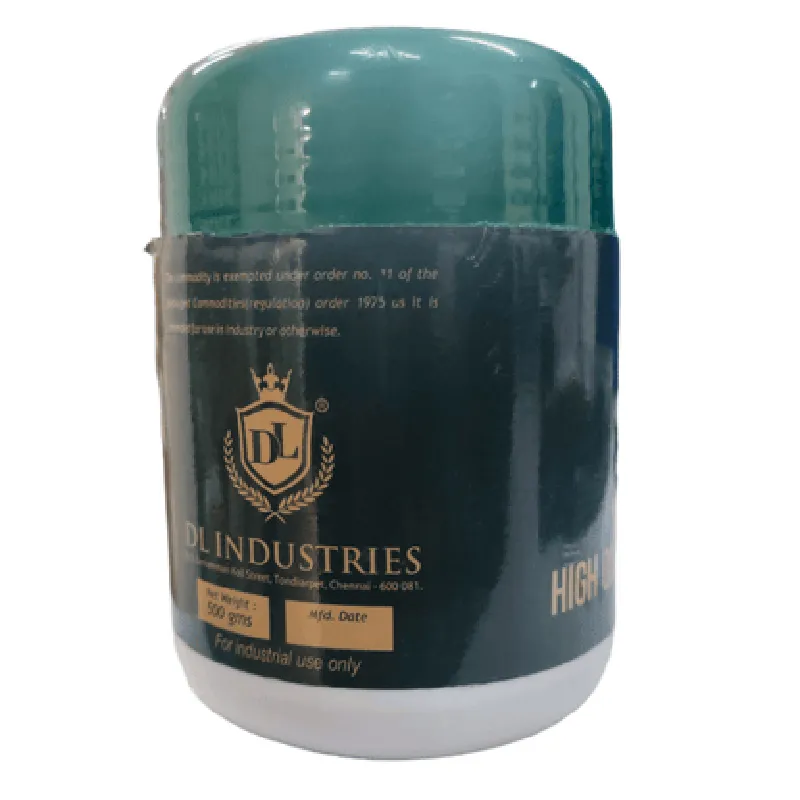
  • As such, it does not have pins that need to be connected. The flux is typically applied to the joint to be soldered, and then the solder is melted and formed into a strong bond.
  • If you are looking for documentation on how to use this soldering flux, here is a general guide:
  • Using the Non-Corrosive Soldering Paste Flux (500g)
  • 1. Apply the flux: Using a small brush or applicator, apply a small amount of the soldering flux to the joint to be soldered. Be sure to follow the manufacturer's instructions for the recommended amount to use.
  • 2. Prepare the joint: Ensure the joint is clean and free of oxidation. If necessary, use a wire brush or other tool to remove any dirt, grime, or oxidation from the surface.
  • 3. Heat the joint: Apply heat to the joint using a soldering iron or other heat source. The ideal temperature will depend on the type of solder being used.
  • 4. Add solder: Once the flux has melted and the joint is at the correct temperature, add the solder to the joint. The solder should flow smoothly and easily into the joint.
  • 5. Remove excess flux: After the solder has cooled and solidified, use a brush or cloth to remove any excess flux from the surrounding area.
  • Again, I apologize for any confusion, but the Non-Corrosive Soldering Paste Flux (500g) does not have pins that need to be connected. If you have any further questions or concerns, please let me know.

Code Examples

Non-Corrosive Soldering Paste Flux (500g) Documentation
Overview
The Non-Corrosive Soldering Paste Flux is a high-quality, lead-free soldering flux designed for electronics assembly and repair. This 500g tin provides a generous supply of flux for a wide range of soldering applications. The non-corrosive formula ensures reliable and long-lasting joints, making it suitable for use in IoT projects, prototyping, and production environments.
Properties
High-quality, lead-free soldering flux
 Non-corrosive formula for reliable and long-lasting joints
 500g tin for extended use
 Suitable for electronics assembly, repair, and IoT projects
Usage Guidelines
1. Apply a small amount of flux to the joint area using a brush or dispenser.
2. Place the components to be soldered in place.
3. Apply heat using a soldering iron or torch, ensuring the flux is fully activated.
4. Remove excess flux using a cleaning solvent and soft brush.
Code Examples
Example 1: Simple Soldering with Arduino
In this example, we'll demonstrate how to use the Non-Corrosive Soldering Paste Flux to connect a temperature sensor to an Arduino board.
Hardware Requirements:
Arduino Board (e.g., Uno or Nano)
 Temperature Sensor (e.g., DS18B20)
 Jumper Wires
 Non-Corrosive Soldering Paste Flux (500g)
Code:
```c
#include <OneWire.h>
#include <DallasTemperature.h>
#define TEMP_PIN 2 // Pin for temperature sensor
OneWire oneWire(TEMP_PIN);
DallasTemperature tempSensor(&oneWire);
void setup() {
  Serial.begin(9600);
  tempSensor.begin();
}
void loop() {
  float temperature = tempSensor.getTempCByIndex(0);
  Serial.print("Temperature: ");
  Serial.print(temperature);
  Serial.println("C");
  delay(1000);
}
```
Soldering:
Apply a small amount of Non-Corrosive Soldering Paste Flux to the temperature sensor pins and the corresponding Arduino pins. Solder the pins together using a soldering iron, ensuring a strong and reliable connection.
Example 2: IoT Weather Station with ESP8266
In this example, we'll demonstrate how to use the Non-Corrosive Soldering Paste Flux to connect a weather station module to an ESP8266 microcontroller.
Hardware Requirements:
ESP8266 Board (e.g., ESP-12E)
 Weather Station Module (e.g., BME280)
 Jumper Wires
 Non-Corrosive Soldering Paste Flux (500g)
Code:
```c
#include <WiFi.h>
#include <BME280.h>
#define BME_SCK 13
#define BME_MISO 12
#define BME_MOSI 11
#define BME_CS 10
BME280 bme;
void setup() {
  Serial.begin(9600);
  bme.begin(BME_CS, BME_MOSI, BME_MISO, BME_SCK);
  WiFi.begin("your_wifi_ssid", "your_wifi_password");
  while (WiFi.status() != WL_CONNECTED) {
    delay(1000);
    Serial.println("Connecting to WiFi...");
  }
  Serial.println("Connected to WiFi");
}
void loop() {
  float temperature = bme.readTemperature();
  float humidity = bme.readHumidity();
  float pressure = bme.readPressure();
  
  Serial.print("Temperature: ");
  Serial.print(temperature);
  Serial.println("C");
  
  Serial.print("Humidity: ");
  Serial.print(humidity);
  Serial.println("%");
  
  Serial.print("Pressure: ");
  Serial.print(pressure);
  Serial.println("hPa");
  
  delay(1000);
}
```
Soldering:
Apply a small amount of Non-Corrosive Soldering Paste Flux to the weather station module pins and the corresponding ESP8266 pins. Solder the pins together using a soldering iron, ensuring a strong and reliable connection.
By following these examples and guidelines, you can effectively use the Non-Corrosive Soldering Paste Flux (500g) in your IoT projects, ensuring reliable and long-lasting connections.