Soldron Soldering and Desoldering Flux (10g)


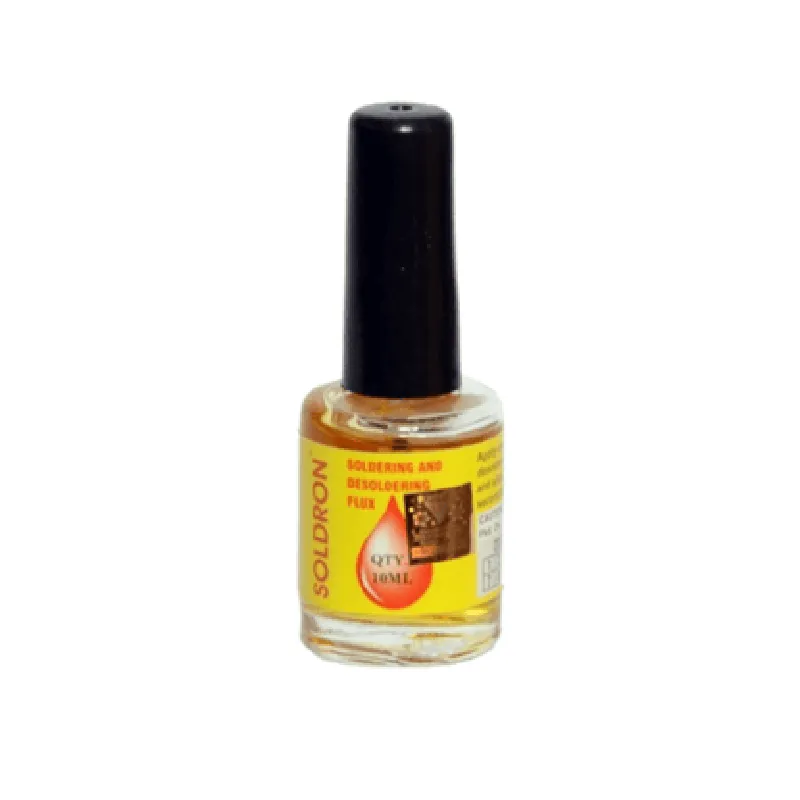
Soldron Soldering and Desoldering Flux (10g)
The Soldron Soldering and Desoldering Flux is a high-quality, non-corrosive, and non-conductive flux paste designed for soldering and desoldering applications in electronics, electrical, and IoT projects. This 10g flux paste is a vital component in ensuring strong, reliable bonds between components and PCBs (Printed Circuit Boards) while preventing oxidation and promoting efficient heat transfer.
The Soldron Soldering and Desoldering Flux comes in a 10g syringe or jar, making it easy to store and transport. The flux should be stored in a cool, dry place, away from direct sunlight and heat sources.
| The Soldron Soldering and Desoldering Flux is suitable for various applications, including |
By using the Soldron Soldering and Desoldering Flux, users can ensure strong, reliable bonds between components and PCBs, reducing the risk of errors and defects in their projects.
Soldron Soldering and Desoldering Flux (10g) DocumentationOverviewThe Soldron Soldering and Desoldering Flux (10g) is a high-quality, lead-free flux designed for use in soldering and desoldering applications. It is suitable for a wide range of electronics projects, from prototyping to production. This flux is ideal for use with surface-mount devices (SMDs), through-hole components, and wire bonding.Key FeaturesLead-free and environmentally friendly
High-quality, non-corrosive flux
Suitable for soldering and desoldering applications
Ideal for use with SMDs, through-hole components, and wire bonding
10g container sizeCode ExamplesThe following code examples demonstrate how to use the Soldron Soldering and Desoldering Flux (10g) in various contexts:Example 1: Soldering an SMD Component using ArduinoIn this example, we will use the Soldron Soldering and Desoldering Flux (10g) to solder an SMD LED to an Arduino board.Equipment Needed:Arduino board
SMD LED
Soldron Soldering and Desoldering Flux (10g)
Soldering iron and wireCode:
```c++
// No code required, as this is a soldering example
```
Soldering Steps:1. Apply a small amount of Soldron Soldering and Desoldering Flux (10g) to the SMD LED pads on the Arduino board.
2. Place the SMD LED onto the pads, ensuring correct orientation.
3. Use a soldering iron to heat the flux and solder the LED in place.
4. Remove excess flux with a flux remover or cotton swab.Example 2: Desoldering a Through-Hole Component using Python (with PySerial)In this example, we will use the Soldron Soldering and Desoldering Flux (10g) to desolder a through-hole component from a custom PCB.Equipment Needed:Custom PCB with through-hole component
Soldron Soldering and Desoldering Flux (10g)
Desoldering wick or sucker
Python with PySerial libraryCode:
```python
import serial# Initialize serial communication with the PCB
ser = serial.Serial('COM3', 9600, timeout=1)# Send a command to the PCB to prepare for desoldering
ser.write(b'desolder
')# Apply Soldron Soldering and Desoldering Flux (10g) to the component leads
# Use a desoldering wick or sucker to remove excess solder# Remove the component from the PCB
print("Component removed successfully!")
```
Desoldering Steps:1. Apply a small amount of Soldron Soldering and Desoldering Flux (10g) to the component leads on the PCB.
2. Use a desoldering wick or sucker to remove excess solder from the leads.
3. Gently rock the component back and forth while applying heat from a soldering iron to loosen the remaining solder.
4. Remove the component from the PCB.Example 3: Wire Bonding using the Soldron Soldering and Desoldering Flux (10g)In this example, we will use the Soldron Soldering and Desoldering Flux (10g) to bond wires to a wire bondable chip.Equipment Needed:Wire bondable chip
Soldron Soldering and Desoldering Flux (10g)
Wire bonder or ultrasonic wedge bonder
Aluminum or gold wireCode:
```python
# No code required, as this is a wire bonding example
```
Wire Bonding Steps:1. Apply a small amount of Soldron Soldering and Desoldering Flux (10g) to the wire bonding pads on the chip.
2. Use a wire bonder or ultrasonic wedge bonder to bond the aluminum or gold wire to the pads.
3. Apply gentle heat to the bond area to activate the flux and form a strong bond.
4. Inspect the bond area to ensure a secure connection.ConclusionThe Soldron Soldering and Desoldering Flux (10g) is a versatile and high-quality flux suitable for a wide range of soldering and desoldering applications. The examples provided demonstrate its use in various contexts, including soldering SMD components, desoldering through-hole components, and wire bonding.