Non-Corrosive Soldering Paste Flux (500g)


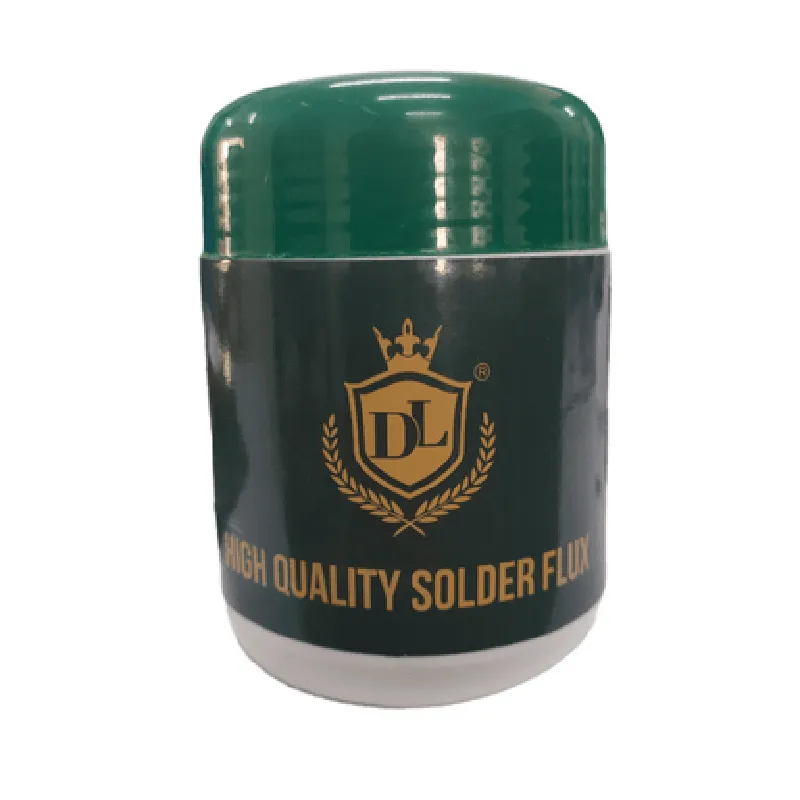
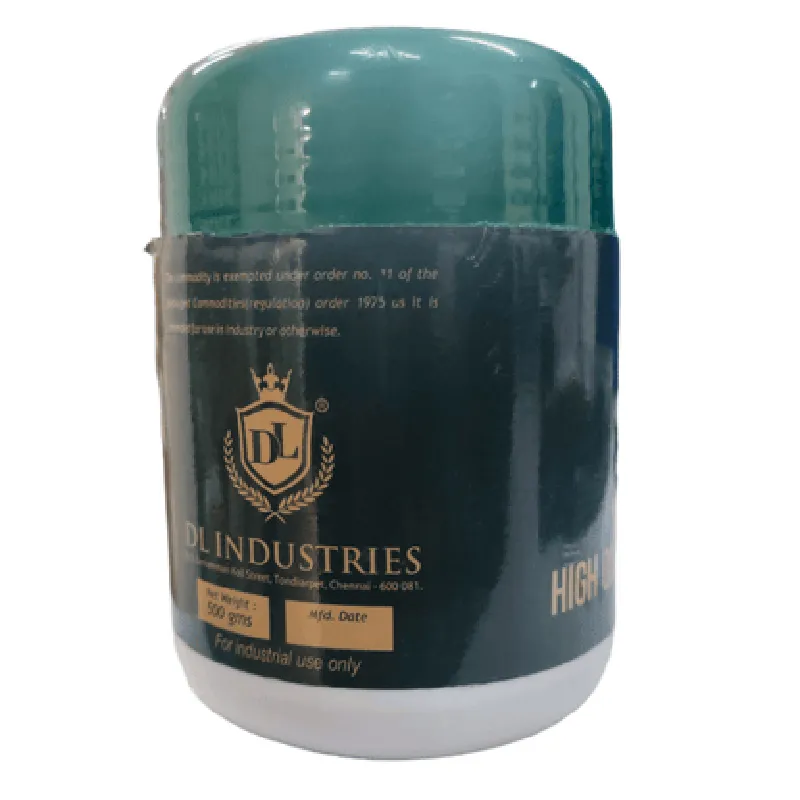
Non-Corrosive Soldering Paste Flux (500g)
The Non-Corrosive Soldering Paste Flux is a type of flux designed for use in soldering applications, particularly in the assembly and repair of electronic circuits and devices. This 500g container of paste flux is a essential tool for any electronics enthusiast, hobbyist, or professional.
| The primary function of the Non-Corrosive Soldering Paste Flux is to facilitate the soldering process by |
By using the Non-Corrosive Soldering Paste Flux (500g), you can ensure reliable and efficient soldering results, while also protecting your electronics from corrosion and damage.
Non-Corrosive Soldering Paste Flux (500g) DocumentationOverviewThe Non-Corrosive Soldering Paste Flux is a high-quality, lead-free soldering flux designed for electronics assembly and repair. This 500g tin provides a generous supply of flux for a wide range of soldering applications. The non-corrosive formula ensures reliable and long-lasting joints, making it suitable for use in IoT projects, prototyping, and production environments.PropertiesHigh-quality, lead-free soldering flux
Non-corrosive formula for reliable and long-lasting joints
500g tin for extended use
Suitable for electronics assembly, repair, and IoT projectsUsage Guidelines1. Apply a small amount of flux to the joint area using a brush or dispenser.
2. Place the components to be soldered in place.
3. Apply heat using a soldering iron or torch, ensuring the flux is fully activated.
4. Remove excess flux using a cleaning solvent and soft brush.Code ExamplesExample 1: Simple Soldering with ArduinoIn this example, we'll demonstrate how to use the Non-Corrosive Soldering Paste Flux to connect a temperature sensor to an Arduino board.Hardware Requirements:Arduino Board (e.g., Uno or Nano)
Temperature Sensor (e.g., DS18B20)
Jumper Wires
Non-Corrosive Soldering Paste Flux (500g)Code:
```c
#include <OneWire.h>
#include <DallasTemperature.h>#define TEMP_PIN 2 // Pin for temperature sensorOneWire oneWire(TEMP_PIN);
DallasTemperature tempSensor(&oneWire);void setup() {
Serial.begin(9600);
tempSensor.begin();
}void loop() {
float temperature = tempSensor.getTempCByIndex(0);
Serial.print("Temperature: ");
Serial.print(temperature);
Serial.println("C");
delay(1000);
}
```
Soldering:Apply a small amount of Non-Corrosive Soldering Paste Flux to the temperature sensor pins and the corresponding Arduino pins. Solder the pins together using a soldering iron, ensuring a strong and reliable connection.Example 2: IoT Weather Station with ESP8266In this example, we'll demonstrate how to use the Non-Corrosive Soldering Paste Flux to connect a weather station module to an ESP8266 microcontroller.Hardware Requirements:ESP8266 Board (e.g., ESP-12E)
Weather Station Module (e.g., BME280)
Jumper Wires
Non-Corrosive Soldering Paste Flux (500g)Code:
```c
#include <WiFi.h>
#include <BME280.h>#define BME_SCK 13
#define BME_MISO 12
#define BME_MOSI 11
#define BME_CS 10BME280 bme;void setup() {
Serial.begin(9600);
bme.begin(BME_CS, BME_MOSI, BME_MISO, BME_SCK);
WiFi.begin("your_wifi_ssid", "your_wifi_password");
while (WiFi.status() != WL_CONNECTED) {
delay(1000);
Serial.println("Connecting to WiFi...");
}
Serial.println("Connected to WiFi");
}void loop() {
float temperature = bme.readTemperature();
float humidity = bme.readHumidity();
float pressure = bme.readPressure();
Serial.print("Temperature: ");
Serial.print(temperature);
Serial.println("C");
Serial.print("Humidity: ");
Serial.print(humidity);
Serial.println("%");
Serial.print("Pressure: ");
Serial.print(pressure);
Serial.println("hPa");
delay(1000);
}
```
Soldering:Apply a small amount of Non-Corrosive Soldering Paste Flux to the weather station module pins and the corresponding ESP8266 pins. Solder the pins together using a soldering iron, ensuring a strong and reliable connection.By following these examples and guidelines, you can effectively use the Non-Corrosive Soldering Paste Flux (500g) in your IoT projects, ensuring reliable and long-lasting connections.